Olympic Rainforest Guide

Santosh Jha
| 10-10-2026
 · Travel team
Located on Washington’s Olympic Peninsula in the United States, Olympic National Park features temperate rainforests, mountain landscapes, winding rivers, and a spectacular Pacific coastline.
Visitors can explore moss-covered forests, photograph waterfalls, enjoy lakeside walks, and observe native wildlife.
Because attractions are spread across a large region, planning your route helps you make the most of your visit.
Olympic National Park
Explore the Hoh Rain Forest
The Hoh Rain Forest is renowned for its dense vegetation, towering conifers, moss-covered maples, and lush ferns. Frequent rainfall sustains this distinctive ecosystem, creating an exceptional setting for nature walks and photography.
The Hall of Mosses Trail is an approximately 0.8-mile loop through mature forest. The Spruce Nature Trail offers a longer walk of approximately 1.2 miles through woodland near the Hoh River.
Arrive early for a quieter experience, and take time to appreciate the intricate plant life and filtered sunlight beneath the canopy.
Discover the Quinault Rain Forest
The Quinault Rain Forest surrounds scenic Lake Quinault, combining woodland trails, lakeside views, and peaceful driving routes.
The Maple Glade Trail provides a short walk through a lush maple forest. Along the lake, visitors can enjoy photography, leisurely walks, and views of the surrounding mountains reflected in the water.
Nearby accommodation and dining options make this area a convenient base for exploring the southwestern peninsula.
Walk to Sol Duc Falls
Sol Duc Falls is a picturesque waterfall where several streams descend through a narrow rocky gorge surrounded by dense forest.
The trail from the parking area is approximately 0.8 miles each way. Spring often brings impressive water flow, while autumn adds seasonal colour to the surrounding landscape.
Combine the walk with a scenic drive through the Sol Duc Valley. Wear suitable footwear and allow time to enjoy the waterfall and surrounding scenery.
Explore the Bogachiel Rainforest
The Bogachiel area offers another opportunity to experience the peninsula’s temperate rainforest. Towering conifers, riverside scenery, and dense vegetation create an inviting setting for hiking and nature photography.
Depending on trail access, visitors can observe native plants and watch for Roosevelt elk in their natural habitat.
Check current access information before departure, as routes and facilities vary across the area.
Experience the Queets Valley
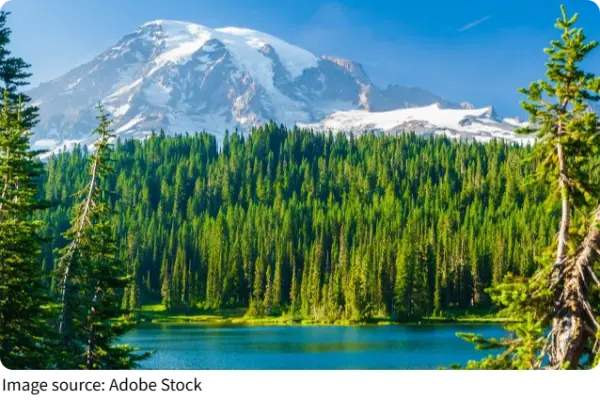
The Queets Valley offers a quieter rainforest experience, featuring a winding river, extensive woodland, and rich native vegetation.
Depending on current access, visitors can enjoy hiking, river photography, and nature observation. Facilities are limited, so bring drinking water, food, suitable clothing, and navigation essentials.
Check road and trail conditions before travelling, and allow sufficient time to reach this remote part of the peninsula.
Visit Madison Falls and the Quinault Big Tree
Near the Elwha Valley, Madison Falls is an accessible waterfall reached by a paved path of approximately 0.1 mile each way. Its short approach makes it a convenient addition to a day of sightseeing.
Near Lake Quinault, the Quinault Big Sitka Spruce showcases the remarkable scale of the region’s native trees and provides another worthwhile stop for nature enthusiasts.
These attractions are in different parts of the peninsula, so plan them as separate excursions or include them in a longer road trip.
How to Get There
Driving offers the greatest flexibility for exploring Olympic National Park, as many attractions are separated by considerable distances.
- By car: From Seattle, allow several hours to reach the peninsula, depending on your destination and route. Rental cars may cost approximately $40–$100 per day, with an estimated $30–$60 for round-trip fuel.
- By public transport: Bus journeys from Seattle to communities on the peninsula may cost approximately $20–$50 per person one way. Additional transport may be necessary to reach trailheads.
- By bicycle: Rentals may cost approximately $30–$70 per day. Cycling is best suited to travellers comfortable with long distances and changing weather.
- Park entrance: Budget approximately $30 per private vehicle for a seven-day pass or $15 per person entering on foot or by bicycle, subject to applicable conditions. Visitors under 16 generally enter free.
These prices are estimates. Check current entrance fees, transport schedules, rental rates, and road access before departure.
Where to Stay
Accommodation ranges from campgrounds and cabins to lakeside lodges, motels, and hotels in nearby communities.
- Hoh Rain Forest: The campground provides convenient access to forest trails. Campsites may cost around $24 per night.
- Lake Quinault: Nearby cabins and lodges offer convenient access to the lake and rainforest walks. Budget approximately $120–$300 per night for a room.
- Forks: A practical base for exploring the western peninsula and the Hoh Rain Forest, with motels and guest accommodation costing approximately $100–$250 per night.
- Port Angeles: A useful base for exploring northern parts of the park, with hotels and guest accommodation costing approximately $120–$300 per night.
Prices vary by season, accommodation type, and availability. Reserve early for summer visits and choose a base that suits your planned route.
Local Food and Dining
Restaurants, cafés, and casual dining establishments in nearby communities provide options for meals throughout your trip.
Allow approximately $12–$20 per person for a casual meal or $20–$35 for a fuller restaurant meal, excluding additional charges.
For remote excursions, pack lunch, snacks, and drinking water. Dining and fuel services are limited near some trailheads, so arrange supplies before leaving nearby communities. Check opening hours when travelling through smaller towns.
Best Time to Visit
Summer, especially July through September, is a popular period for exploring trails and combining hikes with scenic drives. Starting early helps you enjoy major attractions while allowing enough time for travel between locations.
Spring brings fresh greenery and flowing waterfalls, while autumn adds seasonal colour to parts of the forest. Rainfall is possible throughout the year, so waterproof clothing is useful in every season.
Conditions vary between rainforest valleys, mountain areas, and the coast. Check forecasts and trail updates before setting out.
Practical Travel Tips
- Wear waterproof footwear and bring a rain jacket.
- Carry drinking water, snacks, and extra clothing layers.
- Check road access and trail conditions before departure.
- Start early at popular trailheads during summer.
- Follow marked trails and observe wildlife from a respectful distance.
- Allow enough time for driving between attractions.
- Follow campsite guidance for food storage.
- Bring a camera or binoculars for nature observation.
- Select trails that suit your experience and available time.
- Keep your itinerary flexible to accommodate changing weather.
Discover the Olympic Peninsula
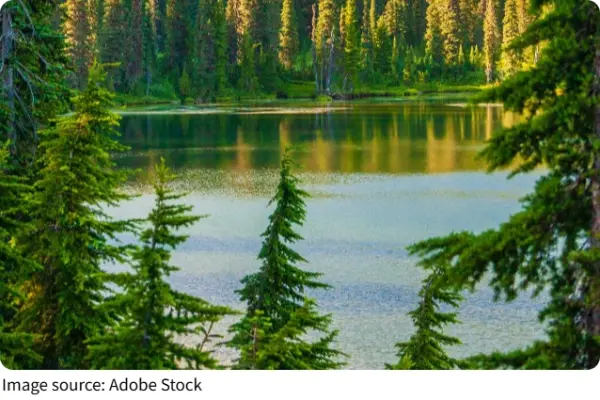
Olympic National Park brings together lush rainforests, dramatic waterfalls, tranquil lakes, and remarkable native trees. Exploring the Hoh Rain Forest, walking to Sol Duc Falls, and enjoying Lake Quinault reveal the variety of landscapes found across the peninsula.
Choose attractions that match your interests, select convenient accommodation, and allow sufficient time for each excursion. With a well-planned route, you can enjoy a memorable nature escape in one of Washington’s most distinctive outdoor destinations.