Montserrat’s Wild Side

Samir
| 24-09-2026
 · Travel team
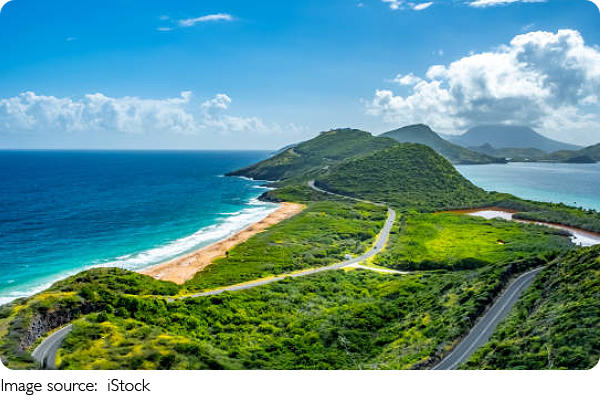
Imagine a Caribbean island where there are no traffic lights, beaches are rarely crowded and rainforest trails lead towards spectacular volcanic landscapes. Montserrat, a British Overseas Territory with fewer than 5,000 residents, offers exactly that.
Known as the Emerald Isle of the Caribbean, it combines Irish cultural connections, dramatic natural scenery and a remarkable history of recovery following devastating volcanic eruptions.
When To Visit Montserrat
Montserrat is warm throughout the year, although tropical storms are possible between June and October.
March brings the island’s distinctive St Patrick’s Festival, which commemorates an attempted uprising by enslaved people in 1768. July’s Calabash Festival celebrates local crafts, food and storytelling, while November hosts a literary festival.
For a relaxed holiday, allow at least three nights. Five days provides more flexibility for hiking, beaches and cultural discoveries.
Discover Beaches And Volcanoes
Rendezvous Bay is Montserrat’s only white-sand beach. Accessible by kayak or a steep walking trail, it offers exceptionally peaceful swimming and snorkelling.
Woodlands Beach has darker volcanic sand, while Little Bay provides convenient access to restaurants and coastal activities.
The island’s most extraordinary attraction is the Soufrière Hills Volcano. Eruptions beginning in 1995 devastated Plymouth, the former capital, leaving buildings partially buried beneath volcanic debris.
Today, approved guided excursions offer an extraordinary perspective on the abandoned city. A guided Exclusion Zone tour costs approximately €79, while a helicopter excursion costs around €307.
Explore Forests And Local History
Montserrat’s Centre Hills protect remarkable wildlife, including the endemic Montserrat Oriole. Hiking trails wind through dense vegetation, offering opportunities to encounter tropical birds and discover the island’s surviving rainforest.
History enthusiasts can visit the National Museum in Little Bay, where admission costs approximately €4–9.
The Montserrat National Trust and Botanical Gardens in Salem provide another rewarding stop, with medicinal plants, native vegetation and locally made crafts.
Music enthusiasts should visit Hilltop Coffee House, which displays memorabilia associated with the island’s famous AIR Studios.
Caribbean
Accommodation And Daily Costs
Montserrat offers intimate guesthouses, apartments and boutique accommodation rather than enormous resort complexes.
Guesthouse rooms generally cost approximately €44–105 per night, while higher-end hotel rooms start around €153.
Self-catering apartments offer another option, with selected one-bedroom properties starting near €70 per night.
For travellers sharing accommodation, a practical estimated daily budget is €90–140 per person, allowing for meals, local transport and occasional sightseeing. Guided volcanic excursions require additional spending.
Getting Around The Island
Most visitors arrive via Antigua, approximately 20 minutes away by air. Flights also connect Montserrat with St Maarten.
The island’s ferry service is currently suspended, making air travel the main scheduled option.
Colourful minibuses travel along the main road, with fares starting around €1.10. Taxis and rental cars provide greater flexibility, although visitors hiring a vehicle need a local driving permit costing approximately €16.
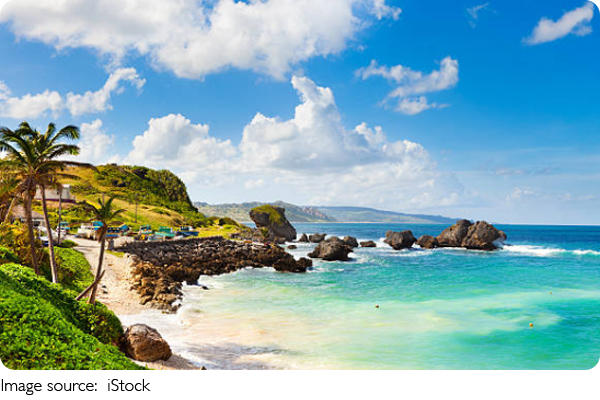
Montserrat rewards travellers who prefer discovery to crowded resorts. Its volcanic history, welcoming communities and remarkable natural beauty create a Caribbean experience where the journey feels personal, unhurried and genuinely memorable.