September Sun Escapes

Malcolm
| 24-09-2026
 · Travel team
September offers a rare combination: much of the Mediterranean retains its summer warmth, while the busiest holiday crowds begin to disappear. The sea often remains warmer than it was in June, making early autumn particularly attractive for swimming, coastal adventures and sightseeing.
The biggest savings generally emerge after mid-September, when European school holidays have ended and accommodation demand begins to ease.
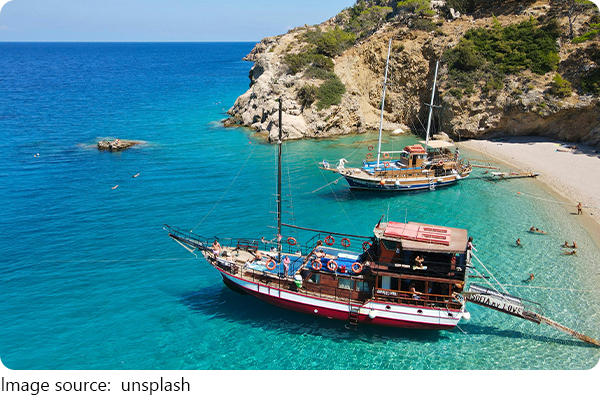
Rhodes, Greece: Warm Seas And Ancient Streets
Rhodes combines excellent swimming conditions with impressive historical attractions. September daytime temperatures average 28.2°C, while the sea remains exceptionally warm at 27.8°C. The island experiences just 1.5 rainy days on average.
Explore the medieval Old Town, spend an afternoon on the beaches or visit the Palace of the Grand Master, where adults admission costs €20. Three to five days provide enough time to combine cultural discoveries with a relaxing coastal holiday.
Paphos, Cyprus: Sunshine And Ancient History
Paphos offers particularly reliable September sunshine, averaging 29.4°C with approximately one rainy day. Sea temperatures hover around 27.3°C, allowing visitors to enjoy swimming well into autumn.
The Archaeological Park of Kato Paphos is a highlight, featuring elaborate Roman mosaics and ancient monuments. Admission costs €4.50, while the nearby Tombs of the Kings requires an additional €2.50.
Four or five days are ideal for combining historical attractions with coastal walks and beach visits.
Paphos, Cyprus
Crete, Greece: A Longer Island Adventure
Crete is particularly suitable for travellers who enjoy exploring rather than staying in one resort. With average September temperatures of 26.4°C and sea temperatures around 25.4°C, the island remains inviting for outdoor adventures. Heraklion provides a convenient starting point. The nearby Palace of Knossos costs €20 for standard admission, making it an accessible introduction to the island's ancient history.
Renting a car is useful for reaching remote beaches and mountain villages. Allow at least five to seven days to appreciate Crete's varied landscapes.
Mallorca, Spain: Beaches Beyond Summer
Mallorca becomes more comfortable for exploring as average daytime temperatures fall to 27.9°C. The Mediterranean remains warm at approximately 26.7°C, although September can occasionally bring thunderstorms. Palma combines historic architecture with excellent transport connections. Standard admission to Mallorca Cathedral costs €11, or €16 with an audio guide.
Beyond the capital, coastal villages, mountain trails and quieter beaches make the island attractive for a four- to five-day escape.
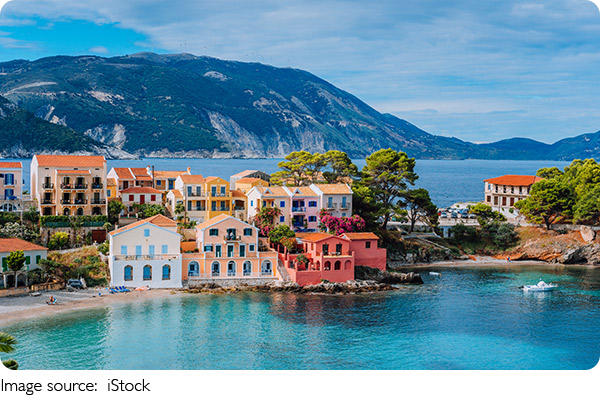
Dubrovnik, Croatia: The Adriatic In Autumn
September brings more comfortable sightseeing conditions to Croatia's Adriatic coast. Split averages 25.1°C, while the sea remains warm enough for swimming at approximately 24.2°C. Dubrovnik's historic walls offer spectacular coastal views. Adults admission during September costs €40 and includes access to Fort Lovrijenac.
Spend three or four days exploring the Old Town, visiting nearby islands and enjoying the coastline before seasonal ferry services become less frequent.
When To Find Better Prices
September's main advantage is the opportunity to combine summer-like conditions with reduced demand. Accommodation prices often become more attractive after 15 September, although the exact savings depend on the destination and departure dates.
For travellers prioritising warm water, Rhodes, Cyprus and Crete offer particularly appealing conditions. Mallorca and Croatia, meanwhile, combine beach holidays with cultural attractions and comfortable temperatures.
Choosing accommodation outside the busiest resort centres and comparing midweek departures can help make an early-autumn holiday more affordable without sacrificing the experiences that make summer travel so enjoyable.