Vík's Hidden Seven

Yuna
| 23-09-2026
 · Travel team
Hello, Lykkers! Vík í Mýrdal is the kind of place that makes you pull over before you even reach the village.
Perched on Iceland's South Coast, about a two-and-a-half-hour drive from Reykjavík, this tiny settlement of around 600 people sits surrounded by black sand, towering cliffs, and the restless North Atlantic.
Most travelers use it as a pit stop on the Ring Road, but the area around Vík deserves far more than a quick photo break. Here are seven must-see places, with practical tips to help you plan.
1. Reynisfjara Black Sand Beach
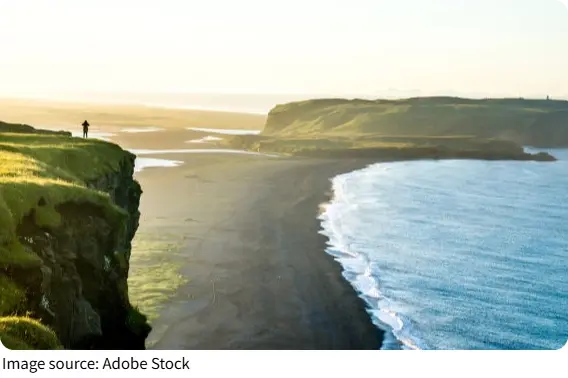
Just a ten-minute drive from Vík, Reynisfjara is Iceland's most famous black sand beach. The volcanic sand is made of tiny basalt grains, creating a striking contrast against the white waves. Offshore, the Reynisdrangar sea stacks rise from the ocean—local legend says they are trolls turned to stone by sunlight.
But this beach demands respect. Sneaker waves can surge far up the shore without warning, and the currents are deadly. Never turn your back on the ocean, and stay well back from the water's edge. The basalt columns and Hálsanefshellir Cave may be closed if warning lights are red, so check conditions before you go. There is no entrance fee.
2. Dyrhólaey Peninsula
West of Vík, this 120-meter promontory offers some of the best panoramic views on the South Coast. A massive natural arch cuts through the rock, and on clear days you can see west along the black sand coastline, east to Reynisfjara, and inland to Mýrdalsjökull glacier.
Between late April and mid-August, the cliffs here are one of the most reliable spots in Iceland to see puffins nesting. Note that the upper area near the lighthouse closes during nesting season, usually from mid-May to late June, with access limited to 9:00–19:00. Parking costs around US$7 and is paid via the PARKA app—download it before you arrive, as signal can be patchy.
3. Hálsanefshellir Cave and the Basalt Columns
At the eastern end of Reynisfjara, Hálsanefshellir Cave is framed by hexagonal basalt columns that rise in neat, stepped rows. These formed when lava cooled and contracted over millennia.
Important update: recent erosion has pushed the shoreline back so far that the cave now sits partly in the sea, and visitors can no longer enter it. You can still admire it from a safe distance. Access depends on tide and warning lights—never approach if conditions look risky. There is no fee to view it from the beach.
Hálsanefshellir Cave
4. Mýrdalsjökull Glacier
North of Vík, Mýrdalsjökull is Iceland's fourth-largest glacier, covering the active volcano Katla. The glacier's ice cap stretches across the landscape and is visible from several points around the village on clear days. Guided snowmobile tours and glacier walks operate from the Vík area, giving visitors a chance to experience the ice up close.
Tours typically last two to four hours, and prices vary by operator and season. This is a serious glacier environment, so going with a guide is the safe and practical choice. Check availability in advance, especially during summer, and dress for cold, changing conditions.
5. Yoda Cave (Gýgjagjá)
About fifteen minutes east of Vík, a cave entrance on Hjörleifshöfði mountain has become famous for resembling the silhouette of Yoda from Star Wars. The cave was also a filming location for Rogue One: A Star Wars Story.
The cave is open year-round and free to visit. The surrounding area includes hiking trails through black sand plains and lava fields. It is an easy stop if you are driving the Ring Road, though the mountain itself offers more serious hiking if you have time.
Gígjagjá
6. Sólheimajökull Glacier
About thirty minutes west of Vík, Sólheimajökull is one of Iceland's most accessible glaciers. Guided hikes let you walk on the ice with crampons, exploring crevasses and ice formations without technical climbing experience.
Glacier hikes typically last around three hours, including gear fitting and safety briefing. Prices start from around US$110 per person, and tours run year-round, though access can change daily due to melting and flooding. This is a good option if you want to experience a glacier up close without committing to a full-day expedition.
7. Vík Village Itself
Do not rush through the village. Vík is the only fully equipped settlement on Iceland's South Coast, with restaurants, a supermarket, gas stations, and accommodation. It is a practical base for exploring the region and a welcome stop after a long drive.
Plan to spend two to three hours here if you want a proper break. Grab snacks at the supermarket near the gas station, or sit down for a meal before continuing east or heading back to Reykjavík.
Final Thoughts
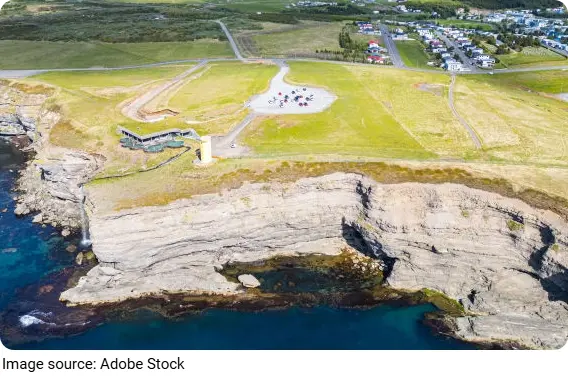
Vík and its surroundings pack an incredible variety into a small area—black sand, sea stacks, puffins, glaciers, and a village that feels like it belongs at the edge of the world. The main investment here is time: give yourself a full day to explore without rushing. Check weather and road conditions before you set out, respect the ocean's power, and let the South Coast unfold at its own pace.