Choosing Your Europe Escape!

Bianca
| 23-09-2026
 · Travel team
Friends, choosing where to go in Europe can be harder than booking the flight. One country may offer ancient ruins and beaches, another dramatic mountains, while another is better suited to museums, food, or a relaxed road trip.
The right choice depends on the season, budget, travel time, and type of experience you want. Here are several European destinations worth considering, with practical details to help turn the idea into a workable trip.
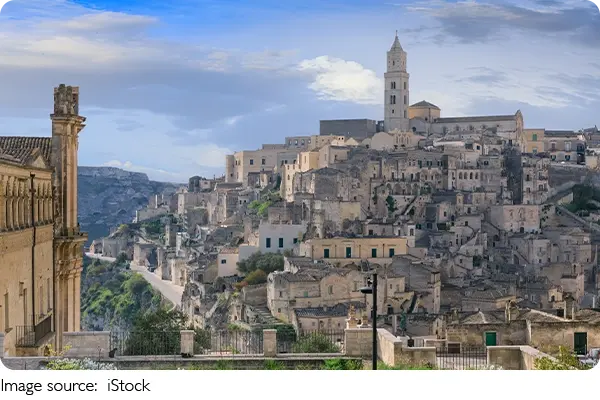
Italy: A Mix of Cities, Coast and History
Italy works well for travelers who want variety without crossing huge distances. Rome, Florence, Venice, Bologna, the Amalfi Coast, and the Dolomites can each provide a very different experience. Spring and early autumn are generally comfortable for sightseeing. Summer brings hotter conditions and heavier visitor numbers, particularly in major cities.
Rome's Fiumicino Airport connects with the city through the Leonardo Express. The journey to Roma Termini takes about 32 minutes and costs roughly $16 one way. The Colosseum, Roman Forum, and Palatine Hill operate from morning into the evening during much of the warmer season. Standard combined admission is approximately $20 to $25, depending on the ticket selected.
Portugal: Coastal Scenery and Historic Cities
Portugal is a convenient choice for travelers who want cities, beaches, historic architecture, and relatively manageable distances. Lisbon and Porto are easy starting points, while the Algarve provides a warmer coastal escape. May, June, September, and October are particularly useful months for exploring. July and August are warmer and busier.
Lisbon Airport is connected with the city by metro. A single journey costs only a few dollars, while taxis usually cost around $15 to $25 to central areas. Many historic neighborhoods are free to explore. Paid attractions such as São Jorge Castle generally cost around $15.
Spain: Cities, Beaches and Regional Culture
Spain offers enough variety for several different trips. Barcelona combines architecture and beaches, Madrid provides museums and urban culture, while Andalusia offers historic cities such as Seville, Córdoba, and Granada. April through June and September through October are comfortable periods for many regions. Southern Spain can become extremely hot during summer.
Barcelona Airport connects with the city through trains, buses, and metro services. Airport transport generally costs around $6 to $15 depending on the service. The Sagrada Família requires a paid ticket, with basic admission generally around $30.
Greece: Ancient Sites and Island Escapes
Greece suits travelers who want a combination of history, swimming, island scenery, and relaxed village life. Athens is a useful starting point before continuing to destinations such as Crete, Naxos, or Rhodes. May, June, September, and early October provide a useful balance of warm weather and more manageable conditions.
Athens International Airport is linked with central Athens by metro, with a one-way airport ticket costing approximately $10. Ferries between Athens-area ports and the islands vary considerably, but travelers should budget around $30 to $80 for many standard routes.
Switzerland: Mountains and Scenic Rail Journeys
Switzerland is especially appealing for travelers interested in alpine landscapes, lakes, hiking, and scenic trains. Lucerne, Interlaken, Zermatt, and the Bernese Oberland are popular bases. June through September is ideal for many hiking routes. January through March is more suitable for snow activities.
Zurich Airport has direct rail connections to several Swiss cities. A train to central Zurich takes roughly 10 to 15 minutes and costs around $7. Mountain transportation can be expensive, although regional passes can reduce the total cost. Hiking trails are generally free.
Lake Bled itself is free to visit. The castle charges approximately $20 for admission, while rowing boats and other activities have separate fees.
Slovenia: A Smaller Country With Big Landscapes
Slovenia is an attractive option for travelers who want mountains, lakes, forests, and historic towns without spending weeks on the road. Ljubljana, Lake Bled, Lake Bohinj, and Triglav National Park can form a compact itinerary. May through September is particularly useful for outdoor activities. Ljubljana Airport is connected with the capital and surrounding destinations by buses and shuttles. Transfers commonly cost around $10 to $20.
When Should You Visit Europe?
Late spring and early autumn are useful choices for many European countries because temperatures are often comfortable and the busiest summer period has passed. Northern destinations can be better in summer when daylight hours are long, while Mediterranean destinations are often more pleasant in spring or September. Always check local conditions before booking.

There is no single European destination that suits every traveler. Before choosing, consider how many days are available, how much time you want to spend traveling between places, and which experiences matter most. A well-matched destination can make a shorter trip feel far more rewarding.