Matterhorn Without the Rush

Daniel
| 09-10-2026
 · Travel team
Many visitors arrive in Zermatt with one goal: seeing the Matterhorn. The mountain certainly deserves its reputation, but the most rewarding visit is not about chasing one famous viewpoint. Zermatt offers a network of mountain railways, lakes, and walking trails that reveal the peak from completely different angles throughout the day.
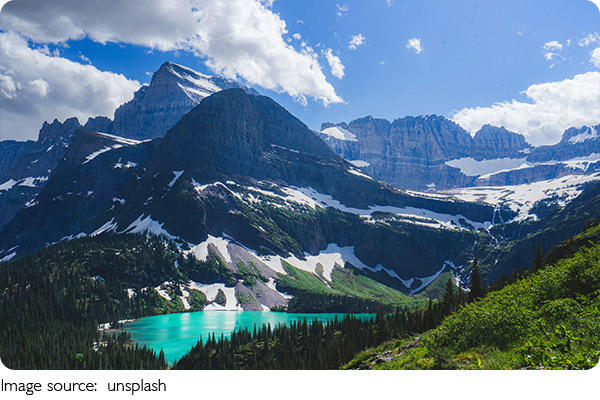
The scene in the photograph—a sharply pointed summit mirrored in still alpine water—is best experienced around the Stellisee area. Spend at least two nights in Zermatt, and let the mountain gradually reveal itself instead of trying to tick off every attraction in a single day.
See the Matterhorn From the Right Places
The Matterhorn rises to 4,478 metres, but reaching the best views does not require mountaineering. Zermatt's lift system allows ordinary visitors to reach high alpine terrain with only moderate walking.
Start with Stellisee in the morning
If one location defines the classic Matterhorn landscape, it is Stellisee. The small alpine lake sits at approximately 2,537 metres and is famous for reflecting the mountain on calm mornings.
Begin by taking the Sunnegga funicular from Zermatt, then continue toward Blauherd by gondola. From Blauherd, the walk to Stellisee is only about 20 minutes on a well-maintained trail suitable for most visitors.
Arriving before 09:00 gives you the best chance of seeing a clear reflection. As mountain winds strengthen later in the morning, the lake surface often becomes less still.
Instead of leaving immediately after taking photographs, spend another 30 to 45 minutes walking around the lake. Small changes in position create surprisingly different views of both the mountain and its reflection.
Carry a light waterproof jacket even on sunny days. At over 2,500 metres, temperatures can feel 10–15°C cooler than in the village below.
Choose one longer walk
Rather than collecting several short viewpoints, dedicate the afternoon to one scenic trail.
The Five Lakes Walk remains one of Zermatt's most satisfying routes. Stretching roughly 9.8 km, it links Stellisee, Grindjisee, Grünsee, Moosjisee and Leisee before descending toward Sunnegga. Most walkers complete it in about 2.5 to 3.5 hours, depending on photography stops.
The route is considered moderate rather than difficult. Elevation changes are manageable, but sturdy walking shoes are recommended because several sections include uneven mountain paths.
Carry around 1.5 litres of water and a packed lunch or snacks. Although mountain restaurants are available elsewhere in the area, having food with you allows greater flexibility without watching the clock.
If the weather deteriorates, shorten the plan rather than forcing the complete route. Alpine conditions can change rapidly, and clouds may temporarily hide the Matterhorn entirely.
Let the Mountain Change Through the Day
One reason the Matterhorn is so memorable is that its appearance shifts constantly as light moves across its steep faces. A good itinerary allows you to experience those changes instead of seeing the mountain only once.
Stay inside Zermatt
Choose accommodation within walking distance of the railway station or the Sunnegga funicular. Zermatt itself is compact, making most hotels convenient for exploring without needing additional transport.
Comfortable mid-range hotels generally cost around CHF 220–350 per night for a double room, while luxury alpine hotels can be considerably higher.
For two travelers sharing accommodation, approximately CHF 500–750 per person provides a practical budget for two nights, local transport, mountain railway tickets, meals and ordinary travel expenses.
Private cars are not permitted inside Zermatt. Visitors arriving by car normally leave their vehicle in Täsch before continuing by shuttle train into the village. Once you arrive, almost everything can be reached on foot or by electric shuttle vehicles.
Finish at Gornergrat
Reserve your second afternoon for Gornergrat instead of trying to combine it with the Five Lakes Walk.
The Gornergrat Railway climbs to 3,089 metres, making it one of Europe's highest open-air cogwheel railways. The journey itself takes about 35 minutes from Zermatt.
From the summit, more than twenty peaks exceeding 4,000 metres become visible on clear days, with the Matterhorn dominating the southern skyline. Unlike Stellisee, where the mountain fills the landscape, Gornergrat reveals its wider alpine setting among glaciers and surrounding summits.
Allow at least two hours for the railway journey, viewpoints and short walks around the summit area.
Late afternoon often provides softer light on the Matterhorn's eastern face, while the return journey offers continuously changing mountain views through large panoramic windows.
Spring, summer and early autumn each provide excellent hiking conditions, but September is particularly attractive. Trails are generally dry, daytime temperatures are comfortable for walking, and visibility is often excellent after cool nights.
The Matterhorn does not need an ambitious schedule to make an impression. One morning beside Stellisee, one longer alpine walk, and one visit to Gornergrat reveal three completely different personalities of the same mountain. By allowing enough time between them, you experience not just Switzerland's most recognizable peak, but the remarkable landscape that surrounds it.