Hoh Rain Forest Walk

Mei
| 09-10-2026
 · Travel team
Deep inside Olympic National Park, the Hoh Rain Forest feels completely different from the alpine scenery or Pacific beaches found elsewhere in the park. Massive Sitka spruce and western hemlock rise above thick carpets of moss, while clear streams wind through fallen logs and dense ferns.
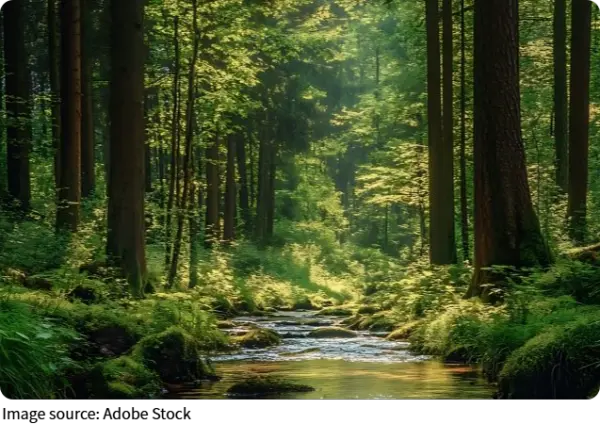
Barnes Creek is one of the smaller waterways flowing through this lush ecosystem, where moss-covered boulders, gentle cascades and constantly moving water create the quiet forest landscape seen here. Two nights on Washington's Olympic Peninsula give you enough time to enjoy the rainforest without rushing between the park's very different regions.
Walk Slowly Through the Forest
The Hoh Rain Forest rewards observation more than distance. Walking an extra five kilometres rarely reveals more than slowing your pace and paying attention to details beside the trail.
Start with Hall of Mosses
Begin your visit at the Hoh Rain Forest Visitor Center before 09:00. Parking fills steadily during summer, and an early arrival offers quieter trails and softer morning light beneath the forest canopy.
The Hall of Mosses Trail is the ideal introduction. This easy loop measures about 1.3 km and usually takes 30 to 45 minutes, but many visitors spend closer to one hour because almost every section offers something worth examining.
Instead of focusing only on towering trees, look closer at the forest floor. Fallen trunks gradually become covered with moss, nurse logs support young trees, and small streams disappear beneath layers of vegetation before reappearing farther downstream.
Even on dry summer days, waterproof footwear is a practical choice. Trails often remain damp because the dense canopy blocks direct sunlight for much of the day.
Continue along the Hoh River
After completing the shorter walk, continue onto the Hoh River Trail rather than driving immediately to another attraction.
Walking about 3 to 5 km out and back provides a very different perspective from Hall of Mosses. The trail follows the river through quieter sections of old-growth forest where visitor numbers thin noticeably.
Barnes Creek joins the larger Hoh River watershed, and smaller streams throughout this area create countless moss-covered cascades like the one shown here. Rather than searching for one famous waterfall, appreciate how water shapes nearly every part of the rainforest landscape.
Carry around 1.5 litres of water and light snacks. Although the terrain is relatively gentle, spending three to four hours beneath the forest canopy is surprisingly absorbing, and many visitors remain longer than planned.
Give the Peninsula Two Days
Olympic National Park covers nearly 3,700 square kilometres. Treating every major region as a day trip from Seattle often means spending more time driving than exploring.
Stay near Forks
Forks is the most practical base for visiting the Hoh Rain Forest. The drive to the visitor center takes approximately one hour, making an early start realistic without leaving before dawn.
Comfortable motels and lodges generally range from US$150–280 per night, depending on season and availability.
For two travelers sharing accommodation, approximately US$350–550 per person provides a practical budget for two nights, park entrance fees, meals and local transportation, excluding flights.
A private vehicle remains the easiest way to explore this part of Olympic National Park because trailheads and scenic areas are widely separated.
Instead of trying to combine Hurricane Ridge, Rialto Beach, Sol Duc Falls and the Hoh Rain Forest into one exhausting day, devote a full day to the rainforest and reserve another for the coast or mountains.
Visit when the forest is alive
Although the Hoh Rain Forest can be visited year-round, late spring through early autumn generally provides the easiest hiking conditions while preserving the vivid green vegetation that defines the landscape.
Rain is always possible, regardless of season. Pack a lightweight waterproof jacket even if the morning forecast looks clear. Short showers are part of the rainforest experience rather than an interruption to it.
Bring a camera with a tripod or image stabilization if you enjoy photographing moving water. Small streams such as Barnes Creek are particularly rewarding with slower shutter speeds, allowing the flowing water to contrast against the richly textured moss-covered rocks.
The forest is also home to Roosevelt elk, black bears, banana slugs and numerous bird species. Wildlife appears unpredictably, so remain on marked trails and enjoy any encounters naturally instead of searching aggressively for them.
Olympic National Park is often celebrated for its dramatic coastline and snow-covered peaks, yet the Hoh Rain Forest offers something equally memorable through quiet observation rather than grand scale. Spend your morning among ancient trees, follow the river into increasingly peaceful forest, and pause beside streams where water flows over moss-covered stones. Sometimes the most unforgettable landscapes are not the loudest—they are the ones that invite you to slow down enough to notice every detail.