A Morning at Stellisee
Matteo
| 09-10-2026
 · Travel team
The Matterhorn dominates hundreds of photographs across Switzerland, yet one location continues to stand above the rest. Stellisee, a small alpine lake above Zermatt at approximately 2,537 metres, offers an unobstructed view of the 4,478-metre peak reflected in calm water.
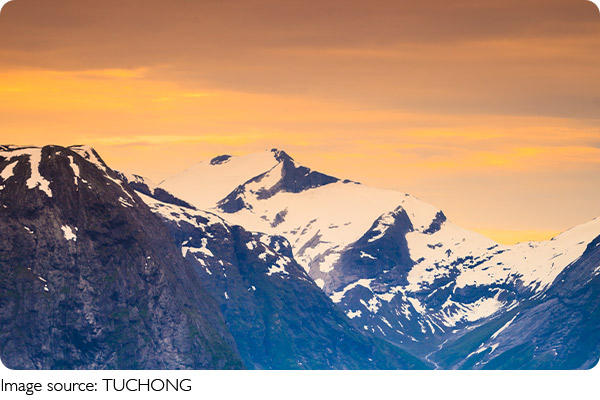
On clear mornings, the first sunlight reaches the summit before the surrounding landscape, turning the mountain soft gold while the lake mirrors every change in color. The experience lasts only a short time, which is why planning matters far more than rushing. Spend two nights in Zermatt and dedicate one morning entirely to Stellisee before exploring the surrounding trails.
Arrive Before the Light Changes
The famous reflection depends on calm conditions rather than expensive camera equipment. A difference of thirty minutes can completely change the lake.
Reach Stellisee before sunrise
From central Zermatt, take the Sunnegga funicular and continue to Blauherd by gondola. The walk from Blauherd to Stellisee is approximately 1.8 km and usually takes 20–30 minutes on a well-maintained mountain trail.
Plan to arrive beside the lake about 30–40 minutes before sunrise. During this period, the water is often at its calmest, and the Matterhorn gradually changes from grey to pink, then to brilliant gold as sunlight reaches the summit.
Do not stop at the first viewpoint beside the trail. Walk around different sections of the shoreline over the next hour. Reflections change noticeably as the viewing angle shifts, and several rocky outcrops provide natural foregrounds without requiring a difficult hike.
Mountain temperatures remain cool even in midsummer. A light insulated jacket, waterproof outer layer and gloves for early mornings make the wait far more comfortable. Carry around 1 litre of water and a small breakfast so there is no need to leave once the light improves.
Stay after most visitors leave
Many people begin walking back as soon as the reflection fades, but the surrounding landscape deserves more attention.
Continue from Stellisee toward Grindjisee and Grünsee instead of returning immediately to Blauherd. This section forms part of the famous Five Lakes Walk, one of Zermatt's most enjoyable day hikes.
Walking only as far as Grünsee creates an outing of roughly 5–6 km before returning, requiring about three hours at a relaxed pace. Completing the full Five Lakes Walk covers approximately 9.8 km and usually takes between three and four hours.
The route constantly changes scenery. Stellisee offers open mountain reflections, Grindjisee sits among scattered larch trees, while Grünsee introduces greener alpine meadows and gentler terrain. Rather than repeating the same Matterhorn view, each lake adds a different perspective.
Carry at least 1.5 litres of water if completing the longer route, especially during July and August when alpine sunshine becomes surprisingly strong despite the cool air.
Make Zermatt Part of the Experience
The mountain is the headline attraction, but the village and surrounding railway network make it easy to slow the pace instead of trying to fit everything into one exhausting day.
Stay close to Sunnegga
Accommodation within about 10 minutes' walk of either Zermatt railway station or the Sunnegga funicular keeps the early start simple.
Mid-range hotels generally range between CHF 220 and CHF 340 per night for a double room, while boutique mountain hotels and luxury properties are often considerably higher.
For two travelers sharing accommodation, CHF 500–750 per person provides a practical budget for two nights, mountain transport, meals and everyday local expenses, excluding travel to Switzerland.
Cars are not permitted inside Zermatt itself. Visitors arriving by road normally park in Täsch before taking the shuttle train into the village, allowing the centre to remain largely pedestrian.
After returning from the mountains, spend the evening walking through the village rather than immediately resting. Traditional wooden chalets, small cafés and quiet streets create a completely different atmosphere from the exposed alpine landscape above.
Finish with Gornergrat
Reserve your second day for Gornergrat instead of revisiting Stellisee.
The Gornergrat Railway climbs to approximately 3,089 metres in about 35 minutes, opening one of the broadest mountain panoramas in the Alps. More than twenty peaks exceeding 4,000 metres become visible on clear days, while glaciers spread across the valleys below.
Allow at least two hours at the summit for short walks and changing viewpoints. From here, the Matterhorn no longer dominates the landscape alone. Instead, it becomes part of an immense chain of snow-covered peaks, giving you a completely different appreciation of its scale.
Late afternoon often produces excellent side lighting on the mountain before the return journey to Zermatt.
Late July through September is generally the most comfortable period for hiking around Stellisee. Trails are usually snow-free, mountain railways operate regularly, and daylight is long enough to combine sunrise with a full day outdoors.
Stellisee is famous because it rewards patience rather than speed. Arrive before dawn, remain after the first photographs are taken, then continue across the surrounding alpine lakes instead of heading straight back. By pairing that quiet sunrise with a second day on Gornergrat, you experience the Matterhorn first as a perfect reflection and then as the centrepiece of one of Europe's greatest mountain landscapes.