Namibia's Fairy Circles

Darius
| 09-10-2026
 · Travel team
The NamibRand Nature Reserve protects one of the most extraordinary desert landscapes in southern Africa. Along with sweeping red dunes and rugged mountains, parts of the reserve contain the famous fairy circles—nearly circular patches of bare ground scattered across the grasslands in striking natural patterns.
From higher viewpoints, the circles stretch across the desert like an enormous geometric design, creating a landscape unlike almost anywhere else on Earth. A two-night stay in the NamibRand region allows enough time to appreciate these formations alongside the wider desert scenery, rather than treating them as a brief roadside stop.
Look Beyond the Mystery
The fairy circles attract attention because of their unusual appearance, but the surrounding landscape explains just as much about why this desert is so distinctive.
Visit during the cooler hours
Early morning and late afternoon are the most comfortable times to explore the reserve. Softer sunlight also makes the subtle patterns across the desert floor easier to distinguish than during the bright midday hours.
The circles vary considerably in size, with many measuring 2–12 metres in diameter. Instead of appearing randomly, they are often distributed with surprisingly regular spacing across large grass-covered plains.
Although scientists continue studying exactly how these formations develop, visitors do not need to solve the mystery to appreciate the landscape. The remarkable scale becomes clear only after standing quietly and looking across the open plains rather than focusing on a single circle.
Carry at least 2 litres of water per person, a wide-brimmed hat, sunscreen and sturdy walking shoes. Even relatively short walks feel more demanding under the desert sun than the distance alone suggests.
Explore with a guide
Large areas of NamibRand are privately protected, and many activities are organized through lodges operating inside or around the reserve.
Guided nature drives typically last three to four hours, allowing visitors to cover a broad section of the landscape while stopping to examine geological features, desert vegetation and wildlife.
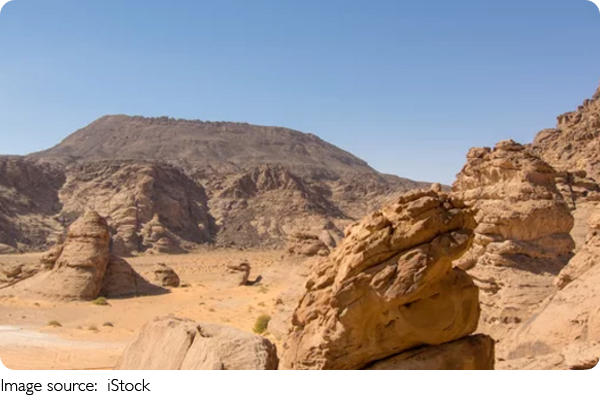
Rather than searching only for fairy circles, pay attention to how the scenery changes. Red sand dunes gradually merge into gravel plains, isolated acacia trees interrupt the open desert, and distant mountain ranges frame the horizon, much like the landscape shown here.
The reserve also supports desert-adapted wildlife, including springbok, gemsbok, ostriches and smaller mammals that have adapted to the region's dry conditions. Sightings vary from day to day, making each drive slightly different.
Stay Long Enough to Experience the Desert
NamibRand is one of those destinations where time matters more than distance. The changing light transforms the landscape several times between sunrise and nightfall.
Spend two nights in the reserve
Accommodation ranges from comfortable desert camps to luxury safari lodges.
Mid-range desert lodges generally cost around USD 100–150 per double room per night, while premium safari properties are often considerably higher.
For two travelers sharing accommodation, USD 300–400 per person provides a practical budget for two nights, meals, guided activities and ordinary local expenses, excluding transport across Namibia.
Because destinations are widely separated, avoid trying to combine NamibRand with several distant attractions in a single day. The slower pace is one of the reserve's greatest strengths.
Stay after sunset
NamibRand is internationally recognized for its exceptionally dark night skies. Once daylight fades, the absence of major nearby settlements allows countless stars to become visible on clear evenings.
Bring an extra warm layer even if the afternoon has been hot. Desert temperatures often fall quickly after sunset, particularly between May and September.
Wake early on your second morning instead of sleeping in. As the first sunlight reaches the dunes and mountains, the landscape changes from cool grey to shades of orange, gold and red within less than an hour. Experiencing both sunset and sunrise reveals why photographers often spend several days here rather than only passing through.
NamibRand offers far more than an unusual natural pattern. The fairy circles are one remarkable feature within a landscape of ancient dunes, open grasslands, isolated mountains and remarkably clear skies. Give yourself enough time to watch the desert change throughout the day, and the reserve becomes memorable not because of one mystery, but because of the extraordinary scale and variety of one of Africa's most distinctive wildernesses.