Peekaboo Trail Adventure

Finnegan Flynn
| 09-10-2026
 · Travel team
Bryce Canyon National Park is celebrated for its vast amphitheater filled with thousands of towering hoodoos, but some of its most impressive rock formations are best appreciated from below. Peekaboo Loop descends deep into Bryce Amphitheater, weaving between soaring orange spires, narrow ridges and quiet valleys where the scale of the landscape becomes truly apparent.
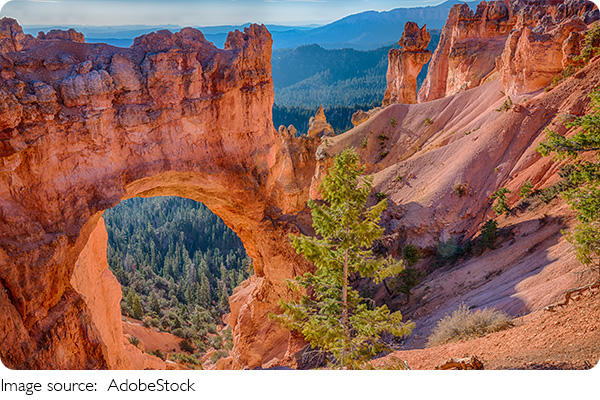
The towering hoodoos in the scene above are typical of what hikers encounter along this route. Plan at least two nights near Bryce Canyon so you can dedicate one morning to the trail and another to exploring the park's panoramic viewpoints.
Hike Among the Hoodoos
Walking into Bryce Amphitheater completely changes your perspective. From the canyon floor, the hoodoos rise like natural skyscrapers, making the landscape feel much larger than it appears from the rim.
Prepare for Peekaboo Loop
Peekaboo Loop begins from Bryce Point via the Peekaboo Trail junction. The full loop measures approximately 8.9 km, with around 470 metres of elevation gain, and most hikers complete it in 4 to 5 hours.
The trail is considered moderately challenging because of its length and several sustained climbs, but it rewards the effort with constantly changing scenery and noticeably fewer visitors than the shorter trails near Sunset Point.
Begin hiking before 08:00, particularly during late spring through early autumn. Cooler morning temperatures make the climbs more comfortable, while early sunlight creates dramatic shadows across the hoodoos.
Carry at least 2 litres of water per person, high-energy snacks and sturdy hiking shoes. There are no water stations once you leave the rim, and the combination of elevation and dry air can make hiking feel more demanding than the distance suggests.
Notice the changing landscape
Peekaboo Loop is much more than a walk through rock formations.
The trail passes beneath towering hoodoos, crosses open sandy sections and winds through small groves of pine trees growing between the cliffs. Around every bend, the shapes and colours of the rock formations change as erosion has sculpted each section differently.
Rather than trying to maintain a fast pace, pause frequently to look upward. From the canyon floor, many hoodoos rise more than 30 metres above the trail, creating a perspective impossible to appreciate from the overlooks.
Allow extra time for photography. Morning light highlights the warm orange and red tones of the sandstone while leaving deeper shadows that emphasize the intricate textures of the rock.
Complete the Bryce Canyon Experience
Peekaboo Loop is the highlight of many visits, but combining it with a few carefully chosen viewpoints creates a much more complete understanding of the park.
Spend another day on the rim
After your hiking day, explore Bryce Point, Inspiration Point and Sunrise Point at a slower pace.
Each overlook reveals a different section of Bryce Amphitheater, making it easier to appreciate the enormous scale of the landscape you walked through earlier.
Instead of driving quickly from viewpoint to viewpoint, spend 20–30 minutes at each location. As the angle of sunlight changes, the hoodoos continuously shift from pale cream to brilliant orange and deep red.
If your schedule allows, return to Bryce Point shortly before sunset. Long shadows add depth to the amphitheater and create an entirely different appearance from the bright morning light.
Stay close to the park
Bryce Canyon City offers the most convenient access to the park entrance and major trailheads.
Comfortable hotels generally cost around US$180–320 per night for a double room, depending on the season and booking date.
For two travelers sharing accommodation, US$400–650 per person provides a practical budget for two nights, including lodging, park admission, meals and local transportation, excluding flights.
Bryce Canyon sits at elevations above 2,400 metres, so temperatures can remain cool even during summer mornings. Pack layered clothing together with sunscreen and sunglasses, as strong sunshine combines with noticeably cooler air.
The most comfortable hiking season generally extends from May through October, although winter offers a strikingly different landscape when snow settles across the orange hoodoos.
Peekaboo Loop reveals why Bryce Canyon is far more than a collection of scenic overlooks. Walking beneath the towering hoodoos transforms the scale of the landscape, while a second day along the rim shows the immense amphitheater from above. Together, those two perspectives create one of the most rewarding hiking experiences in the American Southwest.