Gobi Desert Escape

Amina Hassan
| 21-09-2026
 · Travel team
The Gobi Desert in southern Mongolia is a vast region of open steppe, rugged mountains, dramatic canyons, red cliffs, and expansive dunes.
Among its most distinctive sights are Yolyn Am, Khongoryn Els, and Bayanzag Flaming Cliffs, each offering a different perspective on the region’s natural scenery.
Since these locations are widely separated, a well-organized route is essential for making the most of the journey.
Gobi Desert
Choose Your Route
Dalanzadgad serves as a practical starting point for exploring the South Gobi. Travelers can reach the town from Ulaanbaatar by domestic flight or make the journey overland.
A flight is particularly convenient for shorter trips, while an overland journey allows more time to experience Mongolia’s changing landscapes. Once in the South Gobi, a pre-arranged 4WD vehicle with a local driver is one of the most practical ways to reach the major attractions.
Route Planning
A five-day journey can cover Dalanzadgad, Yolyn Am, Khongoryn Els, and Bayanzag when flying is used to reduce the initial travel time.
A six- or seven-day journey creates more flexibility for photography, walking, dune exploration, and additional stops.
Long driving distances are an important part of South Gobi travel. Avoid filling every day with attractions and leave enough time for transfers between destinations.
Best Time to Visit
The main travel season generally runs from May through September, with some accommodation and tour services extending into early October.
Summer typically brings warmer daytime conditions and the broadest selection of operating services. May, June, and September can offer cooler conditions for sightseeing.
Desert temperatures can change significantly between day and night. Pack layers, a warm jacket, comfortable walking shoes, sunglasses, and reliable sun protection.
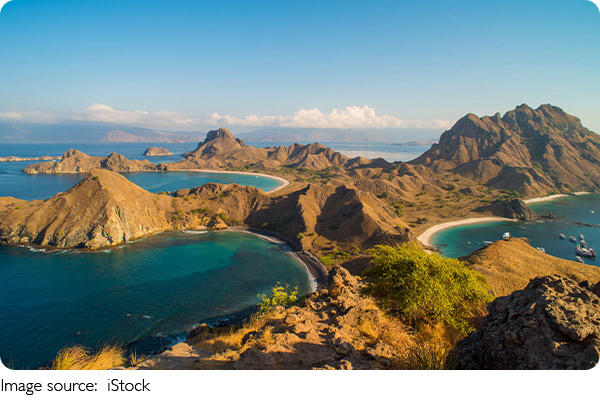
Explore the Main Landscapes
Yolyn Am is a spectacular canyon within Gobi Gurvan Saikhan National Park. High mountain walls surround its narrow valley, creating a striking contrast with the surrounding desert.
Khongoryn Els features enormous golden sand dunes stretching across the landscape. Walking along the dunes provides expansive views, while early morning and late afternoon are particularly attractive times for photography.
Bayanzag Flaming Cliffs is known for its vivid red rock formations and open desert setting. The area is also associated with important dinosaur discoveries, adding a fascinating natural-history element to the visit.
Together, these three destinations showcase the South Gobi’s contrasting terrain.
Desert Activities
Dune Climbing: Explore the sands of Khongoryn Els on foot and climb selected dune sections for sweeping views. Loose sand makes the ascent demanding, so allow plenty of time and carry water.
Camel Riding: Camel-riding experiences are available around Khongoryn Els. A 2–3-hour experience can cost approximately $30–$50, depending on the local arrangement. Confirm the duration and price before booking.
Canyon Walking: Explore the routes around Yolyn Am on foot while taking in the surrounding mountain scenery. Comfortable footwear is recommended.
Photography: The Gobi offers remarkable variety, from golden dunes and red cliffs to mountain valleys and open steppe. Early and late daylight can create softer, more detailed landscape images.
Stargazing: With broad open spaces and limited nearby development, the South Gobi can provide excellent night-sky viewing when conditions are clear. Ger camps offer convenient bases for evening observation.
How to Get There
The most time-efficient approach is to fly from Ulaanbaatar to Dalanzadgad, followed by road travel to the major sights.
Current flight listings show fares from approximately $114 one way, although prices vary by date and availability. Travelers finding the lowest listed fares can therefore expect a starting point of around $228 for a return journey.
An overland route takes considerably longer but provides more opportunities to experience Mongolia’s steppe and desert scenery.
Once in the South Gobi, 4WD transport with a driver is a practical choice because several major attractions are connected by long stretches of remote roads.
Accommodation
Ger camps provide one of the most convenient ways to stay near major South Gobi attractions. Many offer accommodation together with meals, making them particularly useful during remote sections of a route.
Published rates at some camps near Khongoryn Els are approximately $58–$63 per person for full-board accommodation. Prices can vary according to the camp, season, room arrangement, and included services.
Dalanzadgad offers additional hotels and local accommodation. Compare what is included in each rate, particularly meals and transfers, before confirming a reservation.
Local Food
Ger camps commonly serve meals on site, reducing the need to search for dining options while traveling between remote attractions.
In Dalanzadgad, travelers can find soups, noodles, rice dishes, vegetables, salads, eggs, dairy-based foods, and other local or international choices.
An inexpensive restaurant meal can cost approximately $3–$4, while a mid-range meal for two can be around $14. Prices depend on the restaurant and menu.
For long road sections, carry snacks and enough drinking water, as dining options between major attractions can be limited.
What to Pack
A successful Gobi journey requires preparation for strong sunshine, dry conditions, changing temperatures, and extended road travel.
Pack:
- Lightweight layered clothing
- Warm evening jacket
- Comfortable walking shoes
- Sunglasses
- Sun protection
- Hat
- Refillable water bottle
- Small daypack
- Portable power bank
- Personal toiletries
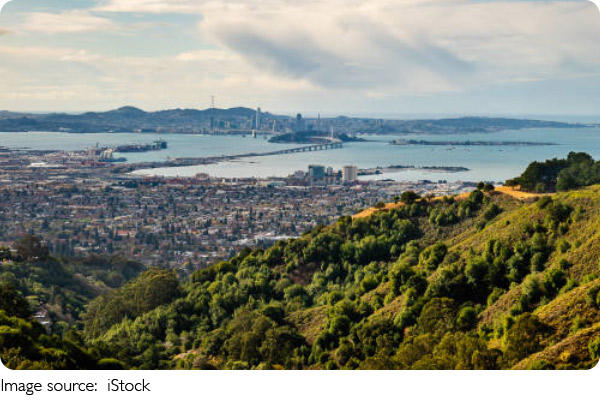
The Gobi Desert presents one of Mongolia’s most distinctive landscapes, combining expansive steppe, mountain canyons, towering dunes, and vivid red cliffs. Yolyn Am, Khongoryn Els, and Bayanzag provide a varied introduction to the South Gobi and its remarkable scenery.
For a smooth journey, choose transportation according to your schedule, arrange suitable accommodation and 4WD transport in advance, and allow sufficient time between major destinations.