Are Roses Safe for Cats?

Kenji
| 23-09-2026
 · Animal team
Roses can brighten a home or garden, but cat owners often wonder whether these familiar flowers are safe around curious pets. The answer is reassuring: true roses are generally considered non-toxic to cats.
Still, there are several practical details worth knowing, including sharp thorns, flower treatments, and the possibility of digestive discomfort after chewing plant material.

True Roses Are Not Toxic
True roses are not classified as poisonous to cats. If a cat briefly investigates a rose or takes a small nibble from an untreated flower, serious poisoning is not normally expected.
That does not mean cats should be encouraged to eat them. Plant material can sometimes upset a cat's digestive system, particularly when a larger amount is consumed. Mild signs may include vomiting, loose stools, drooling, or a temporary reduction in appetite.
Thorns Are a Separate Concern
The sharp parts of a rose deserve more attention than the flower itself. Cats often explore unfamiliar objects with their paws and mouths, creating opportunities for a thorn to cause a scratch or puncture. A thorn can also become troublesome if it gets caught in the mouth or is swallowed. When bringing cut roses indoors, inspect the stems carefully and remove accessible thorns when practical. Keeping arrangements away from favorite climbing or resting areas provides another layer of protection.
Flower Treatments Matter
A rose may be naturally safe while substances applied to it are not. Garden treatments, pesticides, fertilizers, and other chemicals can remain on leaves, stems, or flowers. This is particularly relevant when bringing roses indoors from a garden or receiving a professionally prepared arrangement. Cats that chew treated foliage may ingest substances that were never intended for them.
Avoid allowing cats to chew flowers that have recently been treated with garden products. It is also sensible to keep them from drinking water held in a flower container, especially when additives have been used to maintain the arrangement.
Check Mixed Flower Arrangements
A bouquet that contains roses may also contain several other plant varieties. The presence of a safe flower does not automatically make every plant in an arrangement safe for cats. This is why identifying each unfamiliar flower is worthwhile, especially when a cat has a habit of exploring plants. Common names can also cause confusion because some flowers are described as “rose” even though they are not true roses.
What Happens If a Cat Chews One?
A small amount of an untreated true rose is unlikely to cause serious poisoning. Nevertheless, observe the cat afterward and pay attention to changes that seem unusual. The situation deserves greater caution if the plant had chemical treatments, the cat may have swallowed a thorn, or the arrangement contained unidentified flowers.
Persistent vomiting, heavy drooling, difficulty eating, marked weakness, or breathing difficulties require prompt veterinary attention. Never attempt to induce vomiting at home unless a veterinarian specifically directs you to do so.
Creating a Safer Display
Roses can still be enjoyed in a home with cats. Placement is the simplest way to reduce unnecessary contact. A stable surface that is difficult for the cat to reach can keep an arrangement out of curious paws. For particularly adventurous cats, a closed room or another inaccessible location may be more appropriate. Remove fallen petals and leaves promptly, and check the surrounding area for any loose thorns.
Outdoor roses require similar consideration. If cats regularly explore the garden, avoid using potentially harmful treatments where they can easily come into contact with treated plants.
Know Your Cat's Habits
Every cat has different habits. Some show little interest in plants, while others investigate almost anything within reach. Understanding a cat's behavior can help determine how much precaution is necessary.
A cat that repeatedly chews greenery may need flower arrangements kept completely out of reach. For a cat that rarely approaches plants, careful placement and regular tidying may be sufficient.
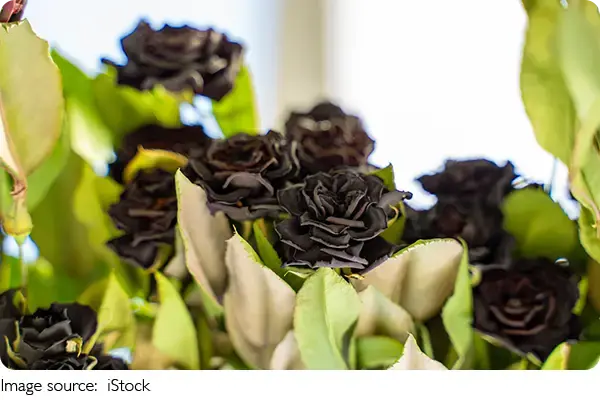
Roses themselves are generally safe for cats, but responsible handling still matters. The flower is not the main issue; thorns, chemical residues, mixed arrangements, and excessive chewing deserve greater attention. By considering where roses are placed and what has been used on them, cat owners can enjoy their color and fragrance while keeping curious companions away from avoidable hazards.