Cat Hunting Behaviors

Matteo
| 22-09-2026
 · Animal team
A cat quietly watching a moving toy, crouching behind furniture, or suddenly racing across the room may look like ordinary play. But these actions are closely connected to a cat’s natural hunting behavior.
Even cats that live comfortably indoors can show strong instincts to watch, stalk, chase, and pounce. Understanding these behaviors can make it easier for owners to provide the right kind of stimulation while keeping their cats happy and engaged.
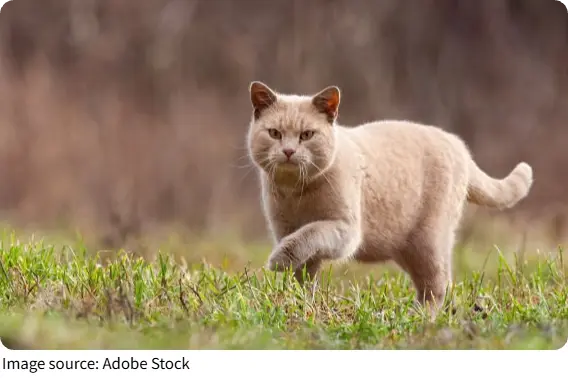
Why Do Cats Hunt?
Hunting behavior is deeply connected to a cat’s instincts. Long before cats became common household companions, they needed to search their surroundings, remain alert, and react quickly to moving creatures. Those abilities helped cats find opportunities to survive in different environments.
Modern domestic cats still retain many of these instinctive behaviors. A well-fed house cat may suddenly become fascinated by a moving insect, a bird outside the window, or a toy being pulled across the floor. The behavior does not necessarily mean the cat is hungry.
Instead, movement and sound can naturally attract a cat’s attention. A quick movement across the floor may be enough to trigger the familiar sequence of watching, approaching, and pouncing.
How Cats Learn Hunting Skills
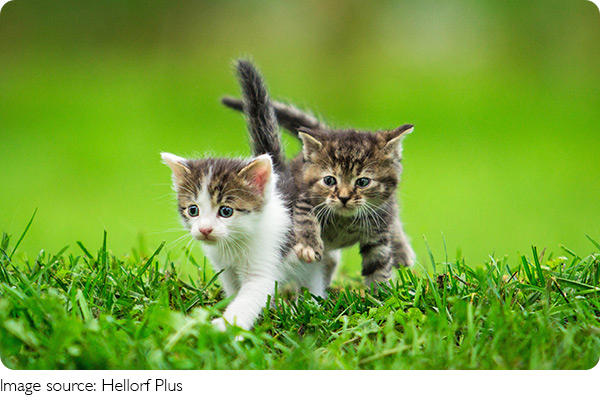
Some hunting behaviors appear naturally, while others can be strengthened through observation and practice. Young cats often learn important behaviors through interactions with their mother and littermates. Watching and copying actions can help kittens develop coordination and timing.
Play also provides valuable practice. When kittens chase one another, bat at moving objects, or jump after toys, they are developing skills that resemble parts of the hunting sequence. These activities help them learn how to judge movement, adjust their position, and react quickly.
The Stalk, Chase and Pounce Sequence
One of the most interesting parts of cat behavior is how carefully a cat can move before making a sudden leap. A cat may first notice something interesting and stare at it closely. Its body can become low and still as it watches the movement. The cat may then slowly move forward, pause, and adjust its position before making a quick pounce.
This sequence explains why interactive toys can be so engaging. A feather wand, a lightweight toy, or an object that moves across the floor can give a cat opportunities to practice several natural behaviors in a single activity. For indoor cats, regular interactive play can provide both physical movement and mental stimulation.
Why Play Is Important
Hunting-style play is more than simple entertainment. Cats need opportunities to investigate, chase, and respond to changing movements, particularly when they spend most of their time indoors. Different cats may prefer different types of play. One cat might enjoy following a toy through the air, while another may become more interested when a toy moves across the floor. Some cats also enjoy toys that encourage them to search or chase.
How Owners Can Guide Hunting Instincts
Owners do not need to eliminate a cat’s instincts. Instead, those instincts can be redirected toward safe activities. Regular play sessions are one practical approach. Using toys that encourage stalking and chasing allows cats to express natural behaviors in a controlled setting. Supervised outdoor time can also give cats opportunities to experience new sights and sounds while reducing unwanted encounters with wildlife.
Cat hunting behavior is a fascinating combination of instinct, learning, movement, and curiosity. For owners, the goal is not to suppress these instincts but to understand them. With regular interactive play, suitable toys and thoughtful supervision, cats can enjoy activities that challenge their bodies and minds while remaining safely engaged in their everyday environment.
Hunting Behaviors in Cats | Cats' Natural Instincts for Hunting
cats knowhow