Cat Grooming Habits

Chandan Singh
| 08-10-2026
 · Animal team
Cats spend a surprising amount of time licking their fur, and most of the time, this is perfectly normal. Grooming helps them keep their coats clean, remove loose hair, and maintain a familiar daily routine.
However, when licking becomes much more frequent than usual, focuses on one area, or causes hair loss and irritated skin, it may be telling us something important, and paying attention to how and where a cat grooms can help owners notice changes before they become bigger problems.
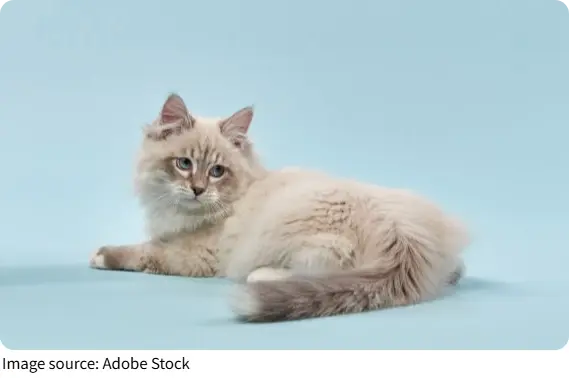
A Natural Cleaning Routine
Grooming is an important part of a cat's everyday life. A cat's tongue has tiny, backward-facing structures that help catch loose hair, dust, and other material from the coat. This makes licking an effective way to keep the fur tidy without needing much help from people.
Cats often groom after eating, waking from a nap, using the litter box, or settling down in a comfortable place. These moments can be part of their normal routine. Some cats may also spend longer periods grooming before resting.
Regular grooming also helps distribute natural oils across the coat. This can keep the fur looking neat and may help prevent small tangles from becoming larger mats, especially in cats with longer coats.
Grooming Can Help Cats Relax
Licking is not only about cleanliness. Grooming can also be part of how cats respond to changes in their surroundings.
A new home, unfamiliar visitors, changes in household routines, loud noises, or a lack of stimulation may make some cats feel unsettled. Grooming can become a familiar activity that helps them return to a routine when something around them feels different.
The important point is to look for changes rather than assuming that frequent grooming is always caused by stress. A cat that suddenly begins licking one area repeatedly may have another reason for doing so.
Changes in behavior can provide useful clues. A cat that spends more time hiding, becomes less interested in food, avoids normal activities, or seems unusually restless while also grooming excessively deserves closer attention.
When Licking Becomes Excessive
One of the clearest warning signs is hair loss in an area that the cat repeatedly licks. Red skin, small scabs, dandruff, broken hairs, or bald patches can also indicate that something is wrong.
Skin irritation is one possible cause. Fleas and other external parasites can make a cat extremely itchy, while allergies may cause repeated scratching or licking. Some skin conditions can also produce irritation, scaling, or changes in the coat.
Pain is another possibility. Cats sometimes focus their grooming on an area that feels uncomfortable. If a cat repeatedly licks a particular leg, joint, or other specific part of the body, it is worth paying attention to whether movement or other daily activities have also changed.
Dental discomfort can sometimes affect grooming behavior too. A cat that repeatedly stops while grooming, paws at its mouth, drools, or has difficulty eating may need a professional check.
The Home Environment Matters
A cat's surroundings can also influence grooming habits. Hot weather may change how often a cat grooms, while dry conditions can contribute to skin discomfort. Strong household scents, recently changed cleaning products, or a new collar or bedding material may also bother a sensitive cat.
Keeping the living space comfortable and avoiding unnecessary irritants can help. Cats should have a clean resting area, fresh water, and a calm place to retreat when they want some quiet time.
Regular brushing can also reduce the amount of loose hair a cat needs to remove on its own. This is especially useful for long-haired cats, whose coats can become tangled more easily.
Watch for Changes
There is no single amount of grooming that is normal for every cat. Individual habits vary with coat type, age, routine, personality, and environment. What matters most is a noticeable change from the cat's usual pattern.
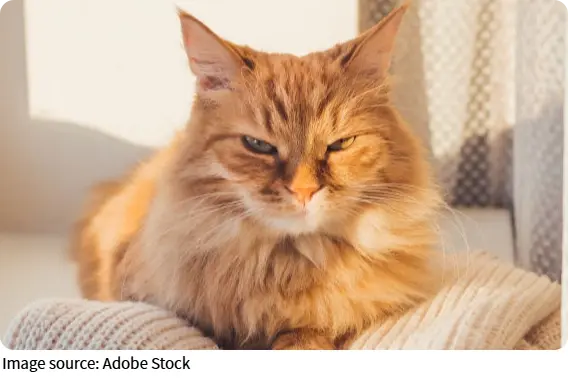
If grooming suddenly becomes intense, continues for long periods, repeatedly targets the same area, or results in visible changes to the skin or coat, it is best not to ignore it. A veterinarian can help determine whether the behavior is linked to skin irritation, parasites, pain, allergies, or another underlying issue.
For everyday grooming, though, licking is simply part of being a cat. By noticing where, when, and how often a cat grooms, owners can better understand its normal habits and recognize when that familiar routine starts to look different.