California Coastal Drive

Priya
| 18-09-2026
 · Travel team
California, United States, is ideal for a scenic road trip along the Pacific coast.
Highway 1 connects beaches, cliffs, forests, mountains, and seaside communities, creating a journey that can be adapted to different schedules and interests.
Instead of covering the entire coastline, travelers can select a manageable section and combine driving with walks, attractions, meals, and overnight stays.
California
Build Your Route
A popular coastal journey can connect Santa Cruz, Monterey, Big Sur, Cambria, Santa Barbara, Malibu, and Dana Point. Each destination offers a different character, allowing travelers to create a route around their preferred experiences and available time.
The Central Coast is particularly striking, with the Monterey and Big Sur area combining mountains, forests, rocky shorelines, and expansive Pacific views. Farther south, the landscape becomes more urbanized, with broader beaches and established seaside communities.
Highlights Along Highway 1
Monterey and the Carmel area offer oceanfront paths, gardens, galleries, viewpoints, and nearby natural areas.
Big Sur is known for steep mountain terrain, forested landscapes, coastal cliffs, and wide Pacific vistas.
Bixby Bridge spans a deep coastal canyon and is a notable landmark for photography. Visitors should use designated viewpoints and parking areas rather than stopping on the bridge or roadway.
Cambria provides a relaxed coastal setting with walkable areas, local shops, beaches, and access to nearby attractions.
Santa Barbara combines waterfront scenery with gardens, shopping areas, and a lively city center.
Malibu features beaches, coastal hills, viewpoints, and scenic sections of Highway 1.
How to Get There
By car: A rental car offers the greatest freedom for reaching dispersed beaches, viewpoints, towns, and attractions along the route.
By air: Travelers arriving from elsewhere can fly to an airport near their chosen starting point and continue by rental car. Airport choice depends on the section of coastline included in the trip.
By public transport: Buses and local services are useful within larger coastal communities but are less convenient for reaching remote locations.
Transport budget: A compact rental car can cost approximately $45–$70 per day before taxes and additional fees. Fuel is separate and depends on driving distance, vehicle type, and current fuel prices. Local public transportation may cost approximately $5–$20 per day in larger communities.
Check current highway conditions before departure because individual sections can be affected by construction, maintenance, or temporary traffic controls.
Accommodation
Accommodation ranges from campgrounds and simple rooms to comfortable coastal properties and higher-end stays.
Budget stays: Approximately $100–$180 per night
Mid-range stays: Approximately $180–$320 per night
Premium stays: Approximately $400+ per night
Camping: Approximately $35–$70 per night
Rates vary according to location, season, room type, and availability. Advance reservations are useful during busy travel periods.
Local Food
Coastal communities provide convenient dining choices, including cafés, bakeries, markets, casual restaurants, and prepared-food counters.
Breakfast: Approximately $8–$24 per person
Casual lunch: Approximately $12–$32 per person
Dinner: Approximately $24–$56 per person
Coffee and snacks: Approximately $5–$12
Travelers seeking a lower-cost option can purchase ready-to-eat food from markets, bakeries, cafés, or supermarkets and create a simple picnic for approximately $12–$20 per person.
Outdoor Experiences
The coastline suits travelers who enjoy accessible outdoor activities. Short walks, beach visits, photography, and nature observation can easily be incorporated into a driving itinerary.
Big Sur provides opportunities to experience forest and ocean environments in the same area, while other parts of the route offer beaches, coastal paths, and accessible viewpoints.
Use designated parking areas and marked paths when exploring, particularly around protected natural areas.
Practical Travel Tips
Start early when visiting several locations in one day, giving yourself sufficient daylight for sightseeing and driving.
Download maps before entering remote sections where mobile service may be limited. Carry water, snacks, comfortable walking shoes, sunscreen, and a light outer layer because coastal conditions can change during the day.
Avoid scheduling every stop too tightly. A little spare time makes it easier to enjoy scenic areas without rushing.
Best Time to Visit
The California coast is accessible throughout much of the year, although conditions differ by region.
Spring and early fall can offer comfortable conditions and, in some areas, fewer visitors. Summer provides longer daylight hours and is popular for coastal activities, while cooler months can offer a quieter atmosphere.
Check the local forecast and current highway conditions shortly before departure, especially when traveling through mountainous coastal sections.
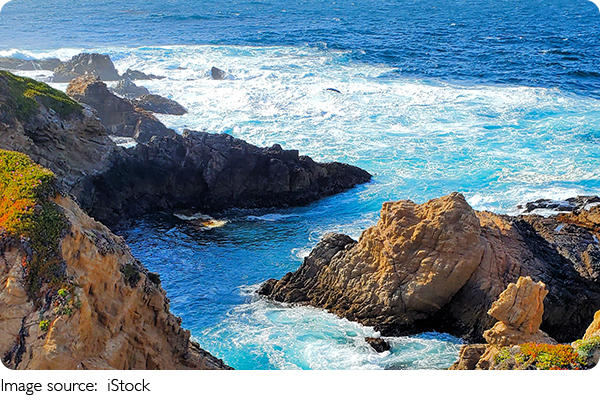
A California coastal drive brings together Pacific scenery, mountain landscapes, beaches, forests, and distinctive seaside communities along one memorable route.
By choosing a manageable section, arranging accommodation ahead of time, setting a realistic transport and dining budget, and allowing sufficient time for exploration, travelers can enjoy Highway 1 at a comfortable pace.