Ulsan Coast & Culture

Caroll Alvarado
| 18-09-2026
 · Travel team
Ulsan, South Korea, offers a distinctive blend of coastal landscapes, expansive gardens, cultural attractions, and contemporary city life.
The destination suits travelers who enjoy varied experiences, from forested shoreline trails and bamboo groves to maritime museums, traditional pottery, and elevated city views.
Its attractions extend across the eastern coast, riverside districts, and central neighborhoods, creating plenty of opportunities for independent exploration.
Ulsan
Daewangam Park
Daewangam Park is one of Ulsan’s signature coastal landscapes. Pine-covered trails lead toward rugged rock formations, sea viewpoints, and a suspension bridge above the shoreline.
The park is free to visit. Allow several hours to follow the main walking routes at a comfortable pace, with sunrise and sunset offering particularly scenic conditions.
Ilsan Beach
Ilsan Beach provides a more open waterfront setting, with a broad shoreline suited to walking, photography, and seasonal recreation.
Its proximity to Daewangam makes it an easy addition to a coastal sightseeing route, particularly during the afternoon and early evening.
Taehwagang National Garden
Taehwagang National Garden is centered on the Taehwagang River and features landscaped gardens, cycling routes, walking paths, seasonal flowers, and the Simni Bamboo Grove.
The bamboo grove extends for approximately 4 km. After dark, illuminated sections form the Milky Way Trail, creating a distinctive evening atmosphere. Entry to the garden and bamboo grove is free.
Ulsan Grand Park
Ulsan Grand Park is a substantial urban recreation area containing lawns, gardens, ponds, walking routes, and recreational facilities. The main park is free to enter.
Its spacious layout makes it suitable for an easy-paced outdoor visit, particularly when you want time away from the more concentrated sightseeing areas.
Jangsaengpo Marine Attractions
Jangsaengpo provides insight into Ulsan’s maritime heritage through museums and nearby sea-related attractions.
Standard admission to the Whale Museum is approximately $1.50. Seasonal cruises offer another way to experience the waterfront, with published fares of approximately $11 for coastal tours and $15 for whale-search tours. Operating periods, routes, and prices can change.
Ganjeolgot Cape
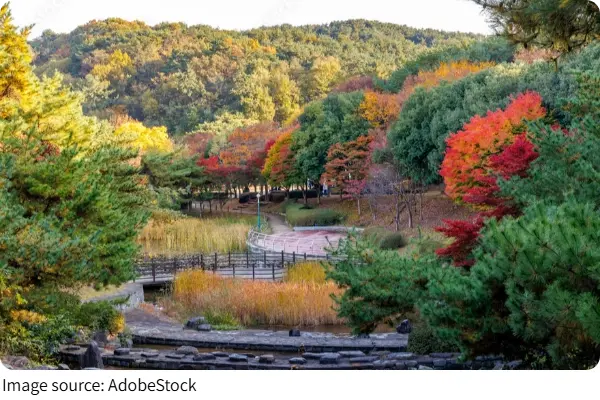
Ganjeolgot Cape is a prominent coastal viewpoint south of central Ulsan. Its open setting includes sea views, a lighthouse, sculptures, lawns, and the distinctive Hope Mailbox.
The cape is free to visit and is especially appealing around sunrise.
Oegosan Onggi Village
Oegosan Onggi Village showcases the Korean tradition of onggi pottery through exhibition areas, studios, outdoor displays, and educational experiences.
Museum access is free, while hands-on activities may carry separate fees. The village provides an opportunity to explore traditional craftsmanship in a setting distinct from Ulsan’s coastal attractions.
Ulsan Bridge Observatory
Ulsan Bridge Observatory offers elevated views across the bridge, harbor, and surrounding cityscape. Admission is free.
The viewpoint is particularly atmospheric after sunset, when the illuminated harbor and urban landscape create a different perspective on Ulsan.
Ulsan Museum
Ulsan Museum presents the region’s history, culture, and development through permanent exhibitions. Standard admission is free.
A visit generally takes around 90 minutes to two hours, making the museum easy to incorporate into a broader city sightseeing schedule.
How to Get There
Ulsan is accessible by high-speed and conventional rail, intercity buses, and air services. Local buses and taxis connect the main transport hubs with sightseeing districts.
A standard city bus ride costs approximately $1.10 with a transport card or $1.17 in cash. Taxi fares begin at approximately $3.30, with additional charges according to distance and time.
For efficient sightseeing, organize visits geographically rather than moving repeatedly between distant districts.
Accommodation
Accommodation in Ulsan ranges from budget-friendly city stays to more comfortable properties near the coast. A practical planning range is approximately $30–$140+ per night, depending on location, room category, property, and travel period.
Eastern districts are convenient for coastal attractions, while central neighborhoods provide stronger access to restaurants, shopping, and transport connections.
Local Dining
Ulsan has a broad dining scene spanning Korean cuisine, seafood-focused restaurants, cafés, and contemporary eateries.
An inexpensive restaurant meal generally costs around $6–$10 per person. A three-course meal for two at a mid-range restaurant can cost approximately $27–$44.
Central districts and waterfront areas offer convenient choices for travelers looking to dine near their evening sightseeing stops.
Practical Travel Tips
- Plan by district: Organize coastal, riverside, and central attractions into separate sightseeing routes.
- Choose transport strategically: Use buses for economical travel and taxis when direct connections save substantial time.
- Check attraction schedules: Museums, observatories, and cruises may follow different operating hours.
- Prepare for the coast: A light outer layer is useful when spending extended periods near the waterfront.
- Carry flexible payment options: Having both a card and some cash can be convenient at smaller establishments.
- Check cruise availability: Seasonal services may operate on limited schedules.
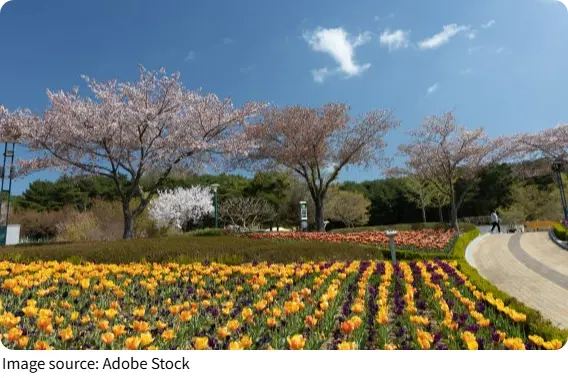
Ulsan brings together coastal scenery, riverside gardens, marine heritage, traditional craftsmanship, museums, and urban recreation in one varied destination. Rather than relying on a single landmark, the city’s appeal comes from the contrast between its shoreline, green spaces, cultural attractions, and modern cityscape.
With accessible attractions and a range of transport, dining, and accommodation options, Ulsan provides a flexible South Korea travel experience for visitors who want to explore at their own pace.