Along the Niger River

Vivienne
| 10-10-2026
 · Travel team
The Niger River shapes much of daily life in Niamey, and the city's riverside is one of the best places to appreciate its slower rhythm. Large hotels, riverside promenades, fishing boats and wide views across the water create a very different atmosphere from the busy streets farther inland.
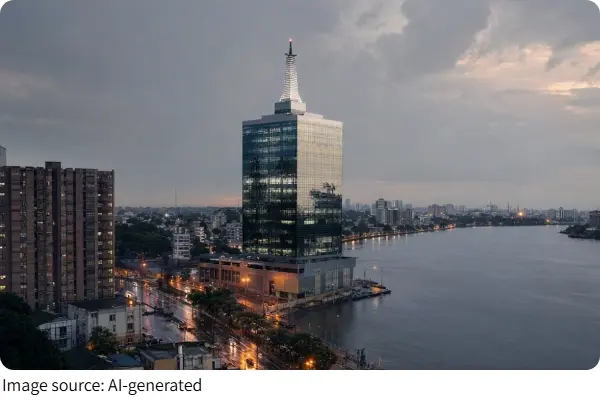
The riverside setting shown here, with Hotel Sahel overlooking the broad river, highlights how closely the city is connected to one of Africa's longest waterways. Instead of treating the river as a backdrop, spend two or three days exploring the surrounding neighbourhoods, markets and parks to better understand this part of the capital.
Explore the Riverside District
The banks of the Niger River provide a relaxed contrast to the city's commercial centre and are best explored on foot and by short taxi rides.
Walk the riverfront
The area surrounding Hotel Sahel offers convenient access to the Niger River, where broad waterfront views are especially attractive during the cooler hours of the day.
A relaxed riverside walk of 3–5 km typically takes 1.5–2 hours, allowing plenty of time to enjoy the changing reflections on the water and observe everyday activity along the riverbank.
Unlike fast-flowing mountain rivers, the Niger moves steadily through Niamey, creating broad channels that have supported transport, fishing and agriculture for generations. Throughout the day, the appearance of the river changes with shifting sunlight, making early morning and late afternoon particularly rewarding for photography.
As you walk, notice how the city gradually transitions from urban buildings to green riverbanks. Birds are often active near the water, while small fishing boats occasionally travel between landing points along the shore.
Wear lightweight clothing, comfortable walking shoes and a hat. Carry at least 1.5 litres of water, especially if walking after mid-morning, when temperatures generally rise more quickly.
Discover nearby landmarks
Several of Niamey's most interesting attractions are located within a relatively short distance of the riverside.
The National Museum of Niger, city markets and public gardens can usually be reached within 5–10 km, making them practical additions to the same day's itinerary.
Rather than visiting several places briefly, choose two or three locations and allow time to explore each one. Local craft markets often feature leather goods, woven baskets, jewellery and textiles that reflect regional craftsmanship.
Moving between destinations by taxi keeps travel simple while reducing walking during the warmest part of the afternoon.
Plan a Comfortable Stay
Good planning makes exploring Niamey more enjoyable, particularly when balancing sightseeing with the city's climate.
Organise your day around the weather
Outdoor activities are generally most comfortable during the early morning and the final hours before sunset.
Many visitors begin with a riverside walk, spend the middle of the day visiting indoor attractions or relaxing at their accommodation, then return outdoors as temperatures become more moderate later in the afternoon.
Lightweight clothing made from breathable fabrics is usually the most comfortable choice. Sunglasses, sunscreen and a refillable water bottle are practical items to carry throughout the day.
If you plan to photograph the river, include extra time after sunrise or before sunset. The lower angle of the light often creates warm reflections across the water while softening the appearance of riverside buildings.
Stay near the river
Choosing accommodation close to the Niger River reduces travel time and places several attractions within convenient reach.
Comfortable hotels in the riverside district generally range from XOF 70,000–130,000 per night for a double room.
For two travelers sharing accommodation, XOF 220,000–420,000 per person provides a practical budget for a three-day stay, including accommodation, meals, local taxi transportation and ordinary sightseeing expenses, excluding travel to Niger.
Allow some flexibility in your schedule instead of planning every hour. A slower pace leaves time to enjoy cafés overlooking the river, explore neighbourhood streets and return to the waterfront when the changing light creates entirely different views across the water.
The riverside district reveals a quieter side of Niamey that many visitors overlook. Walking beside the Niger River, exploring nearby cultural attractions and allowing the city's daily rhythm to unfold naturally creates a richer experience than simply viewing the capital from a hotel window.