A Slow Day in Piedmont

Chris Isidore
| 10-10-2026
 · Travel team
Tucked into the rolling hills of Piedmont, Castelletto d'Erro is easy to miss on a regional map, yet it offers exactly what many travelers seek in northern Italy: quiet streets, historic stone buildings, vineyard landscapes and panoramic countryside without the crowds found in larger destinations.
The village sits in the province of Alessandria, about 15 km from the spa town of Acqui Terme, making it an easy excursion for visitors exploring southern Piedmont. Rather than rushing through for a photograph, spend a full day walking its lanes, enjoying local food and discovering why these smaller communities preserve much of the region's traditional character.
Experience Village Life
Castelletto d'Erro rewards visitors who slow their pace and pay attention to details that are easy to overlook.
Walk the historic centre
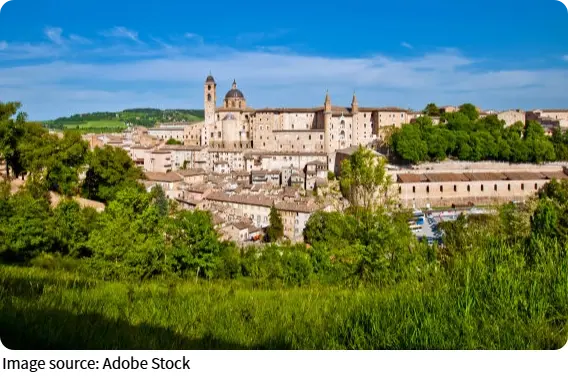
The village occupies a hilltop at roughly 550 metres above sea level, providing wide views across wooded valleys and cultivated farmland.
Most of the historic centre can be explored on foot in 45–90 minutes, but allowing extra time makes the experience much richer. Narrow lanes connect stone houses with terracotta roofs, while small gardens and quiet squares create inviting places to pause. Unlike cities where attractions compete for attention, the appeal here comes from the overall atmosphere.
One of the most recognizable landmarks is the medieval stone tower, which rises above the surrounding rooftops. Together with the nearby parish, it reflects centuries of settlement that shaped this corner of Piedmont. As you walk, notice how the buildings follow the contours of the hillside, creating changing perspectives with almost every turn.
Comfortable walking shoes are recommended because many streets are paved with uneven stone or gentle slopes.
Discover the surrounding countryside
Leaving the village centre reveals another side of Castelletto d'Erro.
Country roads and local walking paths pass vineyards, hazelnut groves and mixed woodland, with routes ranging from 3 to 8 km depending on the direction you choose.
The surrounding landscape changes noticeably with the seasons. Spring brings fresh greenery and wildflowers, summer fills the hills with deep shades of green, autumn colours the vineyards and forests in warm tones, while winter offers clear views across the valleys after the leaves have fallen.
Photographers often find that the best viewpoints are not inside the village itself but just beyond its edge, where the hilltop skyline can be seen rising above orchards and cultivated fields.
Pair It with Acqui Terme
One advantage of visiting Castelletto d'Erro is how easily it combines with nearby destinations.
Create an easy day itinerary
Acqui Terme lies approximately 20 minutes by car, making it practical to visit both places in one day.
Begin your morning in Castelletto d'Erro before the streets become more active, then continue to Acqui Terme for lunch and an afternoon exploring its historic centre. The combination offers two very different perspectives on Piedmont—one rural and peaceful, the other centred around Roman history, elegant piazzas and traditional cafés.
Allow 6–8 hours for the complete itinerary, including walking, meals and scenic stops along the route. Driving between the villages also passes vineyards and gently rolling hills that define much of southern Piedmont's landscape.
Plan your budget
Castelletto d'Erro itself is inexpensive to visit because wandering the village and countryside costs nothing.
A realistic day-trip budget from Acqui Terme generally ranges between €50 and €90 per person, including local transportation, lunch, refreshments and incidental expenses, excluding accommodation.
If you prefer an unhurried experience, consider staying overnight in the surrounding countryside. Small guesthouses and agriturismo properties nearby often provide opportunities to enjoy regional dishes prepared with local ingredients, while evenings remain remarkably quiet once day visitors have departed.
Castelletto d'Erro demonstrates that some of Italy's most rewarding destinations are measured not by the number of famous landmarks but by the quality of the experience. A medieval tower, peaceful lanes, vineyard-covered hills and a slower rhythm of life combine to create a destination that invites visitors to spend less time checking a sightseeing list and more time simply enjoying where they are.