Budapest Travel Guide

Antonio
| 16-09-2026
 · Travel team
Budapest, Hungary, is a historic European capital shaped by the Danube, with striking architecture, elegant public spaces, cultural landmarks, and distinctive neighborhoods.
Buda and Pest offer contrasting settings, while the city's compact central areas make it possible to combine major sights with local dining, shopping, and leisurely walks.
Budapest
Discover Budapest’s Architecture
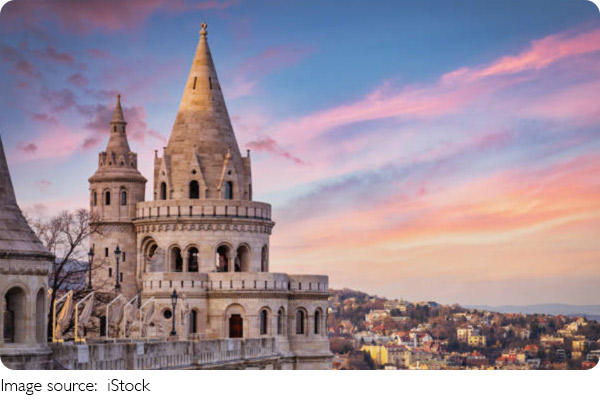
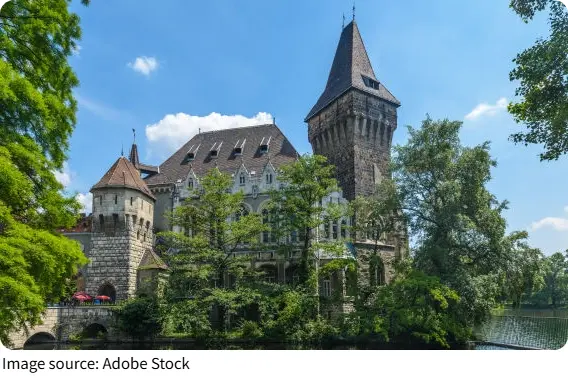
Budapest is known for an impressive mixture of architectural styles, including Gothic Revival, Baroque, Neoclassical, Renaissance, and Art Nouveau influences.
The Parliament Building is among the city's most recognizable landmarks. Its expansive riverside facade, central dome, detailed ornamentation, and distinctive roofline create an impressive view from across the Danube.
Elsewhere, central Pest features grand avenues, historic facades, elegant squares, and richly decorated buildings. Buda adds hillside streets, historic quarters, and elevated viewpoints, providing a different architectural setting.
Visit Historic Interiors
The city's architectural appeal continues inside many historic buildings, where visitors can discover decorated halls, staircases, ceilings, columns, and other period details.
The Parliament Building offers scheduled visitor tours covering selected interior spaces. The official visitor route takes approximately 45 minutes, while additional time should be allowed for arrival and security procedures. Admission prices vary according to visitor category, so check the current price when reserving a visit.
Other cultural landmarks also provide interior experiences, making advance reservations useful when a particular attraction is an important part of your plans.
How to Get There
Budapest has an extensive public-transport network covering the city's main districts. Metro lines, trams, buses, and trolleybuses provide convenient connections between central attractions, railway stations, and areas on both sides of the Danube.
A standard single public-transport ticket costs about $1.58, while a 24-hour travelcard costs about $8.69. The single ticket is intended for one journey under the applicable transport conditions, while the 24-hour travelcard allows repeated travel on eligible services during its validity period.
For travelers arriving by air, the 100E Airport Express costs approximately $7.90 each way and connects Budapest Airport with central Budapest. This service has a separate fare from the standard city ticket.
Travelers planning multiple journeys can compare the cost of individual tickets with the available travelcard options before deciding which arrangement suits their schedule.
Choose Your Accommodation
Budapest has accommodation for different travel styles and budgets, including hotels, guesthouses, and apartment-style properties.
Pest places travelers close to many central attractions, shopping areas, restaurants, and public-transport connections. Buda offers hillside neighborhoods, scenic viewpoints, and a quieter atmosphere in several areas.
As a practical planning range, many Budapest hotel stays can cost around $90–$170 per night, although prices vary according to location, accommodation category, travel period, and booking conditions. Premium properties can cost considerably more.
When comparing rooms, check the total price and whether breakfast, taxes, parking, or additional charges are included. Proximity to public transport can also be useful when planning a full day of sightseeing.
Enjoy Local Food
Budapest has a diverse dining scene spanning bakeries, cafés, markets, casual eateries, and restaurants. Travelers can explore Hungarian culinary traditions while also finding contemporary and international options.
For planning purposes, breakfast can cost around $6–$11 per person, lunch approximately $16–$25, and a mid-range dinner around $25–$47 per person. A serving of lángos can cost around $8, with prices varying by location and preparation.
Neighborhood cafés and markets can provide convenient choices between sightseeing stops, while comparing menus beforehand makes it easier to manage dining expenses.
Explore Buda and Pest
Buda and Pest each contribute a different character to the city. Pest is particularly convenient for exploring major civic landmarks, central streets, cultural attractions, cafés, and shopping areas. Buda is known for its historic districts, hillside setting, and panoramic viewpoints.
Crossing the Danube connects these contrasting parts of the capital and adds variety to a sightseeing day. Walking works well for shorter distances, while public transport provides efficient connections when attractions are farther apart.
Plan Your Budapest Experience
A successful Budapest visit can bring together architectural landmarks, historic interiors, efficient transportation, comfortable accommodation, and varied dining without requiring an overcrowded schedule.
Reserve timed attractions ahead of your visit, select accommodation according to the areas you want to explore, and choose transport tickets based on the number of journeys you expect to make. Leave room for unplanned walks through historic streets and time beside the Danube, allowing the city’s architecture and atmosphere to become part of the experience.