Cat & Rabbit Together?

Hiro
| 20-09-2026
 · Animal team
Cats and rabbits can sometimes share a home peacefully, but putting them together requires patience, planning, and close supervision. Their personalities matter just as much as their species.
A relaxed cat may show little interest in a rabbit, while another may become overly focused on movement. Rabbits can also become frightened easily, so a successful introduction should always put the rabbit’s comfort and safety first.

It Depends on the Individual Animals
There is no universal rule that cats and rabbits cannot live in the same household. Some can become comfortable around each other, particularly when introductions are gradual. However, natural behaviors can make the relationship complicated.
Cats are often attracted to quick movements, and a rabbit running suddenly across a room can trigger chasing behavior. Even a cat that is gentle during normal interactions may react differently when a rabbit becomes excited or frightened.
The rabbit’s personality matters too. A confident rabbit may remain calm around a quiet cat, while a nervous rabbit may hide whenever the cat approaches. Before attempting introductions, owners should consider the temperament, age, activity level, and previous experience of both animals.
Create Separate Safe Spaces
The safest starting point is to give each animal its own area. A rabbit should have an enclosure or room where it can rest, eat, and move around without being disturbed. The cat should also have places where it can retreat.
These separate spaces allow both animals to become familiar with the other’s presence without direct contact. They can gradually become accustomed to unfamiliar sounds and smells while still feeling secure.
A rabbit’s enclosure should be sturdy enough that a cat cannot easily reach through it. At the same time, the rabbit should have hiding areas where it can move away from visual contact if necessary.
Start With Slow Introductions
Rushing an introduction can create fear and make future interactions more difficult. Begin by allowing the animals to notice each other from a safe distance. For example, a rabbit can remain inside its secure enclosure while the cat is nearby under control. Keep the first sessions short and watch both animals carefully. Calm behavior is a positive sign, but owners should avoid assuming that one peaceful meeting means the animals are ready to spend time together unsupervised.
Over several sessions, the distance can gradually decrease if both animals remain relaxed. The process may take days or longer, depending on their personalities.
Watch Body Language Carefully
Understanding behavior is essential. A relaxed cat may sit quietly, groom itself, or lose interest in the rabbit. A rabbit that continues to eat, explore, or rest normally may also be showing that it feels relatively comfortable.
Warning signs should never be ignored. A cat that intensely watches, crouches, stalks, swats, or repeatedly tries to chase the rabbit needs more distance. A rabbit that repeatedly hides, freezes, attempts to escape, or shows a major change in normal behavior may be experiencing too much stress.
Never Leave Them Unsupervised
Even after several successful meetings, unsupervised interaction can be risky. A cat can injure a rabbit with a sudden swipe or bite, while a frightened rabbit may panic and hurt itself while trying to escape.
For this reason, owners should supervise direct interaction and separate the animals when no one is available to watch them. A peaceful relationship is not the same as guaranteed safety.
It is also important to remember that play can look very different between species. A cat may view chasing as an exciting activity, while a rabbit may experience the same behavior as frightening. What appears harmless to one animal can therefore be stressful for the other.
Consider the Rabbit’s Needs
Rabbits need a calm environment where they can eat, rest, explore, and follow their normal routines. Constant exposure to a highly active or interested cat may make that difficult.
Owners should therefore avoid forcing companionship. The goal does not have to be for the animals to cuddle or play together. Simply being able to remain calm in the same household can be a successful outcome.
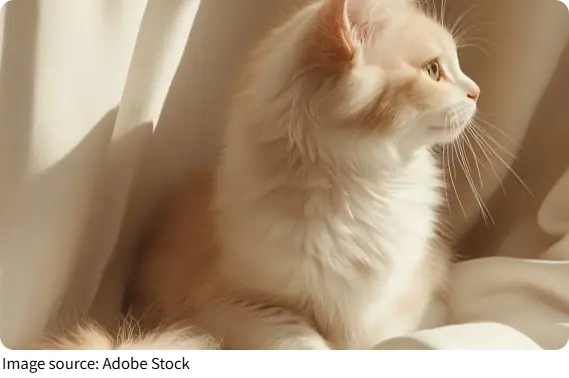
Cats and rabbits can sometimes coexist, but compatibility depends heavily on individual temperament and careful management. A slow introduction, separate safe areas, close supervision, and attention to body language can make shared living more manageable. Most importantly, owners should never force interaction. If both animals can feel secure while respecting each other’s space, a peaceful household is much more realistic.