Protect Red Pandas

Hiro
| 20-09-2026
 · Animal team
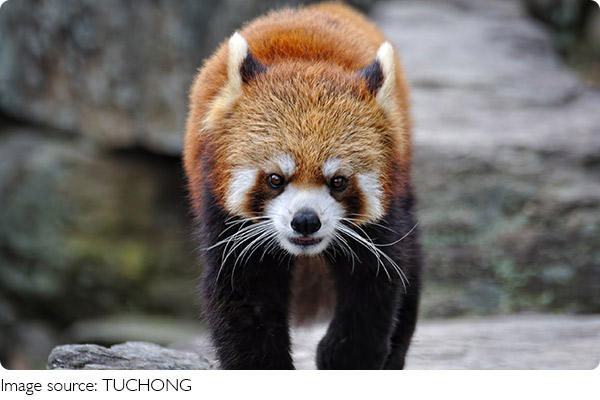
Hello, Lykkers! With its rust-coloured fur, fluffy tail, and gentle face, the red panda is one of the most enchanting creatures on Earth. But behind its adorable appearance lies a serious story. These animals are classified as endangered, with fewer than 10,000 left in the wild. Their numbers are declining due to habitat loss, poaching, and climate change.
Yet, there is hope. Conservation efforts around the world are working to protect them, and every one of us can play a part. Let us explore what is being done and how we can help.
Protecting Their Forest Home
The most important step in saving red pandas is protecting their natural habitat. They live in the temperate forests of the Himalayas and southwestern China.
These forests are being cleared for timber, farming, and development. Conservation organizations are working with local communities to establish protected areas and wildlife corridors. These efforts help ensure that red pandas have enough space to find food, shelter, and mates. Supporting organizations that buy and protect forest land is one way to help.
Supporting Anti-Poaching Efforts
Red pandas are often poached for their beautiful fur, which is used to make hats and clothing. Others are captured for the illegal pet trade. To combat this, conservation groups train and support anti-poaching patrols. They work with local authorities to enforce wildlife protection laws. By donating to these programs or raising awareness, we can help reduce the demand for red panda products and protect them from harm.
Working with Local Communities
Conservation is most effective when it involves the people who live alongside wildlife. Many organizations partner with local communities to create sustainable livelihoods that do not depend on forest destruction. They provide training in eco-friendly farming, handicrafts, and ecotourism. When communities benefit from protecting red pandas, they become their strongest allies. Supporting fair-trade products and responsible tourism are simple ways to contribute.
Connecting Fragmented Forests
Red pandas need connected stretches of forest to move between feeding areas, find mates, and maintain healthy populations. When roads, farms, and settlements divide their habitat into isolated patches, these movements become much more difficult.
Conservation projects therefore work to restore degraded forest and create wildlife corridors between remaining habitats. Planting native trees and protecting bamboo, the red panda's main food source, can help reconnect these fragmented areas. Keeping forests connected gives isolated populations a better chance of surviving over the long term.
How You Can Help at Home
You do not need to be in the Himalayas to make a difference. Here are some simple actions you can take:
- Support conservation organizations that work to protect red pandas and their habitats.
- Choose sustainable products that do not contribute to deforestation.
- Reduce your carbon footprint to help slow climate change, which threatens red panda habitats.
- Spread awareness by sharing information about red pandas with friends and family.
- Be a responsible tourist if you visit red panda regions; choose ethical wildlife experiences and avoid supporting illegal trade.
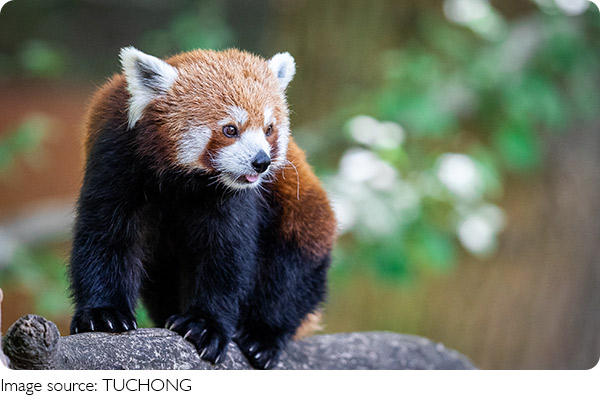
The red panda is a symbol of the incredible biodiversity our planet holds, Lykkers. Its survival depends on the choices we make today. By protecting forests, supporting local communities, and reducing our own environmental impact, we can give these beautiful creatures a fighting chance. Every action counts, no matter how small. Together, we can ensure that future generations will still be able to marvel at the fire fox in its mountain home. Let us act now, for the red panda and for the forests they call home.