Discover Creative Baguio
Antonio
| 17-09-2026
 · Travel team
Hello Lykkers! Baguio is often introduced through pine trees, cool mountain air, and strawberries, but its most memorable side may be its color.
Murals climb hillsides, flowers fill public gardens, woven patterns appear in cultural spaces, and contemporary art sits beside Cordilleran traditions.
That creative identity is more than a tourism slogan. Baguio has been part of the UNESCO Creative Cities Network since 2017 in the field of Crafts and Folk Art, recognizing traditions that include weaving, woodcarving, silver craft, and other forms of regional artistry.
If you want to explore the colorful corners of Baguio, you do not need to chase dozens of attractions. A garden, an artist village, a major museum, and one short trip toward La Trinidad reveal very different sides of the city's creative character.
Baguio
Start among the colors of Botanical Garden
Begin at Baguio Botanical Garden, one of the easiest places to see why flowers remain such a strong part of the city's visual identity. The landscaped grounds combine colorful flower beds, pine trees, sculptures, cultural displays, and pathways that make the garden suitable for a slow morning rather than a quick photo stop.
Current visitor information lists the garden as open from 6:00 AM to 7:00 PM, with general tourist admission at approximately ₱100. Because municipal fees and operating arrangements can change, treat this as a reference rate and confirm locally before visiting.
Arriving early is worthwhile. The temperature is usually more comfortable for walking, and you have a better chance of exploring the displays before larger groups arrive.
Find Cordilleran art at Tam-awan Village
For a different kind of color, head to Tam-awan Village at 366-C Pinsao Proper. This hillside cultural space was developed to resemble a traditional Cordillera village while providing a venue for artists and cultural activities. Its grounds include traditional huts, galleries, vegetation, trails, and changing exhibitions.
The official website currently lists opening hours from 8:00 AM to 6:00 PM daily. Admission prices have varied across recent listings, so it is safer to confirm the current entrance charge directly before arriving rather than relying on an older published rate.
Do not rush straight through the galleries. The combination of paintings, wooden structures, forested paths, and Cordilleran design makes Tam-awan feel less like a conventional museum and more like an artistic neighborhood built into the hillside.
See Baguio's contemporary side at BenCab Museum
Next, travel southwest to BenCab Museum, approximately a 15-minute drive from central Baguio under normal conditions. The museum stands at Km. 6 Asin Road in Tadiangan, Tuba, Benguet and houses works by National Artist Benedicto Cabrera alongside Philippine contemporary art and Cordilleran objects.
This is one place where the practical details are especially clear. The museum is open Tuesday through Sunday from 9:00 AM to 6:00 PM, with last entry at 5:30 PM, and is closed on Mondays, Christmas Day, and New Year's Day.
General admission is ₱200, while students with a valid Philippine school ID pay ₱120 and seniors or PWD visitors pay ₱150. Allow at least a couple of hours if you want to see both the galleries and surrounding landscape rather than simply moving from room to room.
Take a side trip to the Colors of StoBoSa
One of the area's boldest displays of color is technically outside Baguio. Colors of StoBoSa is located in neighboring La Trinidad, Benguet. StoBoSa combines the names Stonehill, Botiwtiw, and Sadjap, communities whose houses were transformed through a large-scale painting project. Seen from across the valley, the painted homes merge into a huge mountainside artwork filled with geometric forms and imagery connected to the Cordillera region.
There is no museum-style visit required here. The attraction is primarily the view itself, making it easy to combine with other stops in La Trinidad. Remember that these are residential communities rather than a purpose-built theme park, so photograph respectfully and avoid entering private areas.
Plan around art rather than attractions
Baguio's colorful side works best as a relaxed one- or two-day route. Botanical Garden fits naturally into a morning, while Tam-awan Village and BenCab Museum can occupy much of an art-focused afternoon. StoBoSa can be added when traveling toward La Trinidad.
Keep some flexibility in your schedule. Mountain weather can change quickly, and outdoor locations are much more enjoyable when you are not racing between stops. Most importantly, look beyond the obvious photo spots.
Baguio's creative identity comes from the combination of contemporary artists, indigenous craftsmanship, gardens, community projects, and traditions that remain visible throughout the city. UNESCO's recognition of Baguio as a Creative City of Crafts and Folk Art reflects exactly that connection.
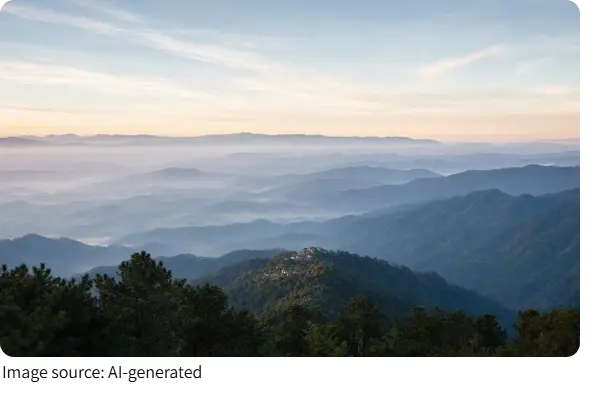
Give yourself time to wander, stop inside a gallery, examine a woven pattern, or simply watch the colors change as mist moves across the hills. In Baguio, some of the best corners are the ones you notice between the major attractions.