What Makes Cars Collectible

Leila
| 09-10-2026
 · Automobile team
Collectible sports cars stand out for their design, engineering, and historical significance.
Although limited production can increase interest, a vehicle's lasting appeal depends on what distinguishes it from other models and the experience it offers enthusiasts.
Rarity and Purpose
Limited production can make a sports car more desirable, particularly when its development serves a specific engineering objective or motorsport purpose. These circumstances give the vehicle a distinct identity and help explain its place in automotive history.
The significance of a production limit depends on the story behind it. A clearly defined purpose, combined with distinctive features, gives collectors meaningful reasons to appreciate a model beyond its scarcity.
Historical Significance
A car's position within an important period of automotive development can contribute to its collectible appeal. Models that introduce notable design concepts, mark a new generation, or represent a significant technical milestone can become enduring points of interest for enthusiasts.
Special editions may also reflect a particular design philosophy or an important stage in a model's development. This historical context helps explain what makes a vehicle distinctive within its category.
Engineering and Design
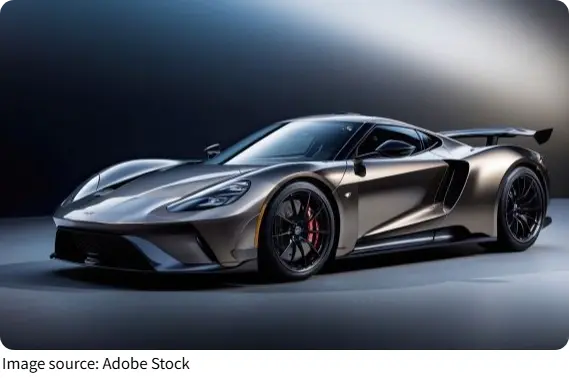
Technical specifications play an important role in defining a sports car's character. Lightweight construction, a manual transmission, a specially tuned engine, unique bodywork, and carefully developed chassis components can distinguish a limited-production model from standard versions.
The appeal lies in how these elements work together. A thoughtful balance of performance, handling, styling, and driving experience can give a car a recognizable identity that extends beyond its production figures.
Originality and Provenance
A collectible vehicle's condition and documented history are essential considerations when evaluating an individual example. Original components, factory specifications, service records, and a traceable ownership history help establish its authenticity and reveal how it has been cared for.
A professional inspection can assess the condition of important components, identify modifications, and highlight areas requiring attention. Together, these checks provide a clearer picture of the vehicle's overall quality.
Collector Interest and Market Appeal
Interest in collectible cars evolves alongside changing preferences in design, performance, and automotive heritage. Some models appeal through their appearance, while others attract enthusiasts through their engineering achievements or historical importance.
A combination of distinctive qualities can broaden a vehicle's appeal, although market demand and resale prices remain subject to change. Collectibility therefore reflects more than limited availability and does not guarantee future financial gains.
The Ownership Experience
Owning a limited-production sports car involves considerations beyond its purchase price. Specialist servicing, parts availability, suitable storage, and access to knowledgeable technicians can all influence the long-term ownership experience.
Prospective owners should assess maintenance needs, condition, and intended use before deciding. Balancing practical responsibilities with personal enjoyment helps make ownership more rewarding.
The strongest collectible sports cars offer more than limited production: they represent distinctive achievements in automotive design, engineering, and history. By considering their originality, condition, and historical significance, enthusiasts can appreciate what makes each vehicle special beyond its scarcity alone.