Red Fox Winter Survival

Pankaj Singh
| 19-08-2026
 · Animal team
Welcome, Lykkers! When winter transforms forests, fields, and mountains into cold, difficult landscapes, the red fox does not simply wait for spring. Instead, this adaptable predator relies on a remarkable combination of physical changes, clever hunting strategies, sheltered resting places, and highly sensitive senses.
Snow and freezing temperatures can make food harder to find, yet red foxes remain active through much of the season. So, how does a relatively small mammal manage to stay warm and find enough food when winter seems determined to make survival difficult?
A Winter Coat Built for Cold Weather
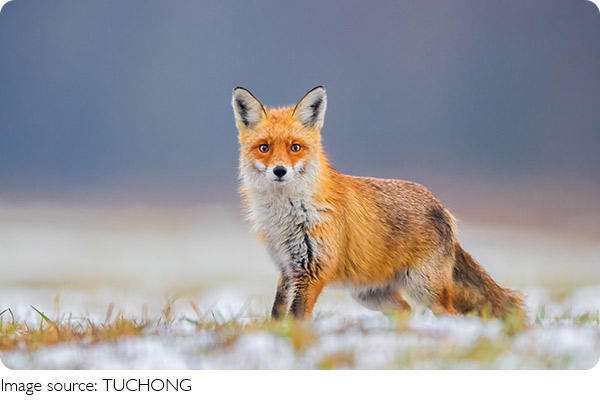
One of the red fox’s greatest advantages is its seasonal coat. As temperatures fall, the fur becomes longer and denser, creating an insulating layer around the body. The underfur is especially important because it traps pockets of air close to the skin, helping reduce heat loss.
The outer hairs are longer and coarser, forming a protective layer that can help shield the softer underfur from snow and moisture. A fox can also use its bushy tail as a natural blanket. When curled up to rest, it may wrap the tail around its body, helping protect the face and exposed areas from cold air. The coat is not simply thicker for appearance. Its structure provides practical protection against winter weather, allowing the fox to remain outdoors when temperatures become harsh.
Snow Does Not Stop the Hunt
Winter can dramatically change where prey is found, but red foxes are excellent opportunistic hunters. Their diet may include mice, voles, rabbits, birds, insects, and other small animals, depending on what is available in their habitat. Snow can even help reveal the movements of prey. Tracks, disturbed snow, or small openings beneath the surface may provide clues about where an animal has passed. Red foxes have extremely sensitive hearing, allowing them to detect small animals moving beneath snow.
One of the most fascinating hunting behaviors is the fox’s famous pouncing technique. When it locates prey hidden beneath snow, a fox may leap upward and plunge headfirst into the snow. The movement looks playful, but it is a highly effective way to reach prey that cannot easily be seen from the surface.
Sensitive Ears Become Winter Hunting Tools
Vision is useful, but hearing can become especially valuable when snow conceals potential prey. Red foxes can detect faint sounds from surprisingly far away, including movements made by small mammals. The fox carefully listens before deciding where to strike. Once the sound is located, it may adjust its position and jump toward the hidden animal. This combination of hearing, patience, and precise movement allows the fox to hunt even when visibility is poor.
Finding Shelter From the Worst Weather
Red foxes usually do not spend the entire winter inside a den. They often remain active above ground and may rest in sheltered locations such as thick vegetation, beneath fallen trees, rocky crevices, or abandoned burrows. Dens become particularly important for raising young, but adults can use several temporary resting sites throughout their territory. Choosing a protected location can reduce exposure to strong winds and precipitation, conserving valuable body energy.
Staying Warm Requires Energy
Keeping warm during winter is not free. Producing body heat requires energy, which means finding food becomes especially important when temperatures drop. Red foxes therefore adjust their behavior according to food availability. They may travel across larger areas when prey is scarce, investigate new feeding opportunities, or take advantage of carrion when hunting becomes difficult.
Winter Does Not Mean Constant Activity
Although red foxes remain active during winter, they are not endlessly moving through the cold. Energy conservation matters. A fox may spend considerable time resting between hunting attempts, particularly when food is difficult to locate. Red foxes are generally most active around dusk, during the night, and around dawn, although their activity patterns can vary depending on habitat, food availability, weather, and human presence. Their ability to alter daily routines gives them flexibility when winter conditions become unpredictable.
A Small Predator With Remarkable Adaptability
The red fox survives winter through a collection of adaptations rather than one extraordinary trick. Its insulating coat protects against heat loss, its bushy tail provides additional cover, and its sharp hearing helps locate prey hidden beneath snow. Flexible feeding habits and carefully chosen resting places further improve its chances of making it through the coldest months.

Perhaps the most impressive part is the fox’s adaptability. Winter changes the landscape, hides food, and increases the energy required to stay warm, yet the red fox responds by changing how it hunts, rests, and uses its surroundings. For a red fox, surviving winter is less about overpowering the cold and more about understanding how to live with it.