Tail Tales Matter

Raghu Yadav
| 18-08-2026
 · Animal team
Have you ever watched a squirrel race along a branch and wondered why its tail is so large and fluffy? We may think it simply makes the animal look cute, but this remarkable feature plays an important part in daily life.
From climbing and jumping to resting and communicating, a squirrel's tail can help in several practical ways.
Let’s take a closer look, Lykkers, and discover why this familiar little animal carries such an impressive natural tool wherever it goes.
Keeping Its Balance
One important function of a squirrel's tail is balance. These quick animals often travel along narrow branches, climb tree trunks, and leap from one place to another. Such movements require excellent control.
When a squirrel changes direction, its tail often moves with its body. This can help it adjust its position and remain steady on uneven surfaces. We can think of it as a useful balancing tool that supports quick and careful movement.
During a jump, the tail can also spread outward. This helps the squirrel control its position in the air and prepare for landing. Although it cannot fly, the extra surface can help make its movement easier to manage.
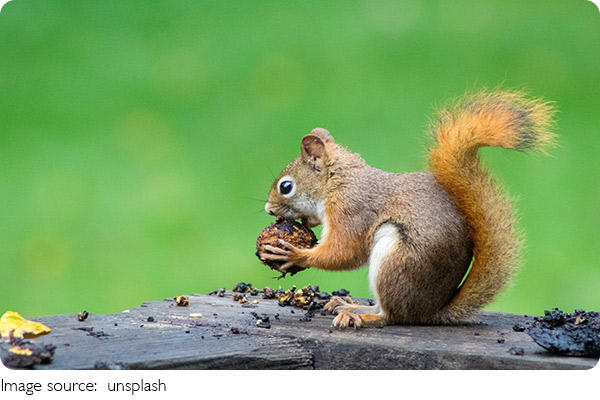
Sending Useful Signals
A squirrel's tail is also part of its communication system. Squirrels can use different movements to send visual signals to others nearby.
For example, when a squirrel notices something unusual, it may flick its tail repeatedly. Another squirrel may see this action and become more alert. Small movements can therefore carry useful information without the need to make a sound.
If we quietly watch squirrels for a few minutes, we may notice that their tails are often moving. A quick flick, a raised position, or a gentle wave may all be connected to what is happening around them.
Staying Warm While Resting
During cooler weather, a squirrel's thick tail can provide extra warmth. When resting inside a nest or another sheltered space, it may curl its body and wrap its tail around itself.
The thick fur helps create an extra layer around the body. This is especially useful when temperatures drop and the squirrel spends longer periods resting in a protected place.
We can imagine the tail as a natural cover that is always available. It is soft, flexible, and easy for the animal to position according to its needs.
Creating Shade Outdoors
Interestingly, the same tail that provides warmth can also help during bright weather. A squirrel may hold its tail above or around its body, creating a small amount of shade.
This shows how one body feature can serve different purposes throughout the year. In cooler conditions, it can help conserve warmth, while on sunny days, it can provide some protection from direct sunlight.
Nature is full of clever designs, and the squirrel's tail is a simple but fascinating example of how one feature can be useful in several situations.
Supporting Quick Turns
Squirrels are famous for their fast and agile movements. They can race along branches, climb upward, and suddenly change direction while searching for food or exploring their surroundings.
Their tails help support these quick movements. When the body turns, the tail can move in response and assist with coordination. This is particularly helpful in forests and wooded areas, where branches have different angles and surfaces.
We can compare this to how we naturally move our arms when trying to stay steady. A squirrel uses its tail as an important part of its movement, allowing it to travel through a complex environment with impressive control.
A Busy Life Outdoors
Many squirrels spend much of their time in trees. They are active, curious, and skilled climbers. During periods when food is plentiful, they search for nuts, seeds, and other suitable items.
Some squirrels also store food in hidden places for later use. They may place their supplies underground or in other sheltered locations and return when food becomes harder to find.
During colder periods, squirrels may spend more time inside their nests, but they do not simply disappear for the entire season. When conditions improve, we can often see them becoming more active again.
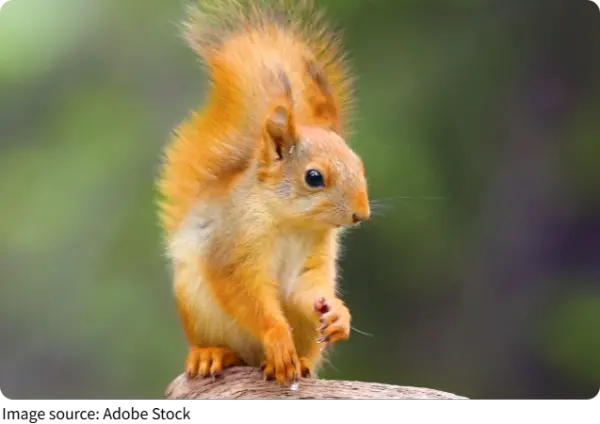
So, Lykkers, a squirrel's fluffy tail is far more than an attractive feature. It can help with balance, quick movement, communication, warmth, and shade.
The next time we see a squirrel climbing a tree or racing across a branch, let’s take a moment to watch its tail. We may notice how often it moves and how closely it works with the rest of the body.
Nature often hides fascinating details in familiar animals. What other surprising animal features have caught your attention, Lykkers? Let’s keep looking closely at the world around us, because even a small fluffy tail can have a big story to tell.
The importance of a squirrel's tail
Video by Squirrels at the window