How Ducklings Learn

Sofia Alvarez
| 04-08-2026
 · Animal team
Hey Lykkers! If you have ever seen a mother duck leading a line of tiny ducklings across a pond, a path, or even a road, you may have wondered why they stay so close behind her.
The answer is both scientific and wonderfully practical. Ducklings follow their mother because of a powerful early-life learning process called imprinting, which helps them recognize her as their caregiver and guide.
This behavior is not just cute; it is essential for survival. Ducklings are vulnerable when they hatch, and staying near their mother gives them warmth, protection, food, and important lessons about the world.
Imprinting Begins Within Hours After Hatching
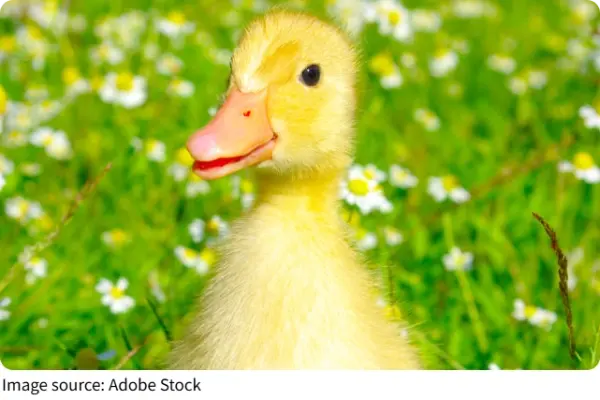
The strongest reason ducklings follow their mother is a biological process known as filial imprinting. During a short period immediately after hatching, the duckling's brain becomes exceptionally receptive to learning who its caregiver is.
This process was famously demonstrated by Austrian zoologist Konrad Lorenz, whose groundbreaking research showed that newly hatched waterfowl quickly form a lasting attachment to the first suitable moving figure they encounter.
Unlike ordinary learning, imprinting happens extremely rapidly and does not require repeated training. Once established, the recognition remains remarkably stable throughout early development.
Rather than memorizing detailed features, ducklings rely on a combination of movement, body shape, vocal sounds, and proximity to identify the correct parent. Because this learning window is brief, remaining close to the mother immediately after hatching is essential.
Following Keeps Ducklings Safe From Predators
A newly hatched duckling faces countless dangers. Foxes, raccoons, snakes, large fish, turtles, birds of prey, and even domestic cats may prey upon young ducklings. Their tiny bodies, limited flying ability, and slow speed make them easy targets. Remaining close to their mother provides several layers of protection.
Mother ducks constantly scan their surroundings for danger. Their eyesight and hearing are far more developed than those of their offspring, allowing them to detect threats early. When danger appears, they produce alarm calls that prompt ducklings to freeze, dive into vegetation, or quickly gather beneath nearby cover.
Some duck species become surprisingly aggressive when protecting their young. A mother may flap her wings, hiss loudly, or charge toward smaller predators to create enough distraction for her ducklings to escape. Staying together also reduces the chance that an individual duckling becomes isolated. Predators often target animals separated from the group because they are easier to catch.
The Mother Is a Living Survival Guide
Following is not only about protection. The mother also acts as a teacher, introducing her offspring to the resources they need for survival. During the first weeks of life, ducklings gradually learn where to find nutritious food.
Their diet commonly includes aquatic insects, mosquito larvae, freshwater crustaceans, worms, tiny snails, algae, and soft aquatic plants. Instead of explaining these choices, the mother demonstrates them by repeatedly leading her brood to productive feeding areas.
They Learn the Landscape While Staying Close
Movement behind the mother also teaches ducklings how to navigate unfamiliar environments. As the family travels between nesting sites, ponds, marshes, and resting locations, young birds gradually build a mental map of their surroundings. They become familiar with sheltered vegetation, safe swimming routes, resting areas, and reliable food sources.
Duck Vocalizations Keep Families Connected
Mother ducks and ducklings communicate almost continuously. Before hatching, embryos inside the eggs can already hear sounds from outside the shell. Soft vocal exchanges between the mother and developing chicks help synchronize hatching and begin early recognition even before the ducklings emerge.
After hatching, frequent contact calls maintain family cohesion. If a duckling wanders too far away, it responds to the mother's calls by moving toward her voice. Likewise, mothers can recognize the calls of their own offspring within the noisy environment of wetlands. These vocal signals become especially valuable when dense reeds, floating vegetation, or poor visibility temporarily separate members of the brood.
Swimming in Formation Conserves Energy
The familiar single-file formation is not simply charming—it offers practical benefits. As the mother swims, she creates small waves across the water. Ducklings traveling behind her can take advantage of these surface movements, reducing the effort needed to paddle. Although the energy savings are modest, they become meaningful for tiny birds with limited energy reserves.
Swimming together also allows the mother to monitor every duckling more efficiently. Instead of watching individuals scattered across the pond, she can quickly detect if one falls behind or becomes trapped among aquatic plants. The orderly formation therefore combines protection, communication, and efficient movement into one effective strategy.
Growing Independence Happens Gradually
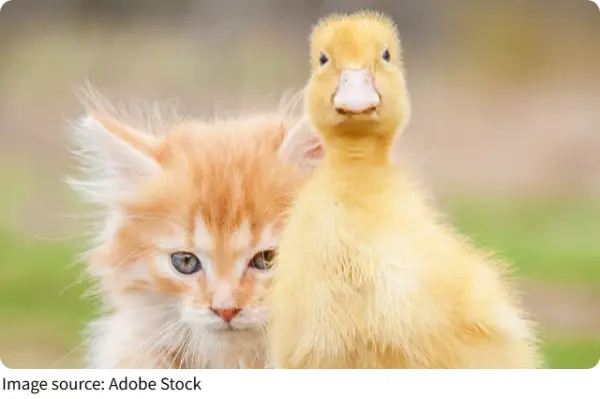
Ducklings do not remain permanently dependent on their mother. As their feathers develop, muscles strengthen, and flight becomes possible, their reliance on constant guidance steadily decreases. Young ducks become increasingly skilled at recognizing predators, locating food, and navigating wetlands independently.
The image of ducklings faithfully following their mother is far more than an adorable wildlife moment. It reflects a finely tuned survival system built on imprinting, protection, communication, navigation, and learning.
Every step behind their mother helps young birds identify danger, locate food, memorize their environment, and develop the confidence needed for independent life.