Ice Giant Warm Tricks?

Naveen Kumar
| 24-07-2026
 · Animal team
Hi, Friends! Imagine living in a place where icy winds sweep across the landscape, the ocean surface freezes for miles, and temperatures fall far below what humans can tolerate. For polar bears, this extreme environment is not an occasional challenge but their everyday home in the Arctic.
They survive the freezing conditions through a combination of amazing adaptations, including thick fur, a layer of stored energy beneath the skin, specialized body shape, and unique behaviors. These features help them stay warm while hunting, swimming, resting, and caring for their young in one of Earth’s coldest regions.
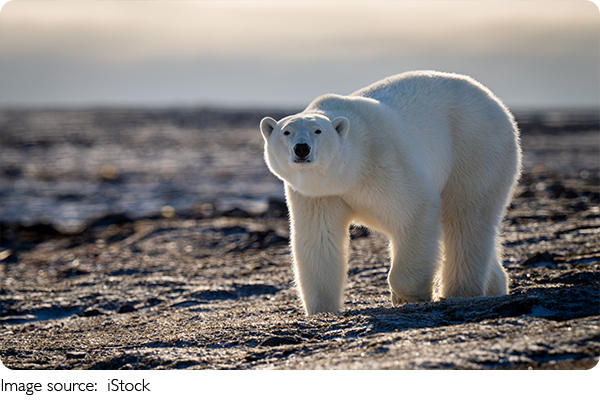
A Natural Winter Coat Built for the Arctic
One of the most obvious reasons polar bears can survive freezing conditions is their specialized fur. Their coat is made of two distinct layers that work together as an advanced insulation system.
The outer layer consists of longer guard hairs that help protect the inner coat from snow, wind, and icy water. These hairs are also water-resistant, allowing polar bears to shake off moisture after swimming in freezing seas. Beneath this layer is a thick undercoat made of dense, soft fur that traps warm air close to the body.
Interestingly, polar bear fur is not truly white. Individual hairs are transparent and mostly hollow, allowing sunlight to enter and scatter through the strands. The reflected light creates the familiar white appearance that helps them blend into their snowy surroundings. This natural camouflage is especially useful when they approach seals on sea ice. Their fur does more than provide warmth—it also supports hunting by helping them remain difficult to detect in their environment.
Blubber: The Arctic Bear's Internal Insulation
Beneath the fur lies another powerful defense against the cold: a thick layer of body tissue called blubber. Polar bears can develop several centimeters of this insulating layer beneath their skin, helping them stay warm even when they enter icy water. This protection is especially important because swimming causes heat loss much faster than simply standing in cold air.
During long journeys across sea ice or extended swims between ice platforms, blubber prevents rapid heat loss and provides an energy reserve when food becomes difficult to find. A well-fed polar bear can rely on these stored calories during periods when hunting opportunities are limited.
However, this insulation system is so effective that polar bears can sometimes face the opposite problem: overheating. When they run for long distances or become highly active, their bodies generate significant heat that their thick coat and insulating blubber layer may struggle to release.
Specialized Paws Designed for Ice and Cold
Polar bear paws are among the most impressive examples of Arctic adaptation. Their enormous feet are covered with fur and contain thick pads that reduce heat loss while walking across frozen surfaces. Beneath the skin, a network of blood vessels helps control temperature by managing how much heat reaches the paws.
This circulation system works like a built-in thermostat. It allows the bear to protect its core body temperature while still maintaining enough function in its feet for movement across ice. Their paws also act like natural snowshoes. The wide surface spreads their weight, preventing them from sinking deeply into soft snow. Small bumps and rough textures on the paw pads provide extra grip, helping them move across slippery ice while stalking prey or traveling long distances.
A Body Shape Designed to Preserve Heat
Polar bears have a compact, powerful body structure that helps them conserve warmth. Compared with some other bear species, they have shorter tails and relatively small ears, reducing the amount of exposed surface area where heat could escape. This body design follows a simple physical principle: animals with rounder shapes lose heat more slowly because they have less surface area compared with their body size.
Their small ears may look unusual compared with other mammals, but this feature is extremely practical. Large ears would release more body heat into the cold Arctic air, while smaller ears help keep warmth inside. Every part of a polar bear's body contributes to energy conservation in an environment where wasting calories can become dangerous.
Smart Behaviors That Help Them Survive
Polar bears do not depend only on physical adaptations. Their behavior also helps them manage extreme conditions. During harsh weather, they may create temporary shelters in snow or rest behind natural barriers that block strong winds. Pregnant females take this strategy even further by digging maternity dens where they give birth and protect their cubs during their earliest and most vulnerable stage.
Unlike animals that enter true hibernation, polar bears generally remain active throughout the year. Pregnant females are an exception because they enter a period of reduced activity while inside their dens, relying on stored energy reserves to support themselves and their cubs. These behavioral strategies allow polar bears to conserve energy when conditions are difficult without completely shutting down their bodies.
A Metabolism Fueled by High-Energy Food
Staying warm in the Arctic requires enormous amounts of energy. Polar bears maintain their body temperature through a highly efficient metabolism, but this system depends on access to calorie-rich food. Their primary prey is the seal, especially species that provide a rich source of energy needed for survival.
Polar bears often consume the most energy-rich parts of their prey because these provide much more energy than ordinary tissue. These calories help maintain body heat and restore energy reserves. When hunting conditions are favorable, polar bears build up stored energy that can help them survive periods when seals are harder to reach. However, as sea ice patterns change, finding enough food has become increasingly challenging in some regions.
The Nose That Does More Than Smell
A polar bear's nose is another remarkable survival tool. Their powerful sense of smell allows them to detect seals from impressive distances, even when prey is hidden beneath snow or ice. Their highly developed nasal structures help them locate breathing holes and potential feeding areas.
When resting, polar bears may tuck their nose close to their body or paws to reduce heat loss from breathing. This small behavior helps conserve warmth during periods of inactivity.
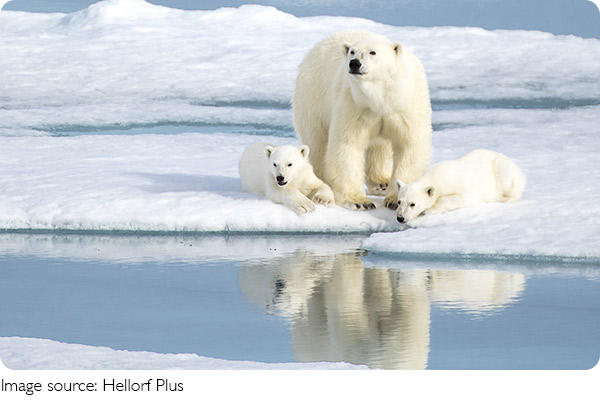
Polar bears survive the Arctic cold through a combination of extraordinary adaptations. Their layered fur, insulating blubber, specialized paws, compact body shape, efficient metabolism, and energy-saving behaviors work together like a perfectly designed survival system.