Landing at Neko

Mukesh Kumar
| 14-07-2026
 · Travel team
Few destinations feel as remote as Neko Harbor, one of the rare locations on the Antarctic Peninsula where visitors can actually set foot on the Antarctic mainland.
Surrounded by towering glaciers, floating icebergs, and snow-covered mountains, the harbor offers far more than dramatic scenery.
It is also home to thriving gentoo penguin colonies and provides a close look at the constantly changing glacial landscape that defines this extraordinary region.
Neko Harbor
Choose the Right Expedition and Understand the Journey
Unlike most destinations, Neko Harbor cannot be visited independently. Access is only possible aboard expedition cruise ships operating in the Antarctic summer.
Most voyages depart from Ushuaia, Argentina, after passengers fly into Buenos Aires. From Ushuaia, expedition ships cross the Drake Passage, a journey that usually takes about two days each way, depending on sea conditions.
Because the crossing occupies several days, the shortest practical Antarctic itinerary is usually 10 to 11 days, while 12 to 14-day cruises allow greater flexibility for weather and additional landing sites.
The Antarctic visitor season runs from late October through March.
Each month offers a different experience.
November brings fresh snow, dramatic ice formations, and active penguin nesting.
December and January provide the longest daylight hours, with temperatures commonly ranging from -2°C to 5°C, making them the most popular months.
February and early March often offer excellent wildlife viewing as penguin chicks become more active and seasonal sea ice reaches its lowest extent.
No expedition can guarantee a landing at Neko Harbor. Every decision is made by the expedition leader based on wind, glacier activity, sea ice, and landing conditions on the day of arrival. Travelers should view Neko Harbor as a potential highlight rather than a guaranteed stop.
Expedition prices vary significantly according to cabin category and itinerary length.
As a general guide:
• Standard cabins usually begin around US$6,000–9,000.
• Mid-range cabins commonly range between US$10,000–15,000.
• Premium suites may exceed US$18,000.
Many operators include accommodation, meals, guided excursions, waterproof boots, lectures, and Zodiac landings within the cruise fare, while flights to Argentina and travel insurance are normally additional expenses.
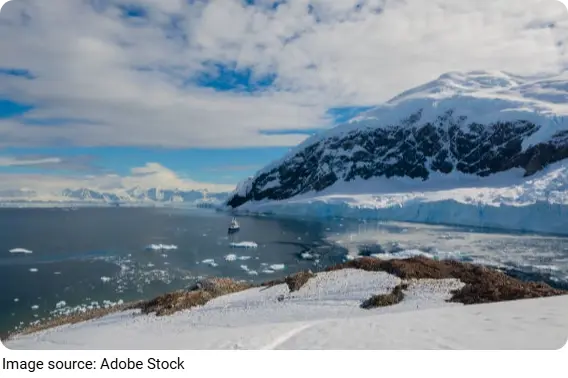
As the ship slowly enters Andvord Bay, towering glaciers descend directly into the sea while floating icebergs drift silently past the vessel. The scale is difficult to appreciate until you see cliffs of blue ice rising hundreds of meters above calm polar water.
Prepare for the Landing and Make Every Minute Count
If conditions allow, passengers travel ashore aboard inflatable Zodiac boats carrying small groups from the expedition ship.
Landing operations begin early, often shortly after breakfast, whenever weather conditions are most favorable. Expedition staff carefully organize each group, and every visitor receives a safety briefing before leaving the ship.
Once ashore, visitors usually spend one and a half to three hours on land. Although the visit may seem brief, it is carefully managed to minimize environmental impact while providing enough time to explore designated walking routes.
The landing area features gentle snowy slopes leading toward viewpoints overlooking the surrounding glaciers and harbor. Walking is generally not physically demanding, but snow can be uneven, requiring waterproof boots with good grip.
One of the greatest highlights is observing gentoo penguins. During breeding season, people frequently travel between their nesting sites and the shoreline, following well-established penguin highways across the snow. Visitors must always give wildlife plenty of space and never block these natural routes.
Another remarkable feature is the massive glacier overlooking the harbor. Ice occasionally breaks away into the sea through a natural process known as calving. While witnessing this event can be unforgettable, expedition guides carefully position visitors well away from areas where falling ice could generate waves or flying ice fragments.
Weather changes quickly in Antarctica. Bright sunshine may give way to snowfall or strong winds within minutes. Dressing in multiple layers is essential.
A typical clothing system includes:
• Thermal base layer.
• Insulating fleece or down layer.
• Waterproof outer jacket and trousers.
• Warm hat and insulated gloves.
• UV-protective sunglasses, since sunlight reflecting from snow can be extremely bright.
Photography requires patience. Rather than constantly moving between viewpoints, spend time quietly observing the landscape. Clouds drifting across distant peaks, changing light on the glaciers, and the slow movement of icebergs often create the most memorable moments.
Every visitor must also follow strict environmental rules established under the Antarctic Treaty System and the International Association of Antarctica Tour Operators. Boots are disinfected before and after each landing to reduce the risk of introducing non-native organisms, while nothing may be left behind or removed from the continent.
Helpful Planning Tips
• Choose an itinerary of at least 12 days if possible to improve the chances of favorable landing conditions.
• Purchase comprehensive travel insurance that specifically covers Antarctic expeditions.
• Bring extra camera batteries, as cold temperatures reduce battery life much faster than usual.
• Pack waterproof bags to protect electronics during Zodiac transfers.
• Listen carefully to expedition staff, since landing schedules may change quickly in response to weather.
• Including international flights, accommodation before departure, cruise costs, gratuities, and personal expenses, most travelers should budget approximately US$7,500–16,000 or more per person, depending on cabin selection and travel style.
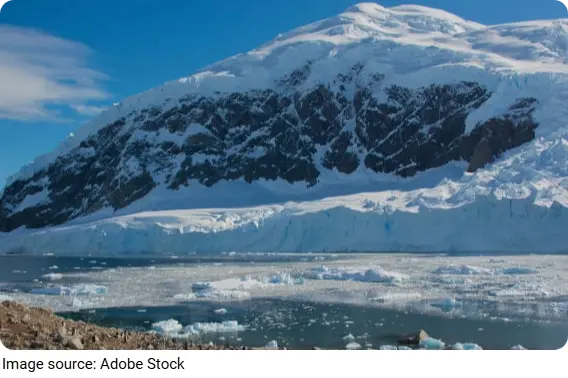
Neko Harbor offers one of the rare opportunities to stand on the Antarctic mainland while surrounded by glaciers, penguin colonies, and some of the planet's most spectacular polar scenery. Although weather determines every landing, careful planning, realistic expectations, and choosing a well-organized expedition greatly increase the chances of an unforgettable experience.