Red Panda Care

Mariana Silva
| 17-07-2026
 · Animal team
Hello, Friends! With their rust-colored coats, masked faces, and enormous fluffy tails, red pandas may seem perfectly suited to a peaceful life among the treetops.
Caring for them, however, involves much more than simply providing bamboo and branches for climbing.
These endangered mammals are adapted to the cool forests and have highly specialized feeding habits. Under professional human care, they also need carefully designed environments that allow them to climb, forage, rest, and express their natural behaviors.
Keeping a Cold-Climate Animal Comfortable
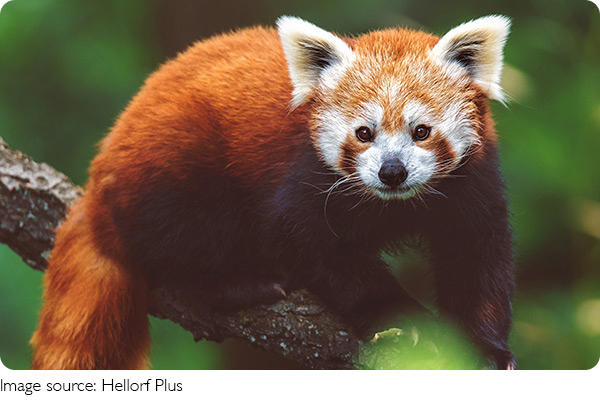
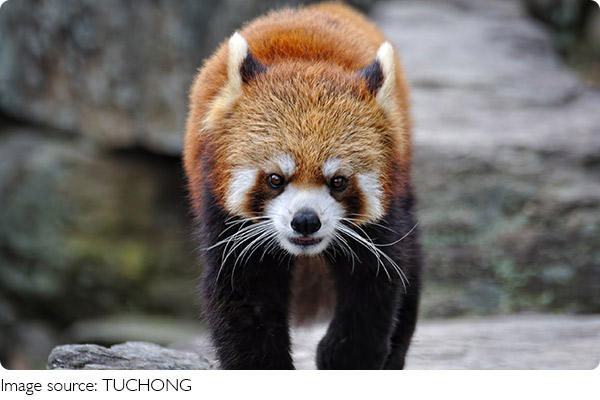
Red pandas naturally inhabit temperate forests, where cool conditions are common. Their dense fur, including hair covering the soles of their feet, provides valuable insulation in cold environments. Heat presents a greater challenge.
When temperatures rise, professionally managed facilities provide access to cooler indoor spaces, shade, ventilation, and fresh drinking water. Some habitats also use misting systems and cool resting surfaces to create comfortable microclimates.
Keepers pay close attention to individual behavior during warm conditions. A red panda that normally explores but suddenly becomes unusually inactive may require closer observation. Giving the animal freedom to move between warmer and cooler areas allows it to regulate its own comfort whenever possible.
Bamboo Is at the Center of the Daily Menu
Although red pandas belong to the order Carnivora, their diet is remarkably specialized around bamboo. In the wild, they spend considerable time selecting nutritious leaves and tender shoots.
Bamboo is relatively low in usable energy, so red pandas must consume substantial quantities while conserving energy through long periods of rest. In professional care, fresh bamboo is therefore offered regularly, with keepers monitoring which varieties and plant sections each animal prefers.
Additional foods may be provided according to carefully managed nutrition plans. Specialized biscuits and small portions of fruits can be useful for enrichment or training rewards, but they do not replace the importance of the primary diet. Food intake is also valuable information. Changes in appetite can provide an early indication that an individual needs closer health monitoring.
A Habitat Designed for Climbing and Resting
A suitable red panda habitat needs vertical complexity. These animals are skilled climbers equipped with curved claws and flexible ankle joints that help them move through trees and descend trunks headfirst. Their long tails provide balance while crossing narrow branches high above the ground.
For this reason, habitats typically contain elevated platforms, logs, branches, sheltered dens, and multiple pathways at different heights. Giving red pandas choices about where to climb, sleep, hide, and observe their surroundings encourages natural movement.
Their daily schedule matters as well. Red pandas are often particularly active around dawn and dusk, so access to stimulating spaces during these periods can match their natural activity patterns.
Enrichment Turns Feeding Into a Challenge
Simply placing every food item in a bowl would remove much of the searching and problem-solving that animals experience naturally. Instead, keepers can hide selected foods inside puzzle feeders or distribute them throughout different areas. A red panda may need to manipulate an object, climb to a particular location, or investigate several places before finding a reward.
Enrichment does not always involve food. New scents, rearranged climbing structures, unfamiliar objects, and access to different habitat areas can encourage investigation. The key is variety. An object that fascinates one individual may be completely ignored by another. Effective care therefore requires keepers to understand each animal's personality rather than following exactly the same routine for every red panda.
Training That Makes Healthcare Less Stressful
One of the most important aspects of professional red panda care happens through voluntary husbandry training. Using positive reinforcement, keepers can teach red pandas to respond to their names, move to particular locations, step onto scales, enter transport crates, or position their bodies for inspection. Successful participation is rewarded with preferred food.
These behaviors have practical medical benefits. Regular weighing helps teams detect subtle changes in body condition, while comfortable crate training allows an animal to be transported more easily when veterinary attention is required.
Some individuals can even be conditioned to remain calm during procedures such as injections. Because participation is voluntary, training sessions are structured around cooperation rather than physical force. This approach can reduce stress while allowing veterinary teams to perform certain routine procedures efficiently.
Caring for Individuals, Not Just a Species
Red pandas share characteristic behaviors, but their personalities can differ considerably. One may eagerly investigate every new enrichment item, while another approaches unfamiliar objects cautiously. Some respond enthusiastically to particular food rewards, whereas others have completely different preferences.
Experienced keepers learn these individual patterns through daily observation. Knowing what is normal for a particular animal makes it easier to recognize subtle behavioral changes that could signal discomfort, illness, or stress. This attention to individuality is one reason daily observation remains such an important part of animal care, even alongside modern veterinary technology.
Why Professional Care Also Supports Conservation
Red pandas are classified as Endangered, with wild populations threatened primarily by habitat loss and fragmentation, along with other human-related pressures. Carefully managed populations in accredited zoological institutions can therefore contribute to conservation education, scientific research, and coordinated breeding programs.
Observations made under professional care can also improve knowledge of nutrition, reproduction, behavior, and veterinary medicine. Such information can complement field research on a species that is naturally difficult to observe in dense mountain forests.
Caring for a red panda is a detailed balance of environmental management, specialized nutrition, behavioral enrichment, medical preparation, and constant observation. A cool resting place, a carefully positioned branch, or a simple training session may seem like a small part of the day, yet each contributes to the animal's overall welfare.