Keep Veggies Fresh Longer

Camille Dubois
| 13-07-2026
 · Cate team
Hi, Friends! If you have ever opened your fridge only to find wilted greens or soggy cucumbers staring back at you, you know that sinking feeling all too well.
The good news is that storing vegetables properly is not complicated at all. A few thoughtful habits can genuinely make a big difference in how long your produce stays fresh, vibrant, and delicious.
Why Proper Storage Matters So Much
Vegetables are living things even after they are harvested. They keep breathing, releasing moisture, and slowly breaking down. When stored carelessly, that natural process speeds up dramatically. You lose nutrients, texture, and flavor before you even get the chance to enjoy them. Proper storage slows all of that down, which saves you money and makes your meals taste so much better.
Sort Before You Store
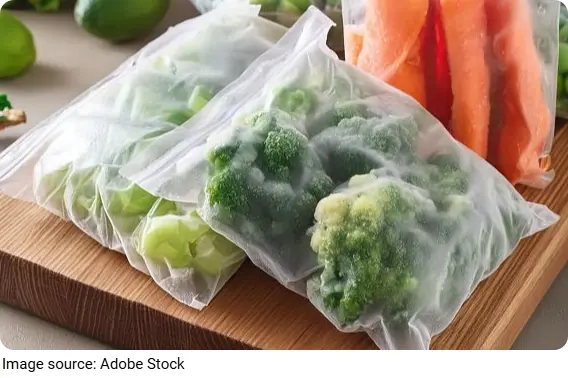
One of the most important habits to build is sorting your vegetables before putting them away. Different vegetables have very different needs, and grouping them incorrectly can actually cause faster spoilage. For example, some vegetables release a natural gas called ethylene as they ripen. Tomatoes, onions, and sweet potatoes are classic examples. If you store ethylene-producing vegetables right next to sensitive ones like leafy greens or cucumbers, those sensitive vegetables will wilt and deteriorate much faster than they should. Keep them separated and everyone stays happier a lot longer.
The Right Temperature for Each Type
Not every vegetable belongs in the refrigerator. Root vegetables like potatoes and sweet potatoes actually do better stored in a cool, dark, and dry place rather than in the fridge. Cold temperatures can change their texture and make them go grainy or develop an odd sweetness. Leafy greens, on the other hand, love the cold and do best wrapped lightly in a dry paper towel inside a sealed bag or container in the crisper drawer. The paper towel absorbs excess moisture and prevents that slimy, sad wilting that happens so quickly otherwise.
Moisture Control Is Everything
Too much moisture and your vegetables rot. Too little moisture and they dry out and go limp. Finding that balance is the real secret to freshness. For most vegetables you store in the fridge, the goal is to keep them slightly dry but not completely dehydrated. Washing vegetables right before you use them rather than before storing is a simple and effective rule. Excess water sitting on the surface of vegetables encourages mold and bacterial growth faster than almost anything else.
Smart Use of Your Refrigerator Drawers
Most refrigerators come with crisper drawers designed to maintain a specific humidity level. High-humidity drawers are great for leafy greens, broccoli, and herbs. Low-humidity drawers work better for fruits and vegetables that need a little air circulation, like peppers and cucumbers. Taking a moment to understand your fridge and use these drawers intentionally really does extend the life of your produce noticeably.
Special Tips for Specific Vegetables
Herbs are delicate and often overlooked. Treat fresh herbs like flowers by trimming their stems and placing them upright in a small glass of water, then loosely covering the leaves with a plastic bag before popping them in the fridge. They can stay fresh and fragrant for well over a week this way. For mushrooms, skip the plastic bag entirely. They need to breathe, so a paper bag in the fridge keeps them from getting slimy. Garlic and onions should stay out of the fridge entirely and be stored somewhere with good airflow to prevent sprouting and softening.
Using Containers Wisely
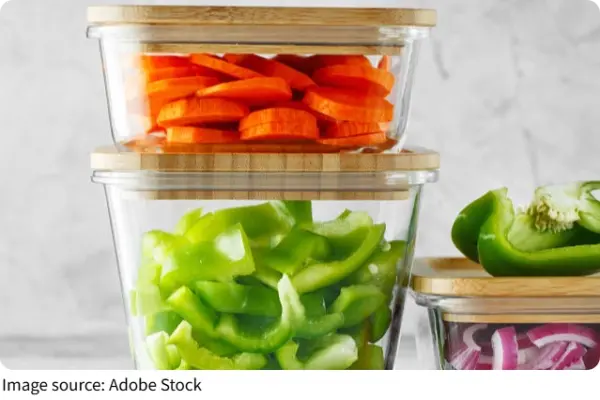
Airtight containers are wonderful for cut vegetables that have already been prepped. Once you slice into a vegetable, its surface is exposed and it starts to lose freshness much more quickly. Storing cut veggies in sealed containers slows that process significantly. A small sprinkle of clean water inside the container with cut carrots or celery sticks can keep them crunchy for days.
Taking care of your vegetables properly is honestly one of those small acts of love you give to yourself and your family. When your produce lasts longer, you eat better, waste less, and feel that quiet satisfaction of a well-managed kitchen. Try these tips this week and see how much of a difference they make for you. You might be genuinely surprised at how much fresher everything tastes and feels!