Rano Raraku Moai Guide

Luca
| 25-08-2026
 · Travel team
Greeting, Lykkers! Welcome to Rano Raraku, the remarkable volcanic crater where most of Rapa Nui's iconic moai statues were carved centuries ago.
This extraordinary site is home to more than 390 moai, with many still resting on the crater's slopes in various stages of completion. It offers an unforgettable glimpse into the craftsmanship and history of the ancient Rapa Nui civilization.
Some statues stand proudly above the ground, while others appear partially buried, creating a landscape unlike anywhere else in the world. Let's explore why Rano Raraku remains one of the most important and unforgettable places to visit on Rapa Nui!
Visiting Rano Raraku offers much more than sightseeing. It provides a closer understanding of how the Rapa Nui people carved, transported, and honored these remarkable monuments centuries ago. Careful planning will help make the experience comfortable and rewarding.
How to Get to Rano Raraku
The journey begins by flying to Mataveri International Airport on Rapa Nui. Regular flights operate from Santiago, Chile, with a flight time of approximately 5.5 hours.
Rano Raraku lies about 18 kilometers (11 miles) northeast of Hanga Roa, the island's only town. Several transportation choices are available:
- Rental car: US$60–100 per day.
- Scooter rental: US$40–60 per day.
- Taxi from Hanga Roa: US$35–50 each way.
- Guided full-day island tour with transportation: US$70–120 per person.
Driving takes around 25 minutes from Hanga Roa. Roads are generally paved until reaching the archaeological area, making access straightforward.
Entrance Fee and Visiting Hours
Rano Raraku is located inside the Rapa Nui National Park, so visitors need the official park admission.
- National Park entrance fee: approximately US$80 for international visitors.
- The ticket normally remains valid for several days and includes access to numerous major archaeological sites across the island, including Rano Raraku and Anakena Beach.
- Rano Raraku may generally be visited only once using the park ticket, so planning enough time for exploration is recommended.
Typical opening hours are:
Daily: 9:00 AM to 5:30 PM
Arriving early in the morning often provides cooler temperatures, softer lighting for photography, and fewer visitors.
Rano a Raraku
Best Time to Visit
Rano Raraku can be visited throughout the year, although weather conditions vary by season.
- The months from October through April generally offer warmer temperatures ranging between 70°F and 80°F (21°C to 27°C). Green hills surrounding the crater create particularly scenic views.
- May through September brings cooler conditions, usually between 60°F and 68°F (16°C to 20°C). Visitor numbers are often lower, making the walking trails feel quieter.
Morning visits usually provide the most comfortable temperatures and excellent visibility before stronger afternoon sunlight develops.
Guided Tours and Nearby Attractions
Although independent visits are possible, many travelers choose a guided excursion to better understand the archaeological importance of the statues.
Typical guided tour prices include:
- Half-day archaeological tour: US$70–90 per person.
- Full-day island highlights tour: US$90–120 per person.
Nearby attractions often included in tours are:
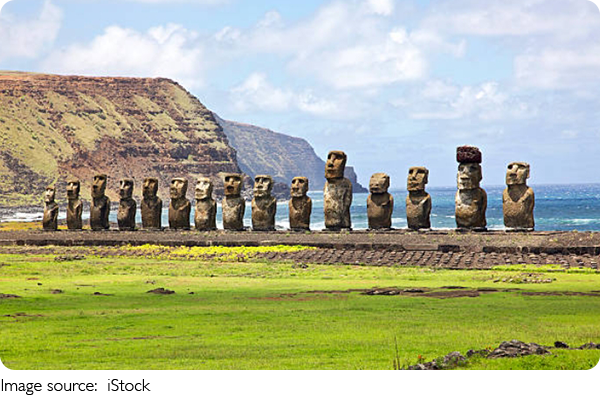
- Ahu Tongariki, the island's largest restored ceremonial platform featuring 15 standing moai.
- Tongariki viewpoint overlooking the Pacific Ocean.
- The coastline features dramatic volcanic scenery and ancient ceremonial sites, offering a remarkable glimpse into the rich history and culture of Rapa Nui.
These locations are only a short drive from Rano Raraku and complement the experience well.
Where to Stay
Since accommodations are concentrated in Hanga Roa, visitors usually stay there and travel to Rano Raraku during the day.
Hotel Altiplanico Rapa Nui:
- Approximate rates: US$180–280 per night.
- Offers ocean views, comfortable rooms, breakfast, and easy access to island tours.
Hotel Taha Tai
- Approximate rates: US$160–240 per night.
- Features a swimming pool, garden setting, breakfast, and a convenient location near Hanga Roa's waterfront.
Booking several months ahead is recommended during the busiest travel periods.
Dining Options Near Hanga Roa
Most restaurants are located in Hanga Roa before or after visiting Rano Raraku.
Te Moana Restaurant
- Main dishes generally cost US$20–40.
- Serves local seafood and island-inspired cuisine in a relaxed atmosphere.
La Kaleta Restaurant
- Typical meals range from US$18–35.
- Known for fresh seafood, Pacific-inspired dishes, and scenic coastal views.
Since dining choices near Rano Raraku itself are very limited, carrying drinking water and light snacks for the excursion is advisable.
Helpful Tips for Visitors
Comfortable walking shoes are recommended because trails include uneven volcanic terrain. A hat, sunscreen, and refillable water bottle are especially useful, as shade is limited throughout much of the quarry. Respect all posted barriers and avoid touching or climbing the statues.
These archaeological treasures are protected as part of a UNESCO World Heritage Site, and preserving them ensures future generations can continue appreciating their historical importance. Photography is permitted for personal use, and sunrise or early morning lighting often produces the most striking images of the moai against the volcanic landscape.
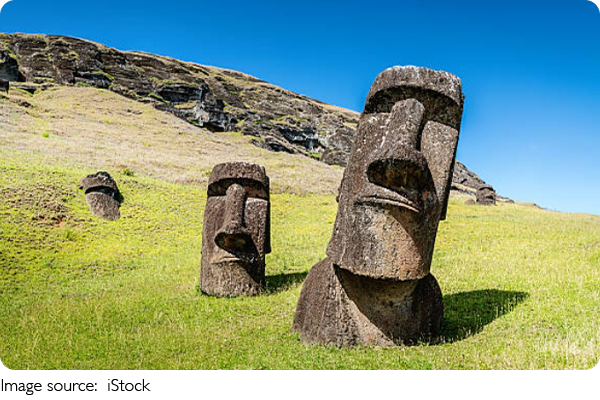
Rano Raraku stands at the heart of Rapa Nui's remarkable history, offering an unforgettable opportunity to see where the iconic moai first took shape. From the impressive volcanic quarry to the hundreds of unfinished and completed statues scattered across its slopes, every corner tells part of the story of the ancient Rapa Nui civilization.