Designing Cities for Bikes

Sofia Alvarez
| 10-07-2026
 · Automobile team
Picture this: you're cruising through the city on your motorcycle, enjoying the freedom of the open road, only to find yourself stuck at an intersection with no dedicated lane, surrounded by honking cars.
The frustration is real. For motorcyclists, navigating city streets often feels like an obstacle course, and with urban areas becoming more crowded, it's becoming more important than ever to rethink how our cities are designed.
By creating environments that better accommodate motorcycles, we can improve safety, reduce traffic congestion, and make commuting more enjoyable. Here's how we can create cities that are truly built for bikes.
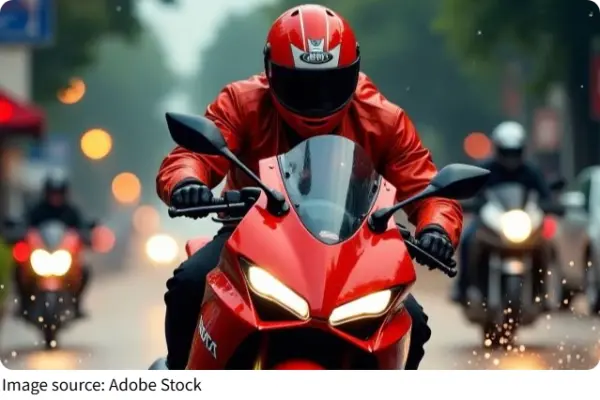
Designing Motorcycle-Friendly Roads
One of the most immediate improvements cities can make to support motorcycles is to rethink road design. Roads that work well for cars don't always work well for motorcycles. By adjusting the layout of streets, we can make them safer and more efficient for bikers.
• Dedicated Motorcycle Lanes:
Just like bicycle lanes, motorcycle lanes can help keep riders safe by separating them from both cars and pedestrians. This also prevents riders from getting stuck in car traffic, which can be dangerous.
Cities like Tokyo have successfully implemented dedicated lanes for motorcycles, improving traffic flow and rider safety.
• Wider Lane Widths:
Many roads are built with narrow lanes that are not ideal for motorcycles. Making lanes wider ensures that motorcycles have more space to maneuver safely, especially when navigating busy intersections or parked cars.
• Improved Road Surfaces:
Motorcycles are more sensitive to road conditions than cars. Ensuring smooth, durable surfaces can help prevent accidents caused by potholes, cracks, or loose gravel. Regular road maintenance is crucial for this.
In some European cities, road surfaces have been improved specifically to accommodate motorcycles, with better materials and smoother finishes, which have reduced accidents caused by poor road conditions.
Smart Parking Solutions for Motorcycles
Motorcycle parking is another often overlooked aspect of urban design. As cities grow, finding a safe and convenient place to park your bike can be a real challenge.
• Designated Motorcycle Parking Zones:
Instead of parking on sidewalks or in places that aren't designated for bikes, cities should create motorcycle-specific parking zones. These should be located near key destinations like office buildings, public transport hubs, and shopping areas.
• Secure Parking Facilities:
Motorcycle theft is a concern in many urban areas. Providing secure, well-lit parking facilities with features like bike locks or surveillance can encourage more people to ride their motorcycles without worrying about theft.
• Space Efficiency:
Motorcycles require less space than cars, so parking lots and garages should make use of this by allocating smaller, more efficient spaces for bikes. This could allow more vehicles to be parked in the same area, easing congestion.
Cities like London have implemented motorcycle parking bays in busy areas, allowing motorcyclists to park closer to their destinations without occupying a car-sized spot.
Motorcycle-Friendly Traffic Signals and Intersections
Motorcycle riders often face challenges at intersections, whether it's waiting longer for traffic lights or navigating congested junctions. By optimizing traffic signals and designing intersections with motorcycles in mind, cities can make the ride safer and smoother.
• Adjusting Traffic Light Timings:
In cities with heavy traffic, motorcycles often take longer to move through intersections, especially at lights that are triggered by car sensors. Adjusting traffic lights so that motorcycles get a green light as soon as possible can reduce wait times and frustration.
• Dedicated Turn Lanes:
Providing dedicated motorcycle lanes at intersections for turning can make it easier for riders to get through crowded areas safely. This reduces the chances of a motorcycle being squeezed by larger vehicles in a busy turn lane.
• Clear Signage:
Clear and visible signage, particularly at intersections, can help motorcyclists navigate the city more confidently. This includes lane merging signs, turn warnings, and reminders to slow down in high-traffic areas.
In some cities, the addition of motorcycle-friendly traffic signals has reduced accident rates at busy intersections, as motorcycles can now move more freely without waiting behind larger vehicles.
Safety Measures for Motorcycle Riders
Safety should always be a priority when designing cities for motorcyclists. By incorporating certain safety measures into urban planning, we can help reduce the risk of accidents and fatalities for bikers.
• Better Lighting at Night:
Motorcycles are smaller and harder to see than cars, especially at night. Ensuring that roads are well-lit, especially in areas with heavy motorcycle traffic, is critical to enhancing visibility and safety.
• Barriers and Guardrails:
Installing flexible barriers or guardrails that are motorcycle-friendly can help prevent accidents. These barriers should be designed to prevent motorcycles from being thrown into traffic in case of a fall.
• Education and Awareness Campaigns:
As cities become more motorcycle-friendly, it's important to educate both motorcyclists and drivers about road safety. This includes awareness campaigns about sharing the road, the importance of wearing protective gear, and tips for both drivers and riders.
Cities like Berlin have implemented both infrastructure improvements and educational campaigns, resulting in a marked decrease in motorcycle-related accidents.
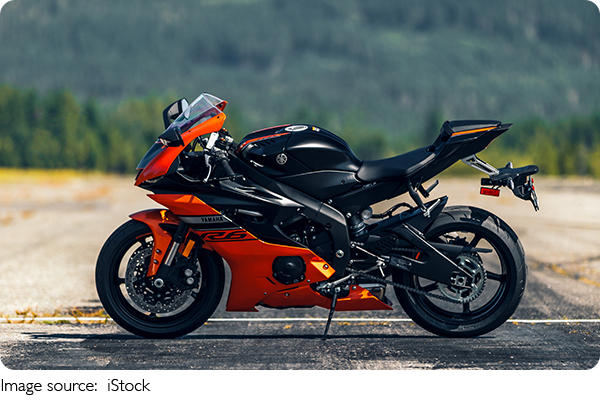
Building Cities for a Better Ride
As motorcycles become an increasingly popular mode of urban transportation, it's clear that cities need to adapt to accommodate their growing presence.
By designing roads with motorcyclists in mind, improving parking solutions, optimizing traffic signals, and ensuring better safety measures, we can create environments where motorcycles thrive. In the end, better urban design doesn't just benefit motorcyclists—it makes the entire city more efficient, safer, and accessible for everyone.