Waterfall Safety Tips!

Nora
| 13-07-2026
 · Travel team
Welcome back, Lykkers! Waterfalls offer breathtaking views, refreshing mist, and the unforgettable sound of rushing water.
While they are beautiful places to explore, they can also present hidden dangers such as slippery rocks, strong currents, and steep cliffs.
A little preparation and awareness can make every visit much safer and more enjoyable. Here are some essential waterfall safety tips to help make every adventure a great one.
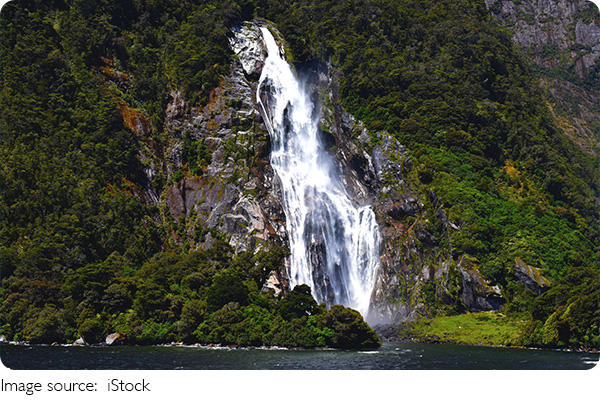
Stay on Marked Trails and Viewing Areas
The safest route to a waterfall is usually the one designed by park managers. Marked trails are carefully planned to avoid unstable ground, hidden holes, loose rocks, and dangerous cliff edges. Stepping off these paths may seem harmless, but even a few feet can place visitors on unstable soil or vegetation that cannot support body weight.
Viewing platforms and designated observation points also provide excellent perspectives while maintaining a safe distance from hazardous areas. Choosing these locations helps reduce unnecessary risk without sacrificing the experience.
Respect Warning Signs and Safety Barriers
Warning signs are based on years of local knowledge and previous incidents, not guesswork. Many waterfalls experience changing conditions throughout the year. Heavy rain upstream can rapidly increase water flow even when the weather appears pleasant at the viewing area. Signs warning against swimming, climbing, or approaching certain sections should always be followed.
Likewise, fences and guardrails are installed where the terrain becomes especially hazardous. Crossing these barriers for photographs or a closer look significantly increases the chance of slipping or falling.
Watch Every Step Around Wet Rocks
Water constantly sprays onto nearby rocks, creating ideal conditions for moss and algae to grow. These natural coatings become extremely slippery, even when the surface appears dry. Proper footwear makes a significant difference.
Hiking shoes or boots with deep, non-slip tread provide much better grip than smooth-soled sneakers or sandals. Walking slowly, keeping both feet firmly planted, and avoiding sudden movements also reduce the risk of losing balance. Whenever possible, use handrails or stable natural supports while moving across uneven terrain.
Keep Away from the Water's Edge
One of the most common causes of waterfall accidents is standing too close to the edge. Fast-moving water can be deceptively powerful. Smooth rock surfaces often become polished over time, making them slippery enough to cause sudden falls. Even shallow streams flowing toward a waterfall can generate enough force to knock someone off balance.
Maintaining several feet of distance from cliff edges, riverbanks, and flowing water is one of the simplest ways to stay safe throughout the visit.
Never Jump or Swim Without Official Permission
Natural pools beneath waterfalls often look inviting, particularly during warm weather. However, appearances can be misleading. Water depth frequently changes due to shifting rocks and sediment. Hidden boulders beneath the surface may cause severe injuries during jumps, while strong underwater currents can trap even experienced swimmers.
Some waterfalls also generate hydraulic currents that continuously circulate water beneath the falls, making escape extremely difficult. Unless swimming is specifically permitted and the area is officially managed for recreational use, remaining out of the water is always the safest choice.
Supervise Children and Pets Closely
Young children are naturally curious and may not recognize environmental hazards. Keeping children within arm's reach prevents them from wandering onto slippery rocks or approaching steep drop-offs. Pets should also remain on a leash, as excited animals may chase wildlife, lose footing, or enter dangerous water unexpectedly. Constant supervision becomes especially important in crowded locations where distractions are common.
Pay Attention to Changing Weather
Weather conditions can transform a safe trail into a hazardous environment within minutes. Heavy rainfall, even many miles upstream, can dramatically increase river levels and waterfall flow through sudden flash flooding. Water may rise without warning, covering trails or creating stronger currents.
Checking the weather forecast before leaving home is essential. If thunderstorms, prolonged rainfall, or flood warnings are expected, postponing the visit is often the safest decision.
Take Photos Without Sacrificing Safety
Capturing beautiful memories should never come at the expense of personal safety. Many accidents occur because visitors focus entirely on their cameras while ignoring where they are standing. Uneven ground, slippery rocks, and cliff edges become much easier to overlook when searching for the perfect angle.
Choose stable locations for photography, remain aware of your surroundings, and avoid climbing onto rocks or barriers simply for a dramatic image. The best photograph is never worth risking a serious injury.
Prepare Before Beginning the Hike
Reaching many waterfalls requires hiking through forests, mountains, or rugged landscapes. Bringing sufficient drinking water, snacks, a small first-aid kit, and appropriate clothing helps ensure a comfortable trip. Mobile phone coverage may be limited in remote areas, so informing someone about your planned route and expected return time provides an extra layer of safety.
Knowing the trail length and difficulty before starting also helps prevent exhaustion or becoming stranded after dark.
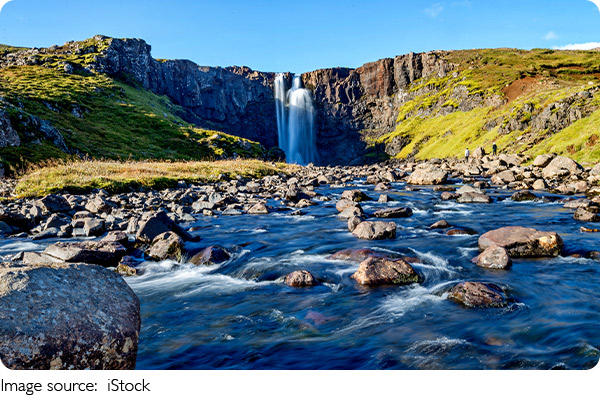
Waterfalls combine breathtaking scenery with powerful natural forces, making them both inspiring and potentially hazardous destinations. Following marked trails, respecting warning signs, wearing suitable footwear, monitoring weather conditions, and staying away from dangerous edges all help reduce unnecessary risks while allowing visitors to fully appreciate these remarkable landscapes.