Waterfall Photo Spots

Hana
| 10-07-2026
 · Travel team
Hi, Readers! Standing near a waterfall feels a little magical, doesn’t it?
There is movement, mist, sound, and that bright rush of water that can look completely different depending on where you stand. If you want photos that feel more striking and more complete, picking the right position matters just as much as camera settings.
A helpful guide from Nikon explains that waterfall photography becomes much stronger when you slow down, study the scene, and work through several viewpoints instead of settling for the first one you see.
One of the first things to think about is how much of the waterfall you want to show. Sometimes the best result comes from stepping back and capturing the whole scene, including the surrounding rocks, trees, and stream. This wider position gives the waterfall a sense of place and helps the image feel balanced. In other spots, moving closer can make the rushing water feel more dramatic and detailed. Both approaches work beautifully, so it helps to try each one before deciding which view tells the story best.
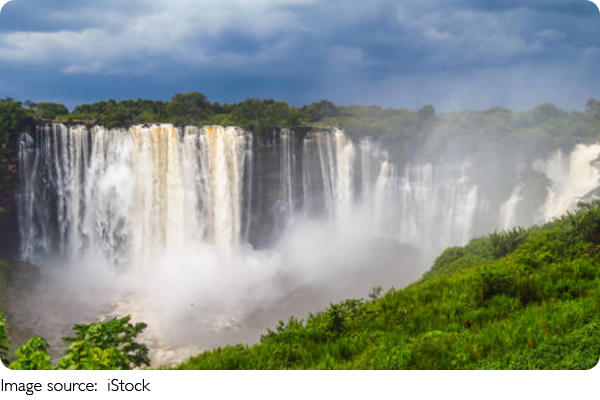
Try the classic front view
A straight-on angle is often the first position people use, and for good reason. It clearly shows the shape of the waterfall and can create a strong, centered composition. If the waterfall has several tiers or a clean vertical drop, this view often delivers a pleasing, reliable image. The Nikon guide encourages photographers to look carefully at the edges of the frame here, making sure no distracting branches or bright patches pull attention away from the water. A small shift left or right can make the composition much cleaner.
Move to the side for depth
Some of the most interesting waterfall images come from a side angle rather than directly in front. When you move off to one side, the scene can start to show more depth, with foreground rocks, flowing water, or riverbanks leading the eye toward the falls. This kind of position can make the photograph feel more immersive. It also helps reveal layers in the landscape that might not be obvious from the center. If there is a safe path or viewing area, it is worth exploring a few side positions to see how the lines and shapes change.
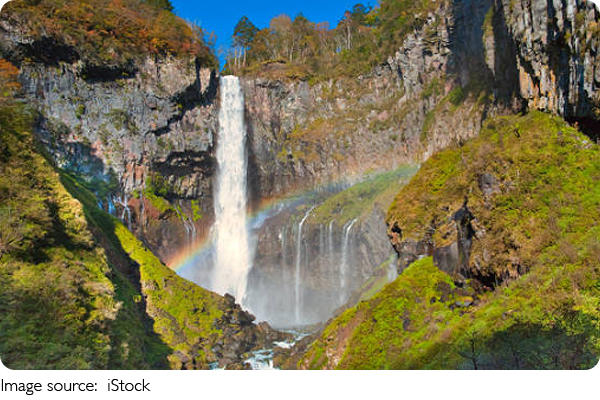
Use foreground elements
A high-success image often includes something in the foreground to anchor the frame. Wet stones, leaves, branches, or the flowing stream below the waterfall can all help guide the eye through the picture. According to the Nikon article, these extra elements can give the image scale and structure, especially when the waterfall itself is partly hidden by mist or distance. Foreground details also help the scene feel less flat. Even a simple rock placed near the bottom of the composition can make a big difference.
Experiment with shutter speed
Waterfalls can look soft and silky or crisp and energetic depending on shutter speed. A slower shutter speed smooths the water and creates that dreamy, flowing effect many people love. A faster shutter speed freezes texture and splashes for a more lively result. Nikon notes that both are valid creative choices, so the best approach is to test different settings and compare. If you want the softer effect in brighter light, a tripod is especially useful for keeping the image steady during longer exposures.
Watch the light and spray
Light changes everything in waterfall photography. Bright sun can create strong contrast and shiny highlights on the water, while softer light often reveals more detail in rocks and foliage. Mist from the waterfall can also affect your lens, so checking the front of the lens often is a smart habit. The article points out that overcast conditions are often very friendly for waterfall images because the light is more even and easier to manage. That can help preserve detail across the scene without harsh bright spots.
Look for vertical and close details
Not every successful waterfall image needs to be a wide landscape. Some waterfalls work especially well in a vertical composition, particularly when the flow is tall and narrow. You can also zoom in on smaller sections of the scene, such as water slipping over rocks or patterns formed in the current. These tighter views can feel more intimate and artistic. Nikon highlights the value of exploring details, because the smaller parts of a waterfall can be just as beautiful as the full view.
In the end, wonderful waterfall photos usually come from patience, curiosity, and trying more than one position. Walk a little, look carefully, and let the scene show you its best angles. If you take time to test a front view, a side view, and a few close details, you’ll give yourself a much better chance of coming home with images you truly love.