Retro SEA Restaurant Decor

Mariana Silva
| 10-07-2026
 · Lifestyle team
Hi, Friends!
You know that feeling when you walk into a restaurant and immediately forget what year it is?
Like the space just reached out, grabbed you by the collar, and whispered, "Relax, you're somewhere better now." That's exactly the magic a well-decorated retro Southeast Asian restaurant pulls off. It's warm, layered, a little nostalgic, and completely irresistible. If you're thinking about designing or refreshing a restaurant in this style, buckle up, because this guide is your roadmap through the jungle of rattan, teak, tropical prints, and glowing lanterns.
Start With the Right Color Palette
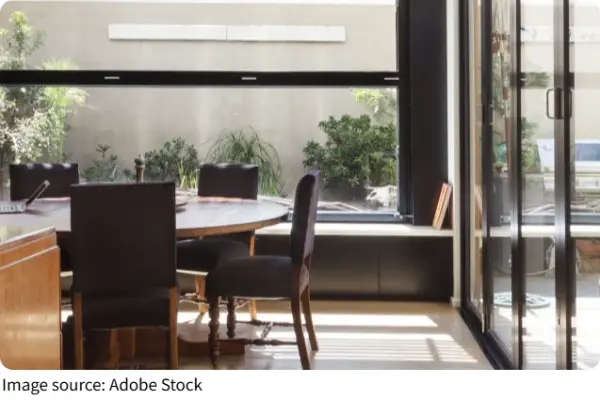
The color story is everything. Retro Southeast Asian interiors don't do bland. The color palette typically features a mix of deep hues such as jade green, indigo, and burgundy, complemented by the natural browns of wood and the lush greens of plant life, reflecting the dense foliage and rich landscapes of the region. Think of it like painting with the rainforest on one hand and a vintage postcard on the other. Walls in deep emerald or muted terracotta set the stage, while pops of gold and cream keep things from feeling too heavy. The goal is a palette that feels like it got a little sun, aged beautifully, and never lost its confidence.
Rattan and Teak Are Your Best Friends
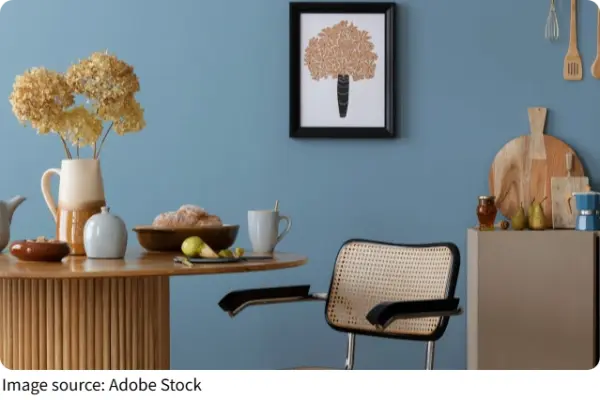
If there's one material that screams retro Southeast Asian, it's rattan, full stop. Woven rattan furniture, batik textiles, temple sculptures, tropical plants, and warm earth tones bring warmth and organic texture, making it excellent for casual, family-friendly, or beach-themed restaurants. Rattan, a material indigenous to Southeast Asia, is valued for its versatility, durability, and lightweight nature, making it ideal for the tropical climate of the region. In Indochine interiors, rattan is often used to craft everything from armchairs and sofas to beds and dining chairs. Pair those rattan chairs with teak wood tables and you've got a combo so naturally good-looking, it practically decorates itself. Opt for comfortable, well-crafted pieces, such as cushioned rattan chairs or teak lounge seats, which ensure guests can enjoy their meal without feeling uncomfortable. Comfort is non-negotiable, because nobody is coming back to a beautiful restaurant that made their back hurt.
Layer in Textiles With Soul
Bare walls and uncovered tables are a missed opportunity in this style. Textures play a crucial role, with rattan, bamboo, and silk interwoven with heavier drapes and plush upholstery, creating an environment that feels both opulent and earthy. Silk, with its luxurious feel and shimmering appearance, plays a pivotal role in adding an element of opulence. Silk textiles are often used in draperies, cushion covers, and upholstery, featuring vibrant colors and intricate patterns, including traditional Southeast Asian designs. Think batik-printed cushions on the seats, sheer curtains that sway a little when the air conditioning kicks in, and table runners with regional motifs. Every textile you add is like a sentence in the story your restaurant is telling.
Let the Woodwork Do the Talking
Intricate carved woodwork is basically the signature autograph of Southeast Asian interior design. Indochine style is defined by its ornate detailing and the incorporation of local materials and artisan techniques. Intricate wood carvings, an art form highly revered in Southeast Asia, became a common decorative element in furniture and fittings. These carvings often featured motifs from local flora and fauna or scenes from traditional folklore. Use carved wooden panels as room dividers, feature them as headpieces above booth seating, or install them as decorative wall art. The furniture in Indochine-style interiors often included both imported European pieces and locally made items that adapted European forms using indigenous materials. Rattan, bamboo, and tropical hardwoods like teak and rosewood were commonly used, offering durability and a rich, natural aesthetic.
Bring the Outdoors In With Tropical Plants
No retro Southeast Asian restaurant is complete without a healthy dose of greenery. Think of plants as the cheapest interior designers on the planet. Plants are integral to achieving the lush feel characteristic of this style. Incorporate a variety of tropical plants such as palms, orchids, or even a small indoor bamboo. These plants do not only serve as decorative elements but also improve air quality and bring a slice of Southeast Asian flora into your space. Position them in corners, on side tables, or in hanging planters to create a natural, refreshing vibe. Leaning into the natural effect of rattan by teaming it with plenty of greenery works particularly well in indoor-outdoor spaces like conservatories, atriums or roof terraces.
Lighting Sets the Mood Like Nothing Else
Lighting in a retro Southeast Asian restaurant should feel warm, layered, and a tiny bit mysterious, like the ambiance is in on a secret with you. If buying lanterns or illuminated artwork, check bulb types (LED recommended), wattage limits, and whether wiring meets local electrical codes. Hang clusters of woven lanterns at varying heights over dining tables. Use warm-toned Edison bulbs to cast that golden hour glow all day long. Avoid harsh overhead lighting like it's an enemy, because it absolutely kills the mood.
Don't Forget the Details That Make It Real
The difference between a restaurant that feels "themed" and one that feels genuinely transported comes down to the small stuff. When choosing decor for your dining space, focus on authenticity, cultural accuracy, and durability to create an immersive experience that resonates with guests. The best options combine traditional motifs, like bamboo, lanterns, or temple-inspired carvings, with high-quality, easy-to-maintain materials such as wood, ceramic, or metal. Vintage ceramic tableware, hand-painted tile accents near the entrance, aged mirrors, and even old regional photography framed on the walls all contribute to that layered, lived-in feeling that no IKEA trip can replicate.
These design principles, when layered together thoughtfully, transform a plain dining room into a destination. A retro Southeast Asian restaurant doesn't just serve food, it offers a full sensory escape. So whether you're starting from scratch or giving an existing space a new personality, let the richness of the region's materials, textures, colors, and craftsmanship do the heavy lifting. Your diners will feel it the moment they walk through the door, and they'll keep coming back for that feeling long after the meal is done. Ready to start designing your own tropical time capsule?