Pops From Exhaust?

Finnegan Flynn
| 10-07-2026
 · Automobile team
Welcome, Readers!
Few automotive sounds grab attention like the pops and crackles coming from a car's exhaust. In many performance cars, these noises are a normal part of the driving experience and are even designed into the exhaust system.
However, unexpected or excessive popping can also be a warning sign of engine or exhaust problems. Knowing what causes these sounds makes it easier to tell the difference between normal performance and a repair that shouldn't wait.

What Causes Exhaust Popping?
Most popping noises originate inside the exhaust system rather than the engine itself. Under normal conditions, the air and fuel mixture burns completely inside the combustion chamber before the exhaust gases leave the engine. However, if a small amount of unburned fuel escapes into the exhaust, it can ignite when it encounters high temperatures or additional oxygen farther down the exhaust system.
This secondary combustion creates the familiar popping or crackling sound. The intensity depends on how much fuel remains unburned, the temperature of the exhaust, and the design of the vehicle's exhaust system. Modern performance vehicles often produce controlled pops intentionally, while mechanical faults can create similar sounds for entirely different reasons.
Mechanical Problems That Can Cause Popping
Unexpected popping often indicates that combustion inside the engine is no longer occurring exactly as designed. One common cause is a worn or faulty spark plug. If the spark is too weak or fails altogether, part of the fuel mixture may leave the cylinder without burning completely. Ignition coil problems can create the same effect by producing inconsistent spark timing.
Leaks in the exhaust system may also contribute. A cracked pipe, damaged gasket, or loose connection allows fresh air to enter the hot exhaust stream. The additional oxygen provides the conditions needed for any remaining fuel to ignite, producing noticeable popping sounds.
Engine management components can also play a role. Oxygen sensors continuously monitor the exhaust and help the engine computer maintain the correct air-fuel ratio. If a sensor sends inaccurate information, the engine may inject more fuel than necessary, creating a rich mixture that increases the likelihood of combustion inside the exhaust instead of the cylinders.
Why Performance Cars Sometimes Pop on Purpose
Not every popping exhaust indicates a problem. Many modern sports cars are intentionally calibrated to produce crackles during deceleration. Performance engine software may briefly delay ignition timing or allow a small amount of fuel to enter the exhaust when the driver lifts off the accelerator. As this fuel ignites inside the exhaust system, it creates the dramatic sounds many enthusiasts enjoy.
Performance exhaust systems further amplify these effects by reducing sound insulation and allowing combustion pulses to travel more freely through the exhaust pipes. These engineered pops are carefully controlled by the vehicle's engine management system and are designed without compromising normal engine operation.
Popping, Backfiring, and Engine Knock Are Different
Although the terms are often used interchangeably, popping, backfiring, and engine knock describe different conditions. Exhaust popping generally produces relatively small crackles or soft bangs from the rear of the vehicle, particularly during deceleration.
A true backfire is much louder and more violent. It occurs when a larger quantity of fuel ignites unexpectedly within the intake or exhaust system. Frequent backfires usually indicate significant ignition or fuel system problems that require immediate diagnosis. Engine knock is another completely separate issue. Instead of coming from the exhaust, it originates inside the combustion chambers.
Knock produces a metallic tapping or pinging sound during acceleration and often results from abnormal combustion caused by incorrect ignition timing, excessive heat, or low-octane fuel. Distinguishing these sounds helps identify the seriousness of the problem.
When Should Drivers Be Concerned?
Occasional pops during spirited driving are generally harmless, particularly if the vehicle was designed to produce them. However, drivers should pay closer attention if popping suddenly begins in a car that has never produced those sounds before.
Repeated popping accompanied by rough idling, reduced performance, poor fuel economy, or an illuminated check engine light often indicates an underlying mechanical issue. Allowing excessive unburned fuel to reach the exhaust system for extended periods can damage the catalytic converter.
This component operates at extremely high temperatures and is designed to process exhaust gases, not continuously burn excess fuel. Overheating can shorten its lifespan and lead to expensive repairs. Early diagnosis often prevents minor ignition or sensor problems from becoming much larger and more costly failures.
Cooling Noises Can Be Completely Normal
Not every pop heard after driving comes from combustion. After the engine is switched off, exhaust components cool rapidly. As the metal contracts, small ticking and popping sounds naturally occur. These noises are simply the result of thermal expansion and contraction and are considered a normal part of vehicle operation.
Unlike combustion-related pops, cooling sounds occur only after the engine has been turned off and gradually disappear as the exhaust reaches ambient temperature.
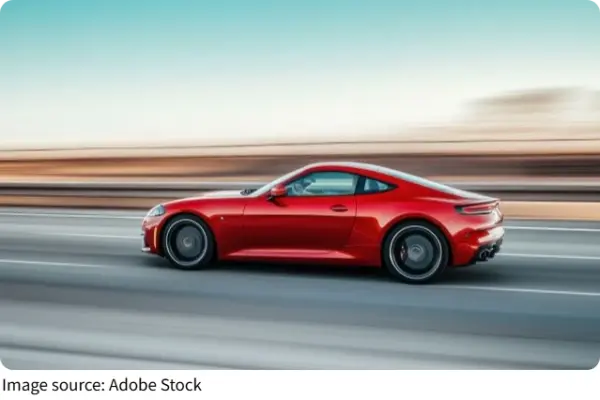
Exhaust popping can have several different causes, ranging from perfectly normal performance tuning to mechanical issues involving the ignition, fuel, or exhaust systems. Understanding when and why these sounds occur makes it easier to distinguish between harmless crackles and warning signs that require professional attention.