Fruit in Salads Done Right

Zoe
| 09-07-2026
 · Cate team
Hi, Readers! If you have ever tossed some strawberries into a bowl of greens and ended up with something that tasted a little off, you are definitely not alone.
Pairing fruit with salads and savory dishes is genuinely one of those skills that looks simple but has a surprising amount of logic behind it. Once you understand the basics, everything clicks into place.

Why Fruit Works in Salads
Fruit brings natural sweetness, acidity, and a juicy texture that can completely transform a salad. The key is contrast. When you pair something sweet like mango or pear with something bitter or peppery like arugula or radicchio, the flavors balance each other out rather than competing. That contrast is actually what makes a well-built fruit salad so satisfying to eat. Without it, the dish can end up tasting flat or one-dimensional.
Matching Fruit to Greens
Not every fruit works with every green, and that is where most people go wrong. Delicate greens like butter lettuce or mixed baby greens pair well with soft, mild fruits such as peaches, raspberries, or sliced figs. These combinations feel light and elegant. Sturdier greens like kale or spinach can hold up to bolder fruit choices like apple slices, pomegranate seeds, or dried cranberries. The texture of both elements needs to feel compatible, otherwise one overpowers the other.
Citrus fruits like orange segments or grapefruit work particularly well with bitter greens because the acidity cuts through the bitterness in a really pleasant way. Berries tend to work across the board because their sweet-tart profile is versatile enough to complement most greens without clashing.
Building the Right Dressing
The dressing is honestly where a lot of fruit salads fall apart. A heavy, creamy dressing can weigh down the fruit and muffle its natural brightness. For most fruit-forward salads, a light vinaigrette is the better move. Something made with lemon juice, olive oil, a small amount of honey, and a pinch of salt tends to enhance the fruit rather than compete with it.
If you are using richer fruit like avocado or roasted stone fruits, you can lean into a slightly creamier dressing, but keep it light. Balsamic reductions work beautifully with strawberries and stone fruits, adding depth without heaviness. The rule of thumb is to let the fruit do most of the flavor work and use the dressing to tie everything together.
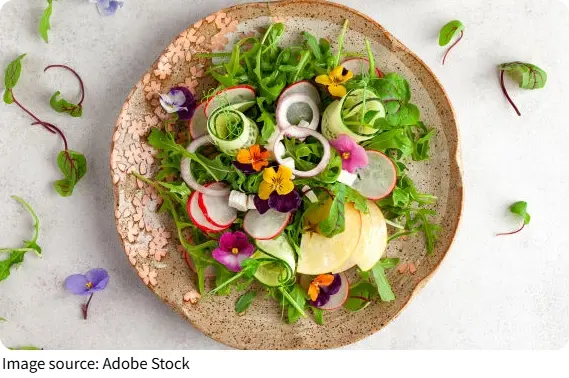
Adding Texture and Savory Elements
A great fruit salad almost always has a crunchy element. Toasted nuts are one of the most reliable options here. Walnuts, pecans, and almonds all add a satisfying bite that keeps the salad from feeling too soft. Pumpkin seeds are another solid choice if you want something a little lighter.
Cheese is another game-changer. Crumbled feta, goat cheese, or blue cheese adds a salty, tangy note that plays off the sweetness of the fruit in a really compelling way. This savory-sweet combination is part of what makes fruit salads feel like a complete dish rather than just a side.
Herbs are often overlooked but make a meaningful difference. Fresh mint adds coolness that works especially well with melon and berries. Basil pairs surprisingly well with strawberries and stone fruits, and its slightly sweet, slightly savory flavor bridges the gap between the fruit and any other elements on the plate.
Using Fruit in Savory Dishes Beyond Salad
Fruit is not limited to salads, either. Mango salsa works beautifully alongside grilled fish or chicken because the sweetness balances the char and seasoning. Sliced pears or apples can be layered into grain bowls for texture and contrast. Dried fruits like raisins or apricots add complexity to roasted vegetable dishes without requiring much effort.
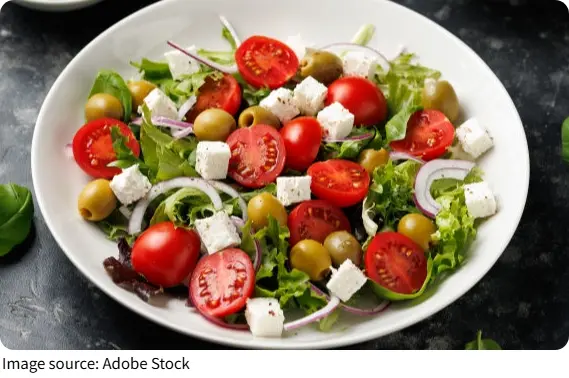
The logic is the same across all of these applications: fruit works best when it is paired with something that offers contrast, whether that is bitterness, saltiness, crunch, or richness.
Getting fruit pairings right comes down to understanding balance, texture, and contrast. Start with a green or base that has a distinct flavor, choose a fruit that offers something complementary or contrasting, add a crunchy element, and build a dressing that enhances rather than overwhelms. Once you have that framework in place, the combinations are practically endless. Give it a try with whatever fruit is in season right now, and see what works best for your taste!