Visiting Ranthambore Park

Raghu Yadav
| 11-07-2026
 · Travel team
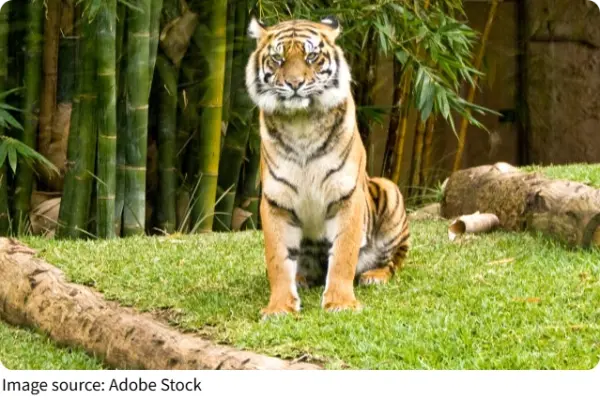
Welcome, Lykkers! Ranthambore National Park is one of India's most famous wildlife destinations, attracting nature lovers and photographers from around the world. Located in the Sawai Madhopur district of Rajasthan, the park is best known for its population of Bengal tigers, although visitors may also encounter leopards, sloth bears, striped hyenas, marsh crocodiles, and hundreds of bird species.
Covering more than 500 square miles, Ranthambore combines dry forests, open grasslands, rocky hills, and ancient ruins, creating a spectacular landscape for wildlife viewing. Whether you are planning your first safari or returning for another adventure, careful planning will help you enjoy a memorable visit.
How to Get to Ranthambore National Park
The nearest town to the park is Sawai Madhopur, which serves as the main gateway for visitors.
By Air: The closest airport is in Jaipur, approximately 110 miles from the park. From Jaipur, travelers can hire a private taxi or take a train to Sawai Madhopur. A private taxi typically costs US $40–70 per vehicle, while the journey takes about three to four hours, depending on traffic.
By Train: Traveling by train is one of the most convenient and budget-friendly options. Sawai Madhopur Railway Station is well connected with major cities such as Delhi, Mumbai, Jaipur, and Agra. Train fares vary depending on the class of travel. Expect to pay approximately US $4–10 from Jaipur, US $8–25 from Delhi, and US $15–40 from Mumbai. From the railway station, a taxi or auto-rickshaw to most hotels or the park entrance generally costs around US $2–8.
By Road: Visitors traveling by road can reach Ranthambore through Rajasthan's well-maintained highway network. Renting a private car or hiring a taxi from Jaipur usually costs between US $40–70, while shared buses are available for approximately US $5–12 per person. Road travel offers flexibility and scenic views of the Rajasthani countryside.
Best Time to Visit
The park is generally open from October through June. The cooler months from October to February offer pleasant weather, making safari rides more comfortable. Temperatures during this period are ideal for sightseeing, although animals may sometimes be hidden among dense vegetation.
From March to June, temperatures become much hotter, often exceeding 100°F. However, this is considered one of the best times for tiger sightings because animals frequently gather near lakes and waterholes. The park remains closed during the monsoon season due to heavy rainfall and conservation efforts.
Ranthambore National Park
Safari Experience
The highlight of any trip is a wildlife safari. Visitors can choose between shared safari vehicles or larger open buses, depending on availability and personal preference. Safaris usually operate twice a day, once in the early morning and again in the late afternoon. Advance reservations are highly recommended, especially during weekends and peak travel seasons. Booking early increases the chances of obtaining your preferred safari zone and schedule.
Safari fees vary according to vehicle type and visitor category. Expect to spend approximately US $20 to US $45 per person for a shared safari, while private vehicle options can cost considerably more. Remember that wildlife sightings can never be guaranteed. Patience and respect for nature are essential parts of the experience.
Where to Stay
Sawai Madhopur offers accommodations suitable for every budget. Comfortable guesthouses can be found for around US $25 to US $50 per night, while mid-range hotels generally cost between US $60 and US $120. Luxury jungle resorts provide premium facilities such as swimming pools, spa services, guided nature walks, and gourmet dining. Prices for these properties often begin at US $180 per night and may exceed US $400 during the busiest travel periods.
Travel Tips for a Smooth Visit
Wear neutral-colored clothing such as brown, green, or beige to blend into the natural surroundings. Bright colors may disturb wildlife. Carry a hat, sunglasses, sunscreen, and a reusable water bottle, especially during the warmer months. Mornings can be surprisingly cool in winter, so a light jacket is recommended for early safaris.
A camera with a zoom lens or a pair of binoculars can greatly enhance your wildlife experience. Since animals often remain at a safe distance, magnification helps capture memorable moments. Always follow the instructions of your safari guide. Avoid making loud noises, feeding animals, or attempting to leave the vehicle inside the park.
Nearby Attractions
Besides wildlife, visitors can explore several historical landmarks nearby. The impressive Ranthambore Fort overlooks the national park and offers panoramic views of the surrounding forests. Built centuries ago, the fort features ancient temples, gateways, and impressive stone architecture.
Other attractions include Padam Talao, the park's largest lake, where crocodiles, deer, and a variety of birds can often be seen. Jogi Mahal, located near the lake, is another popular viewpoint known for its scenic surroundings.
Ranthambore National Park offers an unforgettable combination of wildlife, history, and natural beauty. From exciting tiger safaris to peaceful lakes and historic fortresses, every visit promises a unique experience. By planning transportation in advance, choosing the right season, booking safaris early, and respecting the park's conservation rules, travelers can enjoy one of India's finest national parks while creating lasting memories of Rajasthan's incredible wilderness.