Sports Car Insurance Tips!

Yuna
| 14-07-2026
 · Automobile team
Hi Readers! Imagine finally owning the sports car you have always dreamed about — the deep sound of the engine, the instant acceleration, and the feeling of being behind the wheel of a machine built for excitement.
However, before taking your performance vehicle onto the open road, there is one important detail that deserves attention: insurance.
Sports car insurance is not simply a more expensive version of regular auto coverage. It is a specialized category influenced by vehicle performance, repair costs, driver history, and even where the car is stored. Understanding these factors can help you protect your investment while avoiding unnecessary expenses.

Why Sports Car Insurance Is Different From Standard Auto Insurance
At its foundation, sports car insurance works like traditional vehicle insurance. You choose a policy, pay a premium, and receive financial protection against certain risks, including accidents, theft, and vehicle damage. However, insurers evaluate sports cars differently because these vehicles often represent a higher financial and safety risk.
Sports cars are typically designed with powerful engines, lightweight structures, advanced technology, and performance-focused components. Vehicles from brands such as Lamborghini, Bugatti, and McLaren are examples of high-value performance cars, while models like the Ford Mustang, Chevrolet Corvette, and Chevrolet Camaro bring sports-car characteristics to a wider audience.
Although these vehicles offer exceptional driving experiences, insurers recognize that they can create larger claims. A collision involving a performance vehicle may require specialized technicians, rare replacement parts, or manufacturer-specific repairs. Even a minor accident can result in a costly repair bill compared with an ordinary sedan.
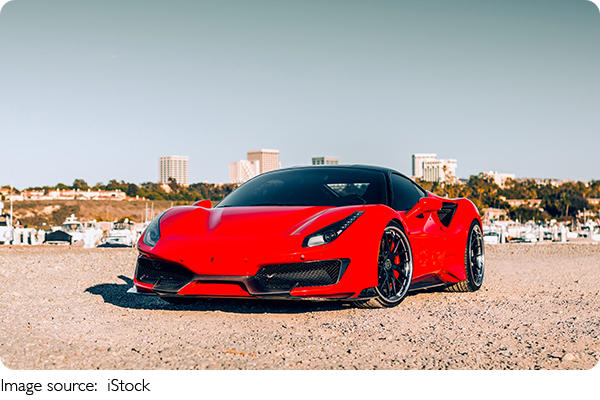
Loretta Worters, chief executive of Media Relations at the Insurance Information Institute (Triple-I), states that factors such as a vehicle's make and model are among the primary determinants of auto insurance premiums. She also notes that the common belief that red vehicles cost more to insure is a myth and is not supported by insurers' pricing practices or statistical evidence.
The Main Factors That Influence Sports Car Insurance Rates
Insurance companies do not assign prices randomly. They analyze multiple details to estimate the possibility of a claim and the potential cost of repairing the vehicle.
Vehicle Performance and Specifications
The design and capabilities of a sports car have a major effect on insurance pricing. A vehicle with a larger engine, higher horsepower, and advanced performance systems is generally considered more likely to be driven aggressively. Powerful acceleration and higher top speeds may increase the possibility of speeding violations or serious accidents.
Insurers usually consider:
Vehicle value: Expensive models cost more to replace after theft or major damage.
Engine performance: Vehicles with greater power output often receive higher risk classifications.
Repair complexity: Carbon fiber components, specialized suspension systems, and premium technology can significantly increase repair costs.
Safety features: Modern driver-assistance systems may help reduce some risks, depending on the insurer’s evaluation.
Driver Profile and Personal Risk History
The person behind the wheel is just as important as the vehicle itself. Insurance providers examine age, driving experience, claims history, and driving habits when calculating premiums. Younger drivers often face higher rates because statistics show they are more likely to be involved in accidents. Combining limited driving experience with a high-performance vehicle can create an even greater risk assessment.
A clean driving record can make a significant difference. Drivers who avoid speeding tickets, reckless driving violations, and frequent claims are generally viewed as safer customers. Credit history may also influence insurance pricing in many regions. A stronger financial profile can sometimes help drivers qualify for better rates because insurers associate responsible financial behavior with lower claim risks.
How You Use Your Sports Car Matters
A sports car used occasionally for weekend enjoyment may receive different treatment compared with one used for daily commuting. Many owners classify performance vehicles as recreational cars. These vehicles may spend most of their time stored securely and only come out for special occasions, road trips, or leisure drives. Limited mileage can reduce exposure to accidents and may help lower insurance costs.
Location Can Change Your Insurance Price
Where you live and store your sports car also affects your premium. Insurance providers consider local conditions such as theft rates, traffic congestion, weather patterns, and accident frequency.
A high-performance vehicle parked in an area with frequent vehicle theft may cost more to insure than the same model kept in a secure location with lower crime rates. Storage choices can also matter. A locked garage, security system, or specialized vehicle protection may reduce certain risks and demonstrate responsible ownership.
Important Types of Coverage for Sports Cars
Because sports cars often represent a significant investment, choosing the right protection is essential.
Liability Coverage
Liability insurance protects you financially if you cause injuries or property damage to another person during an accident. Most regions require drivers to carry a minimum level of liability coverage.
Collision Coverage
Collision coverage helps pay for repairs to your own vehicle after an accident, whether you hit another car, a barrier, or another object. Since sports cars can have expensive body panels, engines, and specialized components, this coverage is especially valuable.
Comprehensive Coverage
Comprehensive insurance protects against non-collision events such as theft, vandalism, storms, fire, or falling objects. For rare or expensive performance vehicles, comprehensive protection can provide important financial security.
Uninsured and Underinsured Motorist Protection
Not every driver carries enough insurance to cover a serious accident. This protection helps cover your losses when the responsible driver has insufficient coverage or no insurance at all.
Custom Parts and Equipment Coverage
Many sports car owners personalize their vehicles with upgraded wheels, custom paint, performance modifications, premium audio systems, or specialty equipment. Standard policies may not fully cover these additions.
Smart Ways to Reduce Sports Car Insurance Costs
Owning a performance vehicle does not mean you must accept the highest possible premium. Several strategies may help control costs:
- Maintain a clean driving history.
- Compare quotes from multiple insurers because pricing methods vary.
- Consider limiting annual mileage if the car is not your daily vehicle.
- Install approved security equipment.
- Choose coverage limits carefully based on your vehicle’s actual value and your financial situation.
- Ask about discounts for safe driving courses or multiple insurance policies.
Readers, if you own or plan to purchase a sports car, take a moment to evaluate how you use the vehicle, what risks matter most, and which coverage options match your lifestyle. The right insurance policy does not take away from the excitement of ownership — it helps you enjoy every drive with greater confidence.