Top High-Fiber Fruits to Eat

Chris Isidore
| 21-07-2026
 · Cate team
Hi, Readers! If you have ever wondered why nutritionists keep nudging people toward whole fruits instead of juices, fiber is a big part of the answer.
Dietary fiber supports digestion, helps regulate blood sugar, and keeps you feeling full longer. The good news is that many fruits you already enjoy happen to be excellent sources of it.
Let's go through the ones that stand out the most.
Avocado
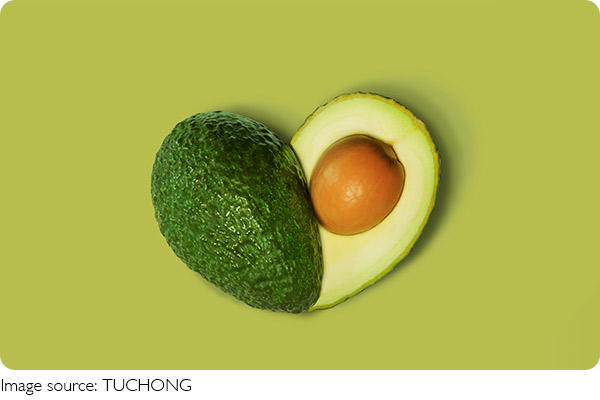
Avocado is one of the most fiber-dense fruits available, delivering around 10 grams of fiber per whole fruit. It is also rich in healthy monounsaturated oils, which support cardiovascular health. Whether spread on toast or blended into a smoothie, avocado earns its reputation as a nutritional powerhouse.
Guava
Guava provides roughly 9 grams of fiber per cup and is also packed with vitamin C. The skin of the guava contains a significant portion of its fiber, so eating it whole is the most beneficial approach. Its slightly tangy flavor makes it a refreshing snack on its own.

Raspberries
Raspberries are among the highest-fiber berries, with about 8 grams per cup. They are low in natural sugars, which makes them a smart choice for anyone watching their glycemic intake. Toss them into oatmeal, yogurt, or eat them straight from the bowl.
Blackberries
Blackberries follow closely behind raspberries, offering around 7.6 grams of fiber per cup. They are also rich in antioxidants and vitamin K. Their deep color signals a strong concentration of polyphenols, which contribute to overall cellular health.
Pears
A medium-sized pear contains approximately 5.5 grams of fiber, especially when eaten with the skin on. Pears have a gentle sweetness that makes them easy to enjoy as a between-meal snack or sliced over a salad. The pectin fiber in pears also acts as a prebiotic, feeding beneficial gut bacteria.
Apples
Apples are a reliable everyday source of fiber, with about 4.5 grams per medium apple including the skin. Like pears, apples contain pectin, which supports gut health and helps lower LDL cholesterol levels over time. A simple, portable, and widely available fruit that delivers consistent nutritional value.
Bananas
A medium banana provides around 3 grams of fiber along with potassium and vitamin B6. Slightly underripe bananas contain resistant starch, a type of fiber that bypasses digestion and feeds healthy gut microbes. They are one of the most convenient fruits to carry around for a quick energy boost.
Oranges
Oranges offer about 3 grams of fiber per medium fruit and are celebrated for their vitamin C content. The white pith just beneath the peel holds a good amount of fiber, so peeling minimally and eating the pith along with the segments is worth doing. Fresh oranges provide noticeably more fiber than orange juice.
Kiwi
Two kiwi fruits deliver around 4 grams of fiber and a surprisingly high dose of vitamin C, even surpassing oranges gram for gram. Research suggests that kiwi may specifically support bowel regularity, making it a useful fruit for those with sluggish digestion. Their bright green flesh and mild tartness make them enjoyable on their own or in a fruit salad.
Mango
One cup of sliced mango provides roughly 2.6 grams of fiber alongside notable amounts of vitamin A and folate. While mango is naturally sweeter and higher in sugar than some other fruits on this list, its fiber content still helps moderate how quickly its sugars enter the bloodstream.
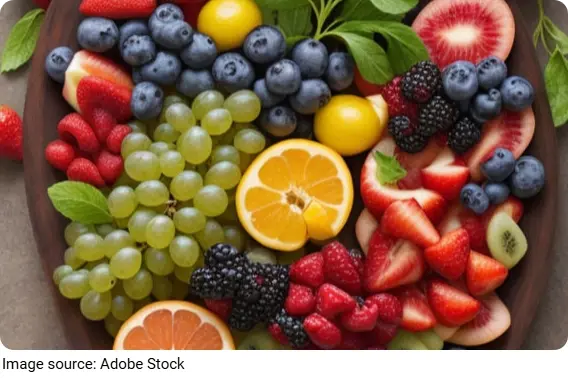
Incorporating a variety of these fruits into your daily eating habits is one of the most straightforward ways to meet your fiber needs without relying on supplements. Each fruit brings its own unique nutrient profile, so rotating between them throughout the week ensures a broader range of vitamins, minerals, and antioxidants. Start small if you are not used to high-fiber eating, and gradually build up to give your digestive system time to adjust. Which one will you try adding first?