Grow Veggies at Home

Simone
| 04-08-2026
 · Cate team
Hi, Friends! There is something truly special about stepping outside your door and picking a tomato you grew yourself.
The color, the smell, the taste -- nothing from a store shelf quite compares. Urban gardening has been quietly growing into a full-blown movement across cities everywhere, and honestly, it is one of the most rewarding things you can bring into your everyday life.
According to the World Health Organization (WHO), adults are encouraged to eat at least 400 g (about five portions) of fruits and vegetables each day as part of a healthy diet.
Why City Folks Are Turning to Gardening
More and more people living in apartments, townhouses, and small urban homes are discovering that you do not need a big backyard to grow your own food. Community gardens, rooftop plots, windowsill planters, and tiny balcony containers are becoming the new normal. People are drawn to homegrown vegetables for so many reasons -- saving money on groceries, knowing exactly what goes into their food, reducing their environmental footprint, and simply enjoying a calming, hands-on hobby that pulls them away from screens.
There is also a beautiful social side to it. Community gardens bring neighbors together in ways that few other things do. You share seeds, swap tips, trade harvests, and build real friendships over rows of lettuce and climbing beans. That sense of connection is something a lot of city residents genuinely miss, and gardening quietly fills that gap.
Getting Started with a Small Space
You really do not need much to begin. A sunny windowsill can support herbs like basil, mint, and cilantro. A balcony with a few large containers can yield tomatoes, peppers, salad greens, and radishes through the warmer months. Even a shared rooftop, with permission and a little organizing, can become a productive community growing space.
The key things to think about when starting out are sunlight, soil quality, and watering consistency. Most vegetables need at least six hours of direct sunlight each day. A good-quality container mix works far better than regular garden soil in containers because it drains well and holds nutrients more effectively. Regular watering helps keep plants healthy, although the ideal watering schedule depends on the type of plant and growing conditions.
Start with easy, fast-growing vegetables if you are new to this. Lettuce, spinach, green onions, cherry tomatoes, and herbs are forgiving and rewarding. They grow quickly, which keeps your motivation up, and they produce enough for regular meals without overwhelming you.
Community Gardens as a Wonderful Option
If you simply do not have outdoor space at home, a community garden plot might be exactly what you need. Many cities have established these shared growing spaces in parks, vacant lots, and public areas. You rent a small plot for the season, and in return you get a proper patch of ground to grow whatever you like.
Community gardens often provide access to shared tools, water sources, and sometimes even compost. The gardeners around you become an informal support network -- experienced growers are usually very happy to share what they know, and beginners always find someone willing to help troubleshoot a struggling plant or recommend a better variety for the local climate.
The Deeper Rewards of Growing Your Own Food
Beyond the practical benefits, there is something quietly healing about tending to plants. Many gardeners describe it as a form of gentle mindfulness -- you focus on what is right in front of you, you slow down, and you notice small changes from day to day. Watching a seedling push through soil and eventually produce something edible feels genuinely meaningful.
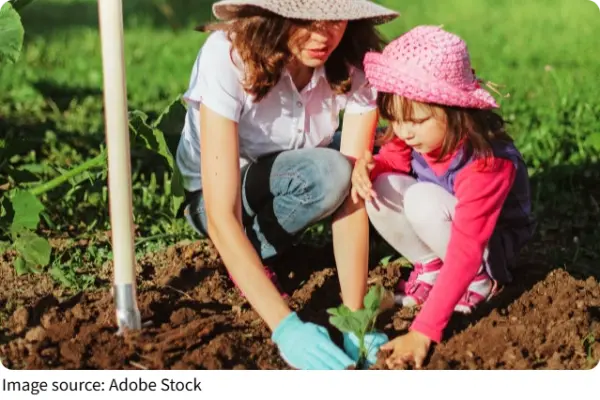
Children especially benefit from being involved in a home garden. It teaches them patience, responsibility, and where food actually comes from. A child who helps grow a carrot is far more likely to eat that carrot with enthusiasm.
Urban gardening also nudges us toward more seasonal, local eating habits. When you grow your own greens, you naturally start planning meals around what is ready to harvest, and that shift in thinking tends to lead to fresher, healthier eating overall.
Whether you start with a single container of basil on your kitchen windowsill or dive into a full community garden plot, the most important step is just to begin. Give it a try this season, be patient with yourself, and enjoy the process. You might just find that growing your own food becomes one of the most satisfying parts of your week!