Pick Fresh Seasonal Veggies

Daniel
| 21-07-2026
 · Cate team
Hi, Friends! There is something truly special about biting into a vegetable that was grown and picked at exactly the right time.
The flavor is deeper, the texture is better, and honestly, the whole experience feels more satisfying. Seasonal vegetables are not just a trendy idea, they are genuinely fresher, more nutritious, and often more affordable.
But how do you actually know which ones are at their peak? Let us walk through some simple, heartfelt guidance together.
Why Seasonal Vegetables Taste Better
When vegetables grow during their natural season, they develop fully under the right temperature and sunlight conditions. This means their natural sugars, flavors, and nutrients reach their highest levels. Out-of-season produce, on the other hand, is often harvested early and ripened artificially during transport, which affects both taste and nutrition. Choosing seasonal vegetables means you are getting the real deal, something that was allowed to grow the way nature intended.

Look at the Color and Appearance
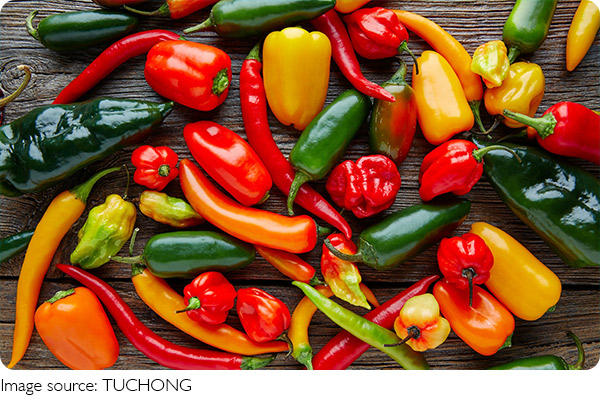
One of the easiest ways to judge freshness is simply to look. Fresh seasonal vegetables have vibrant, rich colors. A ripe tomato in season glows a deep red, leafy greens look bright and lively, and root vegetables feel solid and smooth. If a vegetable looks dull, pale, or wrinkled, it has likely been sitting around too long or was stored improperly. Do not be shy about picking up the vegetable and looking at it closely from different angles.
Feel the Texture
Touch is such an underrated sense when it comes to grocery shopping. Give the vegetable a gentle press or squeeze. Fresh seasonal vegetables feel firm and substantial. Leafy vegetables should feel crisp and slightly springy. If something feels soft, mushy, or too light for its size, those are signs it is past its best. Root vegetables like carrots and radishes should feel dense and solid, never hollow or rubbery.
Smell Is a Powerful Clue
Your nose knows more than you might think. Truly fresh vegetables carry a clean, natural scent, sometimes earthy, sometimes slightly sweet. Herbs and aromatics especially reveal their freshness through their fragrance. If a vegetable has little to no scent, or worse, smells off or overly fermented, it is best to leave it on the shelf. A good sniff at the market can save you a lot of disappointment at home.
Check the Cut Ends and Leaves
For vegetables sold with stems or roots still attached, those exposed ends tell a clear story. Fresh cut ends look moist and clean, while older vegetables have dried or browned ends. The leaves of vegetables like celery, beets, or spring onions should still look green and perky, not wilted or yellowing. These small details are easy to overlook but they make a real difference in what you bring home.
Buy Local and Ask Questions
Visiting a local farmers market is one of the best things you can do for your vegetable shopping experience. Local growers can tell you exactly when something was harvested and how it was grown. Building a friendly relationship with your local vendor means you get honest recommendations and often the pick of the freshest stock. Even at a regular supermarket, looking for labels that indicate local sourcing can help you make smarter choices.
Match Your Shopping to the Season
Every season has its stars. Spring brings tender greens and sweet peas. Summer is full of vibrant tomatoes, cucumbers, and zucchini. Autumn offers hearty squash and root vegetables. Winter gives us sturdy cabbages and kale. When you shop with the season in mind, you naturally gravitate toward produce at its very best. A simple seasonal guide posted in your kitchen or saved on your phone can be a lovely little reminder.
Eating at least 400 g, or five portions, of fruit and vegetables per day reduces the risk of noncommunicable diseases." — World Health Organization (WHO)
Choosing the freshest seasonal vegetables is really about paying attention with all your senses, your eyes, your hands, your nose, and your curiosity. Once you get into the habit, it starts to feel like second nature and even a bit joyful. Next time you are at the market, slow down a little, look closely, and trust what your senses are telling you. Your meals will thank you for it, and so will your body.