Best Low-Cal Veggies for You

Zoe
| 23-07-2026
 · Cate team
Hi, Friends! If you have ever stood in the produce aisle wondering which vegetables are actually worth adding to your plate when you are trying to eat lighter, you are so not alone.
The good news is that some vegetables are genuinely incredible allies when it comes to keeping calories low while still feeling full and nourished. Let us walk through some of the most helpful ones together, because eating well really does not have to feel like a punishment.
According to the World Health Organization (WHO), eating at least 400 grams (about five portions) of fruits and vegetables each day helps reduce the risk of noncommunicable diseases and supports adequate dietary fiber intake.
Cucumber: The Hydration Hero
Cucumber is one of those vegetables that feels almost too good to be true. It is about 96% water, which means it fills you up beautifully without adding many calories at all. A full 100 grams of cucumber contains only around 16 calories. It also contains vitamin K and a little potassium, so it is doing more than just taking up space on your plate. Slice it into salads, dip it in hummus, or just snack on it plain. It is refreshingly crisp and genuinely satisfying.
Spinach: Small Leaves, Big Nutrition
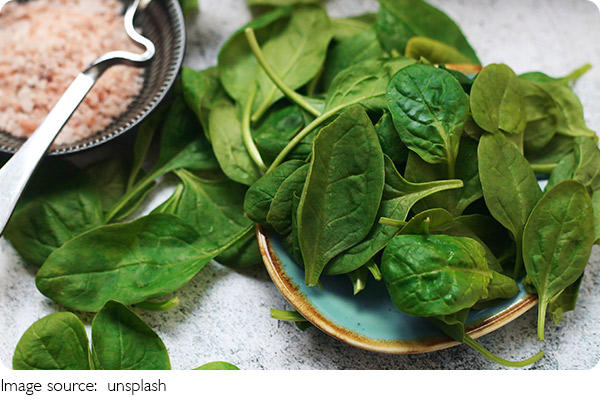
Spinach is a powerhouse hiding in a very humble package. With only about 23 calories per 100 grams, it delivers iron, calcium, folate, and vitamins A and C. It wilts down significantly when cooked, so you can pack a generous amount into soups, stir-fries, or egg dishes without even noticing how much you are eating. Raw in a salad, it adds a gentle, mild flavor that pairs with almost anything. For anyone watching their intake, spinach is genuinely one of the most rewarding choices you can make.
Celery: The Crunchy Low-Calorie Classic
Celery has long been associated with light eating, and honestly, the reputation is well deserved. It comes in at only about 14 calories per 100 grams, making it one of the lowest calorie vegetables you can find. Beyond that, it contains fiber, which helps slow digestion and keeps you feeling fuller for longer. The satisfying crunch it provides also gives your jaw something to do, which can help reduce mindless snacking. Pair it with a light dip or chop it into soups and stews for a lovely texture boost.
Broccoli: Your Fiber-Rich Friend
Broccoli is truly one of the most versatile vegetables out there. At around 34 calories per 100 grams, it delivers a generous amount of fiber, vitamin C, and folate. The fiber content in broccoli is particularly valuable because it supports healthy digestion and helps you feel comfortably full after meals. Roasting it in the oven brings out a nutty, slightly sweet flavor that many people find absolutely delicious. Steaming it keeps more of the nutrients intact. Either way, it is a vegetable that genuinely earns its place on your plate.
Zucchini: The Gentle All-Rounder
Zucchini is mild, tender, and wonderfully low in calories at just around 17 calories per 100 grams. It contains vitamin C, potassium, and a decent amount of water, making it another hydrating choice. One of the most popular ways to enjoy it is spiralized into noodles as a lighter alternative to pasta. It also grills beautifully, bakes well in casseroles, and adds a soft texture to soups. If you are someone who loves hearty meals but wants to reduce overall calorie intake, zucchini is a genuinely clever swap.
Lettuce: More Than Just a Salad Base
Lettuce, particularly varieties like romaine or butter lettuce, is incredibly low in calories, coming in at around 15 calories per 100 grams. While it is often thought of purely as a salad base, lettuce leaves also work wonderfully as wraps for proteins and other fillings. The water content is high, contributing to hydration, and it provides a satisfying crunch. It may not be the most nutrient-dense vegetable on this list, but its versatility and near-zero calorie count make it a genuinely useful kitchen staple.
Tomatoes: Sweet, Tangy, and Surprisingly Light
Tomatoes often get overlooked in low-calorie conversations, but they absolutely deserve a spot here. At roughly 18 calories per 100 grams, they offer lycopene, vitamin C, and potassium. The natural sweetness and slight tang make them incredibly satisfying in a way that heavier foods sometimes are not. Toss them in salads, roast them for a rich, concentrated flavor, or blend them into a light sauce. They bring so much character to a meal for very few calories.
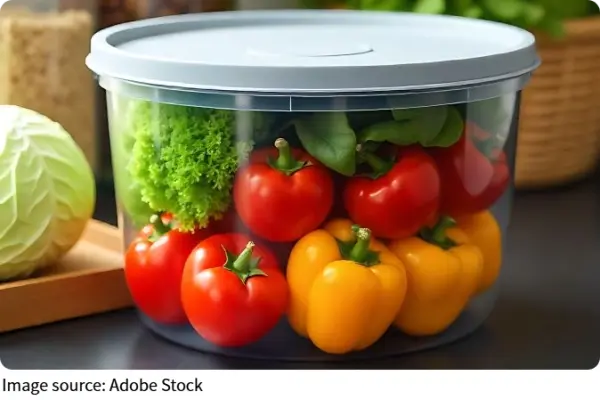
These vegetables are not just tools for eating less. They are genuinely nourishing, delicious, and worth celebrating. If you have been feeling a little overwhelmed about where to start with lighter eating, try slowly introducing one or two of these into your daily meals. Small, consistent changes really do add up, and being kind to yourself through the process makes all the difference. You have got this, truly.