Veggies & Fruits for Kids

Kai
| 23-07-2026
 · Cate team
Hi, Friends! If you have ever sat at the dinner table watching your little one push their greens to the side of the plate, you are absolutely not alone.
Getting kids to embrace vegetables and fruits is one of those parenting moments that can feel both funny and frustrating at the same time. But here is the thing, these colorful foods are truly some of the most powerful gifts we can give our children's growing bodies, and understanding why might just change how your whole family approaches mealtime.
Why Vegetables and Fruits Matter So Much
Vegetables and fruits are packed with vitamins, minerals, dietary fiber, and plant compounds that children simply cannot get enough of from other food sources. According to the World Health Organization, a healthy diet that includes adequate amounts of vegetables and fruits can help protect against many chronic conditions later in life. For kids specifically, these nutrients support healthy brain development, strengthen the immune system, keep digestion running smoothly, and provide the steady energy children need to learn, play, and grow every single day. When kids regularly eat a variety of produce, they are building a foundation of health that will carry them well into adulthood.
How Much Is Actually Enough
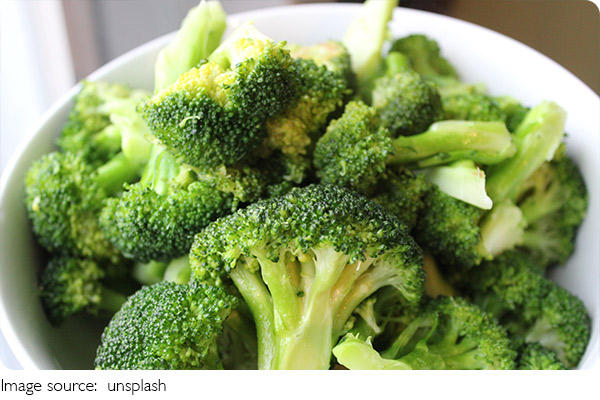
The WHO recommends consuming at least 400 grams of vegetables and fruits per day for good health. For children, this amount is adjusted based on age and body size, but the principle remains the same: variety and consistency matter most. Spreading intake across several meals and snacks throughout the day makes it much easier to reach this goal without overwhelming anyone at the table. Think of it as a colorful puzzle where every piece counts, a handful of berries at breakfast, some carrot sticks at lunch, and a side of steamed broccoli at dinner all add up beautifully.
The Role of Fiber and Natural Sugars
One thing that makes vegetables and fruits so special is their dietary fiber content. Fiber keeps little tummies feeling full, supports healthy gut bacteria, and helps prevent constipation, something every parent wants to avoid. Fruits also contain natural sugars, which are very different from the added sugars found in packaged snacks and sweet drinks. When children get their sweetness from whole fruits rather than processed treats, they are also receiving fiber, vitamins, and hydration all at once. It is a much gentler and more nourishing way to satisfy a sweet craving.
Tips to Help Kids Embrace Produce
Making vegetables and fruits appealing to children is truly an art, and small creative touches go a long way. Here are some gentle, practical ideas that many families have found really helpful. First, involve your child in choosing produce at the market or grocery store. When kids feel ownership over a food, they are far more likely to try it. Second, offer vegetables in different forms, raw with a light dip, roasted until slightly crispy, blended into a colorful soup, or mixed into a favorite pasta dish. Texture and preparation make a huge difference.
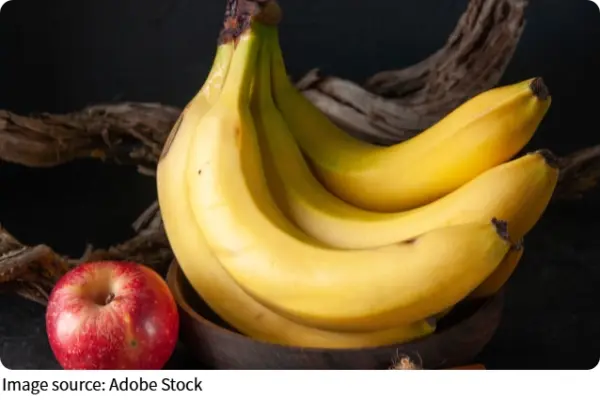
Third, keep fresh fruit visible and within easy reach at home. A bowl of apples or bananas on the counter becomes a natural snack choice. Fourth, try not to force or pressure children to eat certain foods, as this can create negative associations. Instead, keep offering gently and celebrate small wins together.
Reducing Unhealthy Alternatives
One of the most effective ways to increase vegetable and fruit consumption in children is simply to reduce the availability of less nutritious options. The WHO highlights that diets high in free sugars and heavily processed foods are linked to poor health outcomes, while diets rich in whole plant foods are associated with better overall wellbeing. When the snack drawer is filled with fresh produce instead of packaged treats, kids naturally begin to reach for what is available. It is not about being strict or rigid. It is about creating an environment where the healthiest choice is also the easiest one.
Raising children who genuinely enjoy vegetables and fruits is a journey, and some days will be easier than others. But every colorful bite truly adds up to something meaningful. Start small, stay patient, make it fun, and remember that your own enthusiasm for fresh produce is one of the most powerful influences on your child. You are doing a wonderful job just by caring enough to learn more. Keep going, one delicious meal at a time!