Local Eats, Eco Win

Priya
| 27-07-2026
 · Cate team
Hello, Lykkers! Let's talk about that grocery cart of yours.
Every time you toss in a peach that traveled 300 miles, you're basically funding a road trip for a fruit. But when you grab a peach grown just down the road, you're giving a high-five to your neighbor the farmer, slashing the travel budget, and getting a fruit that actually remembers what sunlight tastes like.
Local sourcing is like the wingman of sustainable eating – it shows up, keeps things fresh, and makes everyone look good.
Freshness That Makes Your Taste Buds Dance
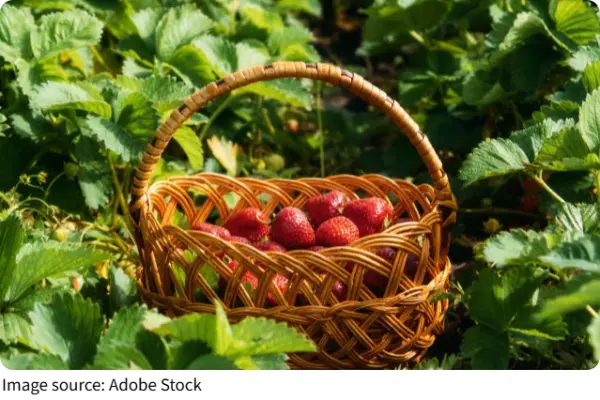
Here's the deal: a tomato picked yesterday and driven 10 miles to a market still has its personality intact. That long-haul supermarket tomato? It's been picked green, gassed into redness, and cold-stored into sadness. Local produce ripens naturally, so you get sweet, juicy explosions of flavor. I've had cherries from a local orchard that made me close my eyes and hum. Plus, you avoid all those plastic clamshells designed to protect produce on its cross‑country journey. Win-win.
Less Gas, More Grass (Good for the Planet)
Food transportation is a huge chunk of our climate footprint. When you buy local, you skip the epic truck convoys, planes, and ships. It's like choosing a bicycle over a monster truck for your groceries. The typical American meal travels about 1,500 miles to reach your plate. By sourcing from farms within 100 miles, you cut that by 90%. That's not just good for the planet – it's like giving your carbon footprint a haircut.
Support Your Farmer, Strengthen Your Community
Every dollar you spend at a local farm market stays closer to home. It creates jobs, supports family farms, and builds a food system that doesn't collapse when a highway truck breaks down. I know a guy who runs a tiny goat cheese operation. When I buy his cheese, I'm not just getting tangy spread – I'm helping his kid afford soccer camp. Local food connects you to real people, not faceless corporations. And you get to chat with the person who actually grew your kale. They might even throw in a free herb.
Eat With the Seasons, Dance With Nature
Local eating forces you to sync up with the seasons. Instead of strawberries in December (which taste like sadness and airfare), you get asparagus in spring, tomatoes in summer, squashes in fall. It's like nature's subscription box – always a surprise, never boring. Seasonality also means fewer chemicals and less storage energy.
The World Health Organization (WHO) notes that healthy dietary patterns can benefit both human health and the environment, reinforcing the value of making thoughtful food choices. Your plates become a colorful calendar.
Practical Tips to Go Local
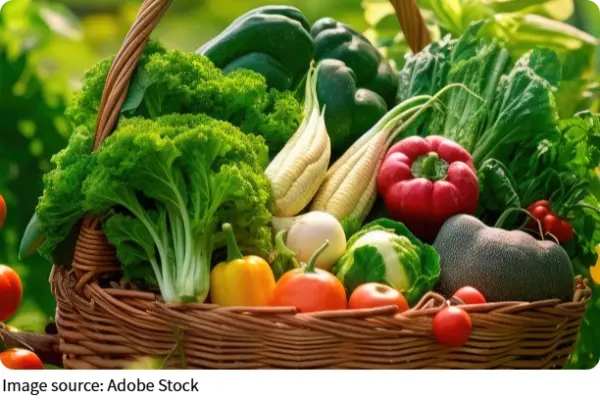
Find your nearest farmers market – most happen on weekend mornings, 8am to 1pm. Prices vary, but a basket of seasonal veggies usually runs around $15 to $25. Many markets accept SNAP or offer discounts. Getting there? Bike, bus, or walk if possible. If you drive, carpool with a friend. Check out local CSAs (Community Supported Agriculture) – you pay upfront for a season's share of a farm's harvest, often $30 to $40 per week for a family box. Some farms even deliver to your doorstep.
Start small. Swap one supermarket run a month for a local market trip. Try a new vegetable you've never seen before – kohlrabi, anyone? You'll feel like a food explorer. And if you mess up a recipe? No stress. The farmer will probably give you tips.
Local sourcing isn't just a trend – it's a quiet revolution. Every purchase is a tiny vote for a food system that's fresher, fairer, and friendlier. So next time you're at the store, look for that "grown nearby" label. Or better yet, skip the store and head straight to the farm. Your taste buds, your wallet, and the planet will all thank you. Happy eating, Lykkers – munch mindfully and spread the crumb.