Packaging Dark Side & Fixes

Hana
| 21-08-2026
 · Cate team
Hello, Lykkers! Let's talk about that innocent-looking plastic clamshell your salad came in.
It looks harmless, but it's basically the environmental equivalent of a clingy ex—it sticks around for centuries, shows up everywhere uninvited, and leaves a messy footprint. Food packaging is a colossal part of our daily waste, from shrink-wrapped cucumbers to those impossibly tiny sauce packets.
Why Packaging Matters
But before you start weeping into your compost bin, I've got good news: you can fight back without moving to a cave and weaving your own baskets.
First, let's wrap our heads around the problem. Most food packaging is designed to be thrown away. About half of the plastic ever produced was made for single use, and a huge chunk of that is food-related. That yogurt cup you tossed this morning? It'll outlive your grandkids. And it's not just plastic—aluminum, glass, and cardboard all have environmental costs from mining, manufacturing, and transportation. Even "eco-friendly" options like compostable plastics often require industrial facilities that most cities don't have. So they end up in landfills anyway, like a well-meaning friend who shows up to help but just stands in the corner eating your chips.
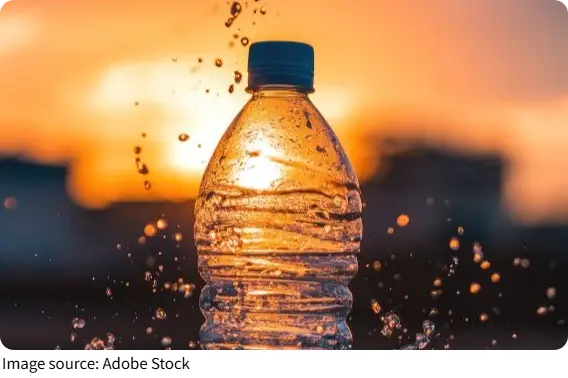
The Usual Suspects: Plastic, Glass, and Aluminum
Plastic is the rock star of bad packaging. It's lightweight, cheap, and durable—which makes it a nightmare for the planet. It breaks down into microplastics that sneak into our water, soil, and even our dinner. Glass feels fancy, but it's heavy to ship, which means more fuel burned and more carbon dioxide. Aluminum is endlessly recyclable, but mining bauxite leaves scars on the landscape. Every material has a dirty secret. The real problem is that we treat packaging as disposable instead of valuable. Imagine if we treated our socks the same way—wear once, toss them. We'd be a nation of barefoot people.
What You Can Do: Small Swaps, Big Impact
Now for the part where you get to be a hero without a cape. Start by noticing how much packaging you actually buy. That bag of pre-chopped onions? You're paying for convenience and a plastic bag. Buy whole onions instead—they last longer, and you get the bonus of looking like a real chef while dicing them. Bring your own produce bags (those mesh ones are light and washable). At the store, choose items in glass or metal when possible—they're more likely to be recycled. And here's a secret: you don't need to wrap everything in a plastic bag. A single cucumber has its own built-in skin. Let it live.
Bulk bins are your friend. Bring your own containers (yes, most stores allow it—just get them tared at the counter) and fill up on rice, pasta, nuts, and spices. The price per pound is often lower too, so your wallet will feel lighter in a good way. Also, start a "packaging challenge" with friends: see who can go a week with the least wrappers. Loser buys coffee. Winner gets bragging rights and a slightly cleaner planet.
Recycling Isn't the Only Answer
Don't get me wrong—recycle everything you can. But remember that recycling is like a bandaid on a broken leg. The real magic happens when we refuse packaging in the first place. That means saying no to plastic straws (you don't need them unless you have a medical condition), skipping the plastic bag for your banana (it has its own skin, remember?), and buying in bulk. Also, check your local recycling rules—many things you think are recyclable (like greasy pizza boxes) actually aren't. They contaminate the whole batch. So toss that pizza box in the compost if you have one, or just enjoy the pizza and accept that the box is going to landfill. It's not your fault the system is messy.
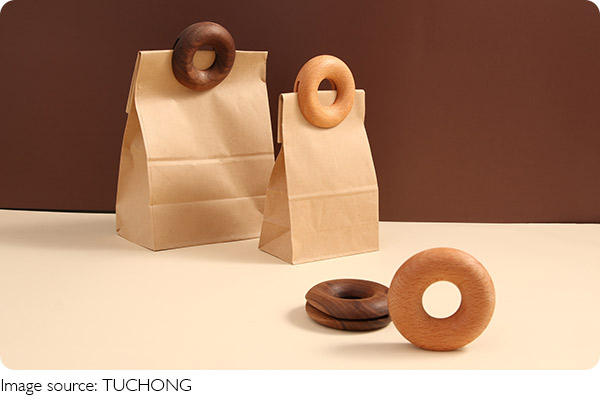
So, Lykkers, the takeaway here is simple: you don't have to become a zero-waste guru overnight. Start with one change. Maybe it's bringing your own water bottle. Maybe it's choosing unpackaged produce. Each time you avoid a piece of unnecessary packaging, you send a signal to companies that we want less stuff to throw away. And if enough of us do that, they'll listen. Because money talks, and when we stop buying wrapped-up nonsense, they'll stop making it. So go forth, unwrap your food, and give the planet a little breathing room. Your future self—and your grandchildren—will thank you. Now, who's up for an unwrapped carrot?