Tomato: Fruit or Veg?

Arvind Singh
| 30-07-2026
 · Cate team
Hi, Readers! Slice into a tomato and it feels so familiar on the dinner table, yet the question keeps coming back: is it a fruit or a vegetable?
The lovely little twist is that both answers can be right, depending on how you look at it. In botany, a tomato is a fruit because it develops from the flower of the plant and contains seeds. In everyday cooking, though, it is treated like a vegetable because its flavor is savory rather than sweet, and it is used in salads, sauces, soups, and many main dishes.
According to the USDA, tomatoes provide several essential nutrients, including vitamin C and potassium.
What botany says
From a plant science point of view, the definition is pretty clear. A fruit is the seed-bearing structure that grows from the flower's base of a flowering plant. Tomatoes fit that description exactly. They form after the flower is pollinated, and inside them are seeds surrounded by soft flesh. By that same logic, cucumbers, peppers, and eggplants are fruits too. This can feel a little surprising because many of us connect fruit with sweetness, but botany is focused on how a plant grows and reproduces, not on taste.
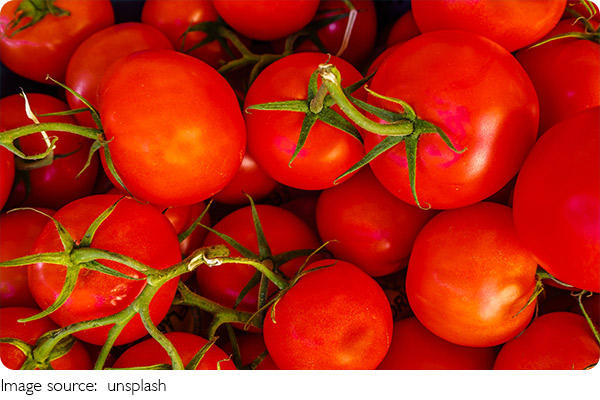
What the kitchen says
In the kitchen, tomatoes live a very different life. They are usually served in savory dishes rather than desserts, so cooks group them with vegetables. You will find them chopped into salads, simmered into pasta sauce, stirred into soups, or layered into sandwiches. This practical food-world category is about flavor, texture, and how an ingredient is used in a meal. So when someone calls a tomato a vegetable while cooking, they are not really wrong. They are just using a culinary definition instead of a botanical one.
Why the confusion lasts
Part of the reason this question never really fades is that science and cooking use different systems. One looks at plant structure, and the other looks at meal use. Tomatoes sit right in the middle of that overlap, which makes them a perfect example of how language changes across contexts. Their juicy flesh, seeds, and growth pattern point to fruit, while their savory role on the plate points to vegetables. That blend is exactly why the debate stays so lively and fun.
A little extra tomato charm
Tomatoes belong to the nightshade family and are widely grown around the world. They come in many forms, from tiny cherry tomatoes to large slicing varieties, and their colors can range from red to yellow, orange, green, purple, and even nearly black. People enjoy them raw, cooked, canned, dried, and turned into sauces. They are also valued for nutrients such as vitamin C, potassium, folate, and vitamin K. Their bright flavor can shift from tangy to rich and sweet depending on the variety and ripeness.

So, where does that leave us? A tomato is botanically a fruit and culinarily a vegetable, and honestly, that double identity is part of its charm. The next time this question comes up at the table, you can smile and say the answer depends on whether you are talking like a botanist or like a cook.