Banana Spot Secrets

Lucas Schneider
| 21-07-2026
 · Cate team
Hi, Readers! Those brown spots on a banana can look a little puzzling at first, but they are usually a simple sign that the fruit is getting riper and sweeter.
As bananas mature, the starch inside them gradually changes into sugar. That shift is what makes the fruit softer, more fragrant, and more pleasant for many people to eat.
Why Bananas Get Spots
So if you have ever picked up a speckled banana and wondered whether it is still good, the answer is often yes.
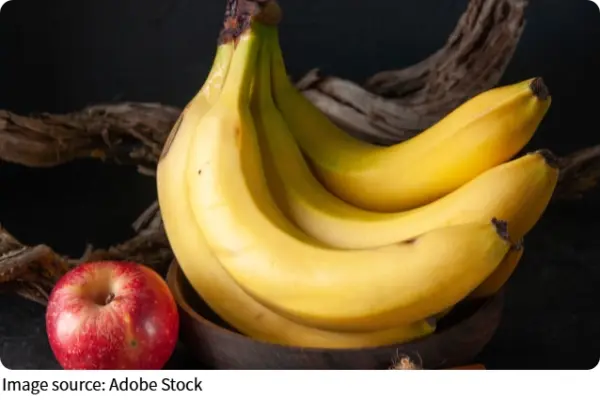
Bananas are the fruit of a very large herb in the genus Musa, and they are usually harvested while still green. After harvest, they continue to ripen. During that process, the peel changes from green to yellow, and then brown spots begin to appear. These spots are part of the natural aging of the fruit. They often show that the banana has moved past its firmer stage and into a softer, sweeter one.
Why the spots appear
Brown specks develop as the banana ripens and the peel breaks down over time. The color change is tied to natural chemical processes in the fruit. A greener banana contains more starch and has a firmer texture. A spotted banana has usually converted more of that starch into sugar. That is why it often tastes richer and feels softer when you bite into it. The peel may look less perfect, but the fruit inside is often at a stage many people enjoy most.
What they mean for taste
If your banana has a few brown spots, it is generally sweeter than a plain yellow one. If it is heavily speckled, the flavor may be even deeper and the texture much softer. This stage works well for smoothies, mashed fruit, or baking, because the banana blends easily and brings more natural sweetness. On the other hand, if you prefer a firmer bite and a milder taste, a banana with fewer spots may suit you better.
When to eat or use it
Brown-spotted bananas are often perfect for everyday eating if the fruit inside still looks fresh and smells pleasant. They are also especially useful in the kitchen. Softer bananas are easier to mash and mix into batters or creamy blends. If the peel has darkened but the inside is still fine, the fruit can still be very useful. What matters most is not the peel alone, but the condition of the flesh inside.
When to be careful
Brown spots are normal, but there is a difference between ripeness and spoilage. If the banana is leaking, has an off smell, or the inside has turned unusually dark and unpleasant, it may no longer be good to eat. A very soft banana is not necessarily bad, but signs of decay should not be ignored. Looking, smelling, and checking the texture are simple ways to decide.
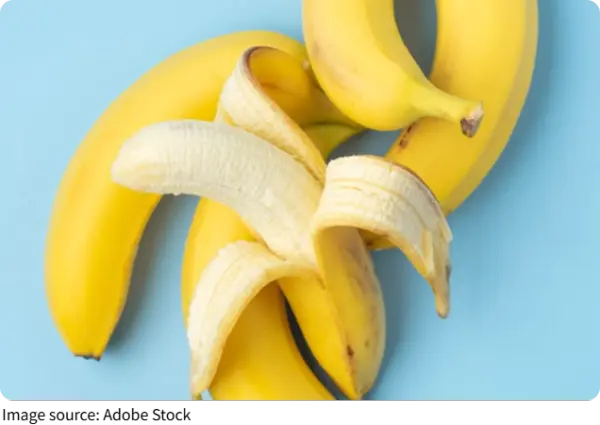
In the end, those brown spots are usually just a gentle signal that your banana is sweet, soft, and well ripened. So next time you see a speckled peel, do not rush to toss it aside. It may be just right for a quick snack or a lovely recipe, and that little change in color is often part of what makes the fruit so enjoyable.