Purple Foods Explained

Mei
| 04-08-2026
 · Cate team
Hi, Readers! Purple fruits and vegetables have been getting a lot more attention lately, and it is easy to see why.
They brighten up a plate right away, but their appeal goes far beyond color. Many of these foods are packed with anthocyanins, which are natural plant compounds that give them their deep purple, blue, or red shades.
Along with that, they often provide vitamins, minerals, fiber, and other helpful plant nutrients that support overall well-being. From berries to root vegetables, this group offers both eye-catching color and real nutrition.
According to the World Health Organization (WHO), eating at least 400 g of fruits and vegetables each day can help reduce the risk of noncommunicable diseases and supports overall health.
What gives them their color
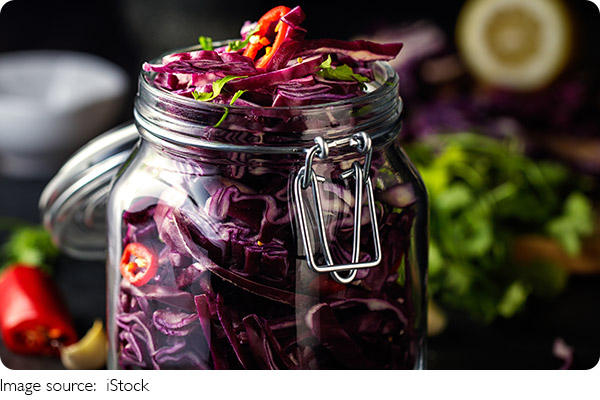
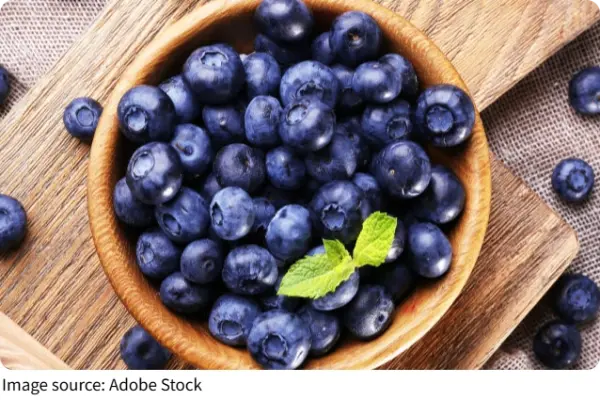
The rich shades in purple produce mainly come from anthocyanins. These are antioxidant compounds found in many plant foods. Different amounts and types of anthocyanins can create colors ranging from soft violet to deep blue-purple. Foods such as blackberries, blueberries, purple grapes, eggplant, purple cauliflower, purple sweet potatoes, and purple cabbage all owe much of their color to these compounds. Beyond appearance, anthocyanins have been studied for their role in supporting health by helping the body handle oxidative stress.
Why people are drawn to them
Part of the growing popularity is simple: purple foods look special. They make salads, grain bowls, side dishes, and fruit plates feel more interesting and inviting. But people are also choosing them because they want foods that do more than just fill them up. Purple produce is often linked with antioxidant and anti-inflammatory benefits, and many people enjoy the idea of adding a wider range of plant colors to their meals. Eating a variety of colors can help bring in a broader mix of nutrients, so purple choices fit naturally into that goal.
Popular purple choices
Some of the best-known purple fruits include blackberries, blueberries, acai berries, elderberries, concord grapes, passion fruit, plums, prunes, raisins, figs, and purple star apples. On the vegetable side, there are eggplants, purple cabbage, purple cauliflower, purple carrots, purple sweet potatoes, purple asparagus, and certain purple corn varieties. Each option brings its own texture and nutrient profile. For example, berries are often rich in fiber and vitamin C, while purple sweet potatoes can provide fiber and important vitamins and minerals.
Nutrition beyond the color
These foods are not valuable only because they contain anthocyanins. Many also deliver vitamin C, vitamin A, potassium, manganese, and fiber. Purple cabbage, for instance, can be a crisp and nutrient-dense addition to meals. Eggplant offers fiber and works well in many savory dishes. Blueberries are well known for their antioxidant content, and purple cauliflower can provide many of the same nutrients as other cauliflower types while adding a beautiful visual twist. In other words, their popularity is not just a trend built on appearance. There is substance behind the color.
Easy ways to eat more of them
It does not take much effort to bring more purple produce into everyday meals. Add blueberries or blackberries to oatmeal or yogurt, toss purple cabbage into salads or slaws, roast purple sweet potatoes as a side dish, or use eggplant in a hearty main course. Purple grapes make an easy snack, and purple cauliflower can be roasted, steamed, or added to mixed vegetable dishes. Even a small change, like swapping in purple carrots or cabbage, can make meals feel fresher and more varied.
Purple fruits and vegetables are becoming more popular because they combine striking color, enjoyable flavor, and strong nutritional value in one package. They help make meals more lively while also contributing useful plant compounds, fiber, vitamins, and minerals. If you have not explored many purple foods yet, this might be a lovely time to add a few to your table and see which ones become your favorites.