Apple Taste Guide

Caroll Alvarado
| 29-07-2026
 · Cate team
Hi, Readers! Apples can seem so familiar that it is easy to forget how different one variety can feel from the next.
Some are crisp and bright, some are tender and mellow, and some bring a lovely balance of sweet and tangy notes that changes how they taste fresh, baked, or pressed into juice. If you have ever stood in front of a produce display wondering why one apple feels perfect for a fresh snack while another turns soft and rich in the oven, the answer comes down to variety.
Apples differ in sweetness, acidity, texture, aroma, skin feel, and how well they hold their shape.
According to the U.S. Department of Agriculture (USDA), apples are available in many varieties, each with its own unique flavor, texture, and appearance.
Why Apples Taste Different
Apple varieties come from the same fruit family, but each one has its own mix of sugars, acids, and aromatic compounds. That combination shapes the overall eating experience. Higher sugar levels tend to create a sweeter taste, while stronger acidity gives an apple a brisk, lively edge. Texture matters just as much. Some apples are very crisp and firm, giving a sharp snap when bitten, while others are softer, finer-grained, or more tender. Skin thickness also changes the feel in the mouth. A thin-skinned apple can seem delicate and easy to eat, while a thicker skin may feel heartier and a little more rustic.
Sweet, Tart, and Balanced Types
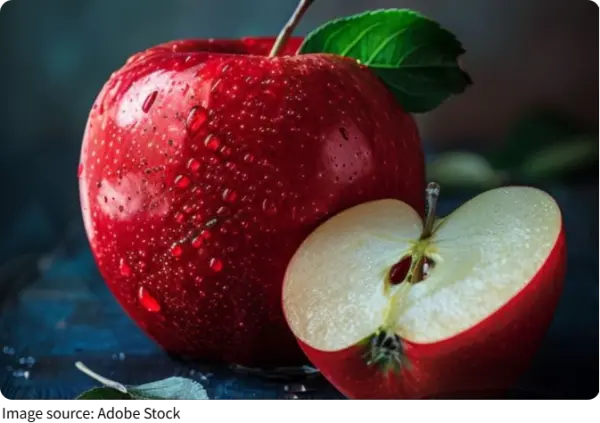
One of the easiest ways to understand apple varieties is by flavor balance. Sweet apples usually have lower acidity, so their taste feels round, mellow, and gentle. These are often popular for easy snacking. Tart apples carry more acidity and can feel refreshing and bright, sometimes with a sharper finish. Balanced apples sit in the middle, bringing both sweetness and tanginess together. That balance often makes them especially versatile because they work well fresh and in cooking. Even within these groups, flavor can vary from honeyed and floral to spicy, rich, or lightly citrus-like.
How Texture Changes the Experience
Texture is often what people notice first. Crisp apples feel juicy and refreshing, and they tend to be favored for eating fresh. Firm flesh can also help slices hold up better in salads or lunch boxes. Softer apples may feel smoother and less crunchy, which some people prefer for a more gentle bite. In cooking, texture becomes even more important. Certain varieties keep their shape during baking, making them useful for pies and tarts, while others break down more easily and are better for sauce or puree. So when people say one apple is better than another, they are often really talking about texture as much as flavor.
Color Does Not Tell the Whole Story
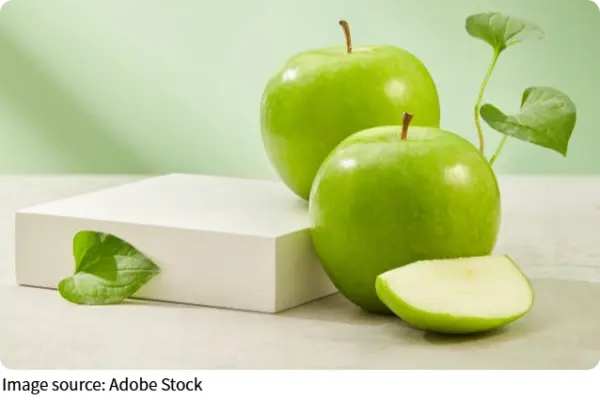
It is tempting to judge taste by color, but skin color alone does not reliably predict flavor. Red, green, and yellow apples can each be sweet, tart, crisp, or tender depending on the variety. Green apples are often associated with a sharper taste, yet not every green apple tastes the same. Red apples can range from very sweet to pleasantly balanced. Yellow or golden apples may seem mellow and fragrant, but their texture can still vary a great deal. Variety matters more than appearance, so the best guide is the name of the apple and how it is known for flavor and texture.
Fresh Eating and Cooking Differences
Not every apple suits every purpose. Apples prized for fresh eating are often juicy, aromatic, and crisp. They deliver immediate flavor and a satisfying bite. Cooking apples are often valued for how they behave with heat. Some keep a neat shape, while others soften into a smooth texture that works beautifully for sauce and fillings. Apples for juice or cider are often chosen for a particular balance of sweetness, acidity, and aroma. This is why two apples that seem similar at first can produce very different results in the kitchen.
What to Notice When Choosing One
If you want to better understand apple varieties, try paying attention to a few simple details: how firm the flesh feels, how juicy the first bite is, whether the taste leans sweet or tangy, and how long the flavor lingers. Notice the skin too, since it can be thin and delicate or firmer and more noticeable. If you are using apples for cooking, think about whether you want slices to stay whole or soften down. These little observations make it much easier to choose the right apple for your own taste and for the dish you plan to make.
Apples may look simple, but their variety is what makes them so interesting. A crisp, tangy apple and a mellow, sweet one can create completely different experiences, even though both are apples at heart. Next time you choose a few, try comparing them side by side and see which texture and flavor combination feels most comforting and enjoyable to you.